When protecting your bumper from scratches, dents, and scuffs, a robust bumper protector is a smart upgrade. This guide highlights five practical options ideal for common American cars, SUVs, and trucks. Each pick targets different needs—universal fit, easy installation, or enhanced edge protection—so you can choose according to your vehicle type and lifestyle. Whether you park near tight spaces, haul cargo, or worry about door dings, these protectors help reduce damage and maintain resale value.
Summary table of selected products:
- Product: SINGARO Car Rear Bumper Protector — Best for universal protection with easy, no-drill install
- Product: MYFAMIREA Anti-Scratch Adhesive Strip — Best for invisible, low-profile edge protection
- Product: Moteloor Soft & Bendable Rear Bumper Guard — Best for flexible, trim-to-fit trunk sill protection
- Product: BokWin 4-Packs Black Bumper Guards — Best value multi-pack for versatile coverage
- Product: carleef 2-Pack Rubber Rear Bumper Guard — Best for high elasticity and broad impact absorption
SINGARO Car Rear Bumper Protector
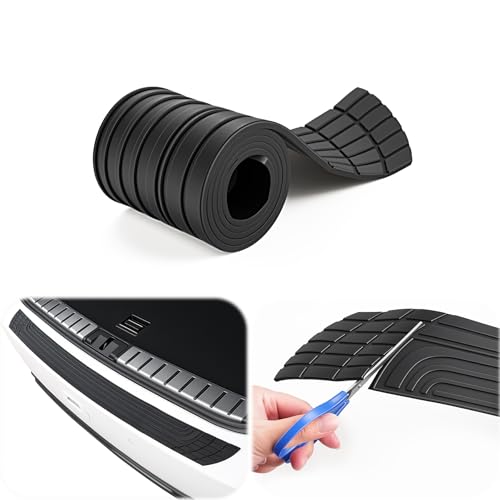
Material and design: High-quality soft, environmentally friendly material that is durable, scratch-resistant, and flexible. It helps absorb external impact while maintaining toughness. Best for owners seeking a universal, non-permanent bumper shield that won’t mar paint.
Why choose this: Anti-scratch and abrasion-resistant features make it suitable for daily commuters and light cargo users who want simple, heat- and wear-resistant protection. The groove anti-skid design helps items stay put in the trunk area.
Best for: Value-oriented buyers who want broad compatibility and painless installation. Caution: Ensure proper cleaning before applying to guarantee adhesion and avoid folding during heavy loads.
MYFAMIREA Anti-Scratch Adhesive Strip

Material and features: PVC construction with strong adhesion and minimal residue on removal. Designed to be cut to length for a seamless, transparent edge protection solution that won’t damage the paint upon removal.
Why choose this: Ideal for drivers seeking an invisible, trim-to-fit strip that protects door edges and rear bumper without altering appearance. The tape’s durability supports everyday door slams and minor collisions.
Best for: People who want a discreet, flexible guard that they can tailor to fit curved or irregular edge profiles. Caution: Check temperature guidelines; very cold conditions may affect adhesive performance.
Moteloor Soft & Bendable Rear Bumper Guard

Material and design: Carbon fiber leather look, soft and bendable, designed for a universal fit. Trim-to-fit guidance helps users adapt to diverse trunk sill contours without stretching the material.
Why choose this: Best for buyers who want a flexible, non-stretch guard that can wrap curved bumper edges and still look premium. It also covers existing scratches to refresh the trunk’s appearance.
Best for: SUV and truck owners who prefer a universal, adjustable solution. Caution: Do not stretch the material; trim the ends to fit the widest flat area for a clean finish.
BokWin 4-Packs Black Anti-Collision Patch

Material and features: Four-piece set of universal bumper guards designed to protect edges from scratches and abrasion. Easy installation with adhesive backing; suitable for a variety of car shapes.
Why choose this: Best for households with multiple vehicles or frequent cargo transfers where bumpers face repeated risk. The multi-pack ensures parts are available for various bumpers and trims.
Best for: Budget-conscious buyers seeking broad coverage and quick, tool-free installation. Caution: Ensure a clean surface before applying to maximize adhesive strength and longevity.
carleef 2-Pack Rubber Rear Bumper Guard

Features: High elasticity PVC with good weather and abrasion resistance. Easy to install with strong adhesive backing and the option to cut to length. Provides broader influence beyond the bumper to door edges and roof areas in some setups.
Why choose this: Good for drivers seeking a forgiving, elastic guard that reduces impact on multiple vulnerable edges and is simple to install. Caution: Measure bumper width and contours accurately to avoid misfit or overhang.
Buying Guide
What to consider when selecting a bumper protector
- Fit and coverage: Decide between universal guards that fit most vehicles or model-specific strips. Measure bumper width and edge curvature for best results.
- Material and durability: Look for abrasion resistance, weather tolerance, and ease of cleaning. PVC and carbon-fiber looks offer good flexibility and strength.
- Installation: Choose products with simple, drill-free adhesion if you want tool-free installation. Consider temperature sensitivity of adhesives for your climate.
- Aesthetics: If you want a discreet look, prefer transparent or black trims with minimal texturing. For more noticeable protection, choose textured or edge-protective designs.
- Maintenance: Some protectors double as scratch concealment; others focus on preventing new damage. Check for scratch-resistance and potential residue on removal.
- Durability vs. flexibility: Bendable guards adapt to curved surfaces but may require trimming and careful fitting. Hard, non-stretch guards hold shape but might not fit all contours.
Frequently Asked Questions
- What is the main purpose of a bumper protector?
Answer: To reduce scratches, scuffs, and minor impacts to the bumper and adjacent edges, preserving paint and resale value. - Can I install bumper guards without tools?
Answer: Many models use adhesive backing and require no tools; follow surface cleaning and temperature guidelines for best adhesion. - Will these guards fit all cars?
Answer: Universal guards fit most vehicles, but always measure and check compatibility with your bumper’s width and curvature. - Do bumper protectors affect car aesthetics?
Answer: Some designs are discreet, while others are more noticeable. Transparent or low-profile options minimize visibility. - How long do adhesive-backed guards last?
Answer: Longevity depends on surface cleanliness, climate, and exposure; follow manufacturer directions for best results and replacement timing. - Should I remove protectors for repainting?
Answer: Yes; remove carefully to avoid paint damage, and clean surfaces before repainting.