Answering the common search: you need a paint that can withstand high heat, bond well to automotive plastic, and resist oil and chemicals. This guide highlights top options for plastic engine covers, detailing who each product is best for and why. Consider different finishes—from gloss to wrinkle—to match your aesthetic and durability needs. The featured picks cover a range of colors, temperatures, and application styles to help you choose the right paint for your engine bay.
| Product | Best For |
|---|---|
| VHT High Temperature Plastic Paint | All-around durable plastic coverage, standard black or color choices |
| VHT High Temperature Plastic Paint – Red Automotive Spray Paint | Accent color updates with high-heat resistance |
| Rust-Oleum Engine Enamel Spray Paint, Gloss Black | Engine blocks and components exposed to heat up to 600°F |
| Rust-Oleum 249340 Automotive 12-Ounce High Heat Primer Spray Paint | Base coat for metal and engine components with rust prevention |
| VHT SP201 High Temperature Wrinkle Plus Paint – Black | Textured, stylish finish with strong heat resistance |
VHT High Temperature Plastic Paint

Best for: DIYers seeking a straightforward, durable plastic paint that sticks directly to automotive plastics without sanding or adhesion promoters. Works well for engine covers subject to oil and heat up to 200 °F (93 °C).
Why selected: This paint is formulated specifically for plastic surfaces and avoids flaking, peeling, or chipping. It dries to the touch in 30 minutes and handles hands-on tasks within an hour. No heat-cycle curing is required.
What to know: It’s important to apply in a well-ventilated area. While suitable for engine covers, verify color match with your vehicle’s styling goals before committing to a large area.
VHT High Temperature Plastic Paint – Red Automotive Spray Paint

Best for: Accent color updates on hot areas where a red highlight improves visibility or styling. Suitable for plastic engine covers with heat exposure up to 200 °F (93 °C).
Why selected: The formula adheres directly to automotive plastics without sanding or adhesion promoters, resisting oil and fluids. It dries quickly and provides a durable finish with minimal setup time.
Caution: Red shades can show dust and oil films more readily; frequent cleaning may be needed to maintain a showroom look.
Rust-Oleum Engine Enamel Spray Paint, Gloss Black

Best for: Heavy-use engine parts subject to intermittent temperatures up to 600°F. Gloss black offers a classic, high-contrast engine look.
Why selected: This enamel is designed to resist oil and environmental exposure, making it well-suited for engine bays. It provides durable coverage and a professional finish when properly applied.
Limitation: Expect longer cure times depending on humidity and temperature; ensure full curing per label directions for best adhesion.
Rust-Oleum 249340 High Heat Primer Spray Paint, Gray
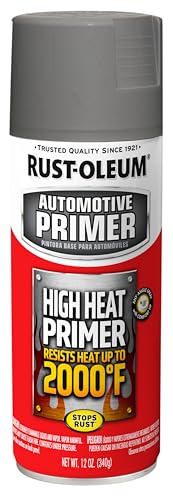
Best for: Surfaces that require a rust-resistant base on metal components and engines. Serves as a solid foundation for topcoats that demand extra durability.
Why selected: The Stops Rust formula helps provide a rust-resistant base coat on engines and metal parts. It covers up to 12 sq ft and dries to the touch in about 30 minutes.
Note: This is a primer, so it should be paired with a compatible topcoat as part of a multi-step finish for best results.
VHT DUPSP756 11 oz Hot Pink High Temperature Engine Enamel Aerosol

Best for: Creative engines and show cars where a bold color choice and high heat resistance are desired.
Why selected: This enamel offers superior resistance to heat and chemicals, with a recommended primer and clear coat process for best results. It handles temperatures up to 500 °F when cured properly.
Caution: Color consistency can vary with primer use and clear coat compatibility; plan accordingly for a cohesive finish.
Buying Guide: Key Considerations for Plastic Engine Cover Paint
- Heat resistance: Match the expected engine bay temperatures with the paint’s rated range. Most automotive plastics perform well up to 200 °F for plastics-focused paints and higher for enamel primers.
- Adhesion on plastic: Look for formulations specifically designed to bond to automotive plastics without sanding or adhesion promoters when possible.
- Finish style: Choose between glossy, satin, or wrinkle textures. Wrinkle finishes add texture and gear-like aesthetics but may require more preparation.
- Primer compatibility: If painting metal parts or heavily corroded areas, a dedicated primer (like Rust-Oleum high heat primer) improves adhesion and rust resistance.
- Color and maintenance: Lighter colors can show oil residues more easily, while darker colors may retain heat visually. Consider future maintenance and cleaning needs.
- Application environment: Use sprays in a well-ventilated area with stable temperatures to achieve even coverage and curing.
- Topcoat options: Some finishes benefit from a clear coat for UV and chemical resistance, especially on engine bays exposed to harsh elements.
Frequently Asked Questions
- Can I paint a plastic engine cover without removing it from the car?
Yes, many automotive plastics accept direct-apply paints, but masking surrounding areas and working in a ventilated space improves results. - What is the best finish for engine covers?
Gloss finishes give a classic look and are easy to wipe clean; wrinkle textures offer a unique style but require careful surface preparation. - How long should paint cure before starting the engine?
Follow label instructions; many paints are dry to the touch within 30 minutes but full curing may take hours to days depending on product and temperature. - Do I need a primer for plastic engine covers?
Some products claim direct adhesion to plastic, but using a plastic-specific primer can improve long-term durability on certain plastics. - Will high-heat spray paints withstand engine heat cycles?
Most automotive plastics tolerate up to 200 °F (93 °C); higher heat ratings apply to metal areas or specialized primers and topcoats. - Is clear coating recommended?
A clear topcoat can enhance protection against UV and chemicals, particularly for exposed engine bays and darker colors.