RC two-stroke engines deliver strong power in compact packages, ideal for hobbyists seeking high-revving performance in 1/5-scale cars, boats, and planes. This guide highlights five reliable options, who they’re best for, and practical buying considerations. The top picks cover land and water applications, from entry-level builds to more demanding setups. Each product section explains why it’s a strong choice and where to be cautious.
Summary table of chosen products:
| Product | Brand | Best For | Notes |
|---|---|---|---|
| 32CC 2-Stroke Gasoline Engine (Small, High Power) | Futchoy | Small 1/5-scale cars, Baja-style builds | High power in compact size; easy starting |
| 29cc 1/5 Scale 2-Stroke RC Engine | NOBE | Entry-level 1/5 scale RCs | Carburetor not included; cost-effective |
| Gas Engine 32cc/36cc 4-Bolt Rovan | TANAUT | High-power 1/5-scale Baja/GT machines | Professional-grade with high-octane fuel approach |
| 32CC Air-Cooled 4-Bolt 2-Stroke Engine | YIYIBYUS | Durable Baja/BB buggy setups | Compact, easy starts, robust cooling |
| FLMLF 29cc 2-Stroke Rc Boat Marine Motor | FLMLF | RC racing boats | Marine-focused design for speed and durability |
Futchoy 32CC 2-Stroke Gasoline Engine

Best for: Small, high-power 1/5-scale Baja-style builds and compact RC cars. This engine is designed to be air-cooled with a four-bolt head, offering stability and a smoother idle, aiding reliable starts and longer engine life.
Why selected: Its small footprint combined with notable power makes it suitable for tight chassis spaces where space is premium but performance remains essential. The engine is marketed for stability and longevity, which benefits ongoing RC racing sessions.
Considerations: This engine is designed for enthusiasts who can manage a two-stroke setup and routine maintenance. It may require pairing with appropriate carburetion and fuel systems for optimal performance.
NOBE 29cc 1/5 Scale 2-Stroke RC Engine

Best for: Entry-level 1/5 RC gasoline 2-stroke builds. The model is described as simple in configuration and designed to be compatible with common Baja/HPI/Redcat platforms, though installation requires user-supplied carburetor, air filter, and exhaust.
Why selected: It represents an affordable entry path for hobbyists wanting to transition from electric to gasoline power, with a clear upgrade path when adding the carburetor and other essential components.
Limitations: As a kit-like option, it requires assembly and fuel-system components beyond the listed data, so beginners should be prepared for extra setup steps and tuning.
TANAUT 32/36cc 4-Bolt Rovan Engine

Best for: High-power 1/5 Baja and related platforms that demand strong performance with a compact footprint. This professional-grade engine targets serious RC builders who have hands-on experience and knowledge to tune and operate high-performance machines.
Why selected: It emphasizes compact size with high power and stable quality, using a fuel mix strategy designed for robust operation. The engine is positioned for experienced hobbyists seeking dependable power delivery.
Caution: Requires sufficient expertise to install and operate correctly; improper setup can impact performance and engine life.
YIYIBYUS 32CC Air-Cooled 4-Bolt 2-Stroke
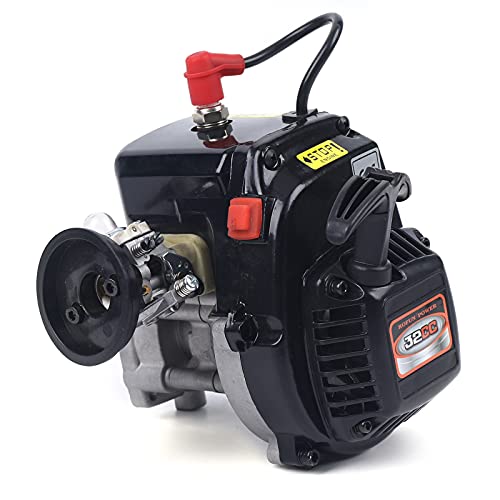
Best for: Durable Baja and buggy builds that require reliable starts and steady power in a compact form. The 32CC air-cooled design supports efficient cooling for prolonged sessions.
Why selected: It combines a compact size with a four-bolt head and a two-stroke layout, offering a balance of power, portability, and cooling efficiency. It’s suitable for models where heat management is a concern.
Limitation: As with other small-displacement engines, peak performance depends on correct fuel ratio, carburetion, and proper run-in procedures.
FLMLF 29cc Rc Boat Marine Motor

Best for: RC racing boats requiring a robust two-stroke powerplant with a marine-specific design. The engine is described as 29cc and 4-bolt, optimized for speed and durability on the water.
Why selected: Marine engines face unique stresses; this option emphasizes a tailored configuration for racing boats and includes guidance on fuel ratios for initial and sustained operation.
Consideration: Marine use often demands careful water-proofing and vibration management; ensure compatible mounts and cooling provisions for your boat hull.
Buying Guide: Key Considerations For RC Two-Stroke Engines
- Application fit: Choose engines with proven compatibility for your platform (land vs. water). For Baja-style projects, compact land engines with strong throttle response are ideal. For racing boats, marine-specific designs offer better reliability in water.
- Power-to-size ratio: Evaluate displacement (cc) relative to chassis size. Smaller engines can save weight but may require higher revs; larger ones deliver more torque but need ample space and cooling.
- Ease of setup: Some engines require carburetors, air filters, and exhaust systems to reach peak performance. Entry-level builds may need more components and tuning time.
- Starter and maintenance: Recoil start and routine break-in procedures influence reliability. Plan for regular maintenance, including air cleaning and fuel mixture checks.
- Fuel and lubrication: Two-stroke engines rely on specific fuel-to-oil ratios. Follow manufacturer guidelines for initial run-in and ongoing operation to maximize life and performance.
- Cooling strategy: Air-cooled designs benefit from good airflow; ensure heat management is feasible within your model’s design constraints.
- Durability and materials: Look for engines with robust construction and stable head configurations (like four-bolt heads) for improved endurance in high-RPM racing conditions.
Practical Comparison Tips
- Best for power in tight spaces: 32cc-class engines with compact footprints (like Futchoy or YIYIBYUS).
- Better for beginners: Entry-level 29cc configurations that can be paired with user-supplied carburetors and components (as with NOBE).
- Choose this if you race boats: Marine-focused designs (FLMLF) with run-in and fuel guidance tailored for water operations.
- Avoid this if you lack hands-on experience: Very high-performance engines may require advanced tuning and mechanical skill (as noted for TANAUT).
FAQ
- What is the typical fuel mix for two-stroke RC engines?
Most two-stroke RC engines use a mixed fuel oil ratio such as 20:1 or 25:1, but always follow the manufacturer’s recommended ratio for initial run-in and ongoing operation.
- Do all two-stroke engines require a carburetor?
Some models come as a kit that requires you to install a carburetor and air filter; others include integrated carburetors. Check product notes for specifics.
- Which engine is best for a 1/5-scale Baja build?
Engines described as compact with high power and stability, such as 32cc-class units, are typically well-suited for Baja-style 1/5-scale vehicles.
- Are air-cooled engines sufficient for long RC sessions?
Air cooling is common and effective, but ensure adequate ventilation and clean air flow around the engine to prevent overheating during extended use.
- Is a marine engine different from a land engine?
Yes. Marine engines are designed to withstand water exposure and often have different mounting and cooling considerations to suit hull installations.
- What maintenance steps are essential before first use?
Idle the engine for a safe period, perform run-in at low to medium speeds, and ensure all components such as the hand pull, cylinder head, and air filter are clean and correctly installed.