Looking for a fuel filler hose adapter that fits your vehicle and delivers a secure, leak-free connection? This guide highlights five capable options, clarifying who each product is best for and why. Whether you own a classic truck, a modern sedan, or a diesel-heavy work vehicle, you’ll find adapters that improve compatibility and reduce fuel transfer hassles. The summary table below helps compare core specs at a glance.
| Product | Best For | Key Benefit |
|---|---|---|
| APDTY 161801 | Universal fits with straight reducer | Clear size reduction from 2 in to 1.5 in |
| Gates 23964 | Gasoline and ethanol blends | Durable nitrile tube, easy to cut |
| BrJJrYRu 2″ ID Hose | Longer reach between tank and filler | Triple-layer reinforced for durability |
| SCITOO Ford/Lobo hoses | Specific Ford/Lincoln fits | OE-part reference alignment |
| NexaNova 1.5″ ID | Older pickups and mixed fuel types | Nitrile with nylon reinforcement |
APDTY 161801 Fuel Tank Filler Neck Hose—Universal Fit

The APDTY model serves as a universal straight reducer, connecting a larger filler neck to a smaller intake. Best for buyers who need a straightforward, no-fruss solution to join differing hose diameters. The hose uses NBR/PVC materials and provides a compact length of about 8.19 inches, making it suitable for tight engine bays and compact vehicles. A potential limitation is that universal parts may require precise measurement before installation to ensure a secure seal.
Gates 23964 Flexible Fuel Filler Neck Hose

The Gates hose is designed for gasoline and ethanol blends, including various diesel blends up to B20 per EPA guidelines. It features a high-quality nitrile tube and is easily cut to fit. This makes it ideal for vehicles that operate on modern gasoline formulations or flexible fuel mixtures. Best for buyers who need a robust, cut-to-size solution for mixed-fuel environments. A potential limitation is that compatibility with some non-standard filler necks may require trimming and careful sealing.
BrJJrYRu 2″ ID Fuel Filler Neck Hose
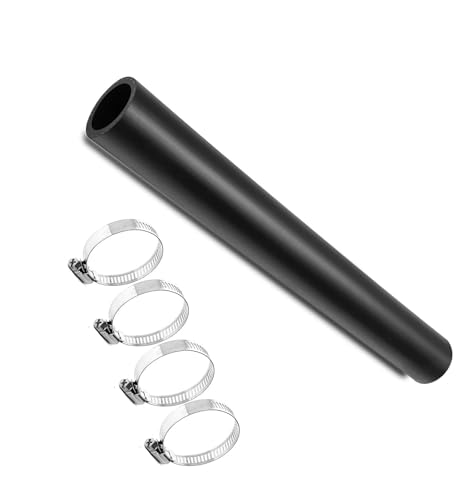
This 2-inch ID hose offers a long straight configuration (15 7/8 inches) and durability through a triple-layer reinforced design with nylon-reinforced lining and premium nitrile rubber. It is well-suited for extending the distance between a fuel tank and the filler cap on larger vehicles. Choose this if you need a longer, sturdier connection. A caution is to verify existing component measurements, as mismatches can hinder installation and sealing effectiveness.
SCITOO 1997-2003 Ford/F-150 Fuel Filler Hose
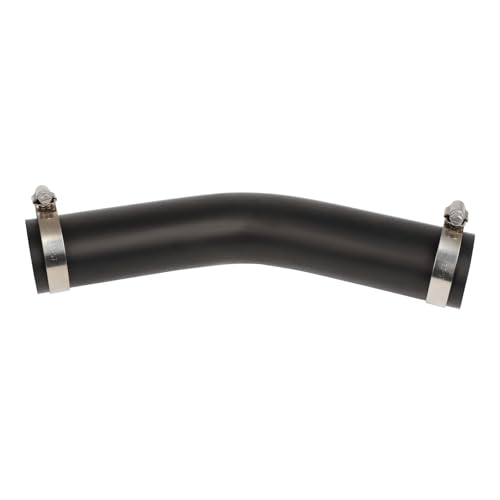
The SCITOO hose targets Ford F-150 and related models from 1997 to 2003, with compatibility extended to Lincoln Blackwood. It references OE part number 573-011, providing a more precise fit for enthusiasts doing classic-model restoration or maintenance. Best for buyers seeking a direct OE-style replacement. A limitation is that it is model-specific, so verify your vehicle year and trim before purchasing.
NexaNova 1-1/2″ ID Fuel Filler Neck Hose

The NexaNova hose provides a 1.5-inch inner diameter with a 7.8-inch length, suitable for older pickups and a range of gasoline, diesel, and engine oil transfers. It uses nitrile rubber reinforced with nylon to resist oil exposure and maintain structural integrity under pressure. Best for buyers working with mid-size pickups and mixed-fuel use. Note that it should not be used with E10/E85/methanol blends, per its stated limitations.
Buying Guide: How to Choose the Right Fuel Filler Hose Adapter
- Consider diameter compatibility: Ensure the adapter’s inner diameter matches the fuel filler neck and the hose it must connect to avoid leaks.
- Assess material suitability: Nitrile-based hoses resist gasoline and ethanol blends, while NBR/PVC blends suit general fuel transfer; check environmental temperature ratings for your climate.
- Check length requirements: Shorter hoses save space; longer hoses provide reach for larger vehicles or unusual routing. Measure the distance between the tank and the filler neck before buying.
- Evaluate reinforcement and durability: Nylon reinforcements and triple-layer designs improve oil resistance and burst resistance under pressure.
- Look for OE compatibility when possible: For classic models or specific trims, an OE-part reference reduces the risk of fitment issues.
- Beware compatibility limits: Some hoses are not suitable for E10/E85 or methanol blends; ensure your fuel type aligns with the product’s specification.
- Installation considerations: Many hoses are easy to cut to size, but you may need clamps or adapters to secure a proper seal; verify included hardware or plan to purchase separately.
Frequently Asked Questions
- What is a fuel filler hose adapter? A connector that links the fuel filler neck to the hose leading to the tank, often changing diameter or accommodating different fittings.
- How do I know which ID size to buy? Measure the inner diameter of your filler neck and the hose you plan to connect; buy an adapter that matches or slightly oversizes for a secure fit.
- Are these hoses universal? Some are marketed as universal fits, but always confirm vehicle-specific measurements to avoid leaks or poor seals.
- Can I use these on diesel or biodiesel blends? Some hoses are rated for diesel and biodiesel blends; check the product features for fuel compatibility and temperature limits.
- Do I need clamps? Most hoses require clamps to seal properly, especially when connecting to metal necks; ensure you have appropriate clamps for your installation.
- Are OE-parts better than aftermarket? OE-compatible hoses reduce fitment risk on specific models; aftermarket options can offer broader compatibility but may require trimming or adaptation.