If you need reliable warmth for engines, tanks, or vehicles in cold conditions, an external tank engine heater can be a practical solution. This guide highlights five top options, explains who they’re best for, and compares key features to help you choose. Ideal buyers range from truck owners and RV enthusiasts to outdoor workers and boaters who require dependable preheating or space heating without running the engine.
| Product | |||
|---|---|---|---|
| All States Kat’s External Tank Engine Heater | Thermostatically Controlled 2000W | Vehicles and equipment needing precise heat control | Wide temperature range (135–175°F) and corrosion-resistant build |
| ULTRA HEAT AM1200 Tank Heater | Tank Heater for RV Holding Tanks | Heavy-use RVs and large tanks | Low DC draw (13.5 VDC, 9.9A) with large capacity |
| Dura Heat TT-15CSA Tank Top Heater | Propane Tank Top Heater | Outdoor job sites and temporary heating needs | High BTU output up to 15,000 and no electricity required |
| Engine Block Heater Pad (RICHOOSE) | Silicone Heating Pad, 120V 150W | Winter engine pre-heating for cars and trucks | Easy surface mounting with thermostat safety cut-off |
| Propane Tank Heater Blanket (DECOHS) | Thermostatic Tank Heater Wrap | Tanks of LP cylinders for steady warmth | Thermostatic control for even heat and secure wrap |
All States Kat’s External Tank Engine Heater Thermostatically Controlled 2000 Watt
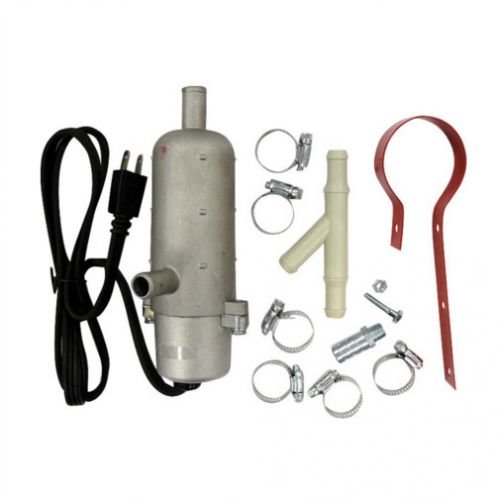
Best for precise temperature control in equipment that requires steady preheating. This model offers thermostatic control from 135 to 175 degrees Fahrenheit, making it suitable for engines or tanks that benefit from consistent heat. The die-cast aluminum housing resists corrosion, extending life in challenging environments. It runs on standard 120V power and draws up to 16.6 amps, which is important for electrical planning. Avoid using in spaces with inadequate circuit capacity, as high wattage can trip breakers if not accounted for.
ULTRA HEAT AM1200 Tank Heater

Best for large RV holding tanks and heavy-use setups. The AM1200 is designed to protect up to a 55-gallon tank (208 liters) with a modest DC draw of 9.9 amps at 13.5V, which helps manage electrical load on mobile systems. Its size (12″ x 20″) supports substantial tank heating. A potential limitation is compatibility with non-standard tanks; verify dimensions and power source for your system before purchase.
OBAKL Diesel Heater 5KW With Talking LCD Controller

Better for large cabins and vehicles needing fast, powerful heat in cold conditions. This heater offers 5KW of heating power and a detailed LCD controller, including a talking function for guided use. It operates on 12V DC and uses diesel as fuel, making it a robust choice for trucks, campers, or boats that require quick warm-up. Consider the complexity and installation requirements, as mounting and fuel connections may demand professional setup. It may be overkill for smaller spaces.
Dura Heat TT-15CSA Tank Top Heater
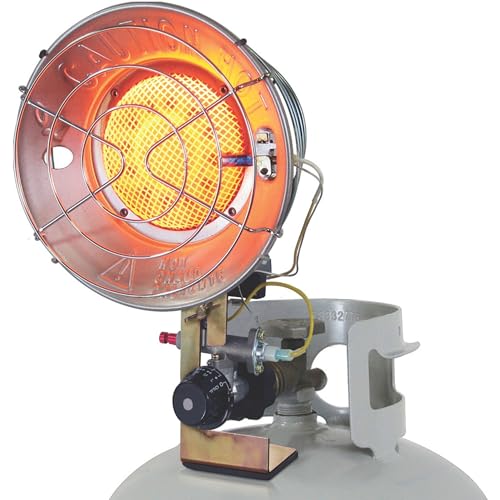
Best for portability and outdoor use, this propane tank top heater provides instant infrared warmth and operates without electricity. With three heat settings, it’s suitable for heating small outdoor work areas and job sites up to approximately 300 square feet. The lack of electrical power can be a limitation in enclosed spaces or where precise temperature control is needed; ensure adequate ventilation and compliance with safety guidelines when used outdoors.
Engine Block Heater Pad (RICHOOSE)

Best for targeted engine pre-heating on cars, trucks, and RVs. This 120V, 150W silicone pad attaches directly to the engine block or oil pan and includes a built-in thermostat that cuts power at 302°F (150°C) to prevent overheating. The adhesive backing makes installation simple on metal surfaces. A limitation is that it’s a surface heater and relies on contact with the engine block; ensure proper placement for effective warming and avoid areas with poor contact.
Srliya Air Parking Heater Fuel Tank With 8L Tank

Best for Webasto and Eberspacher-compatible parking heaters, providing a replacement stainless steel fuel storage option. The 8-liter tank is designed to endure high temperatures and wear with a polished finish for aesthetics. It’s a component rather than a complete heating unit, so choose this if you’re upgrading an integrated system and need a reliable external fuel reservoir.
Buying Guide: Key Considerations For External Tank Engine Heaters
What space will you heat? Consider the size of the area and the heater’s BTU rating or wattage. Larger spaces require higher output or multiple units. For outdoor or open-area use, propane or diesel options can be practical, while 120V electric heaters are better for enclosed spaces with solid electrical capacity.
What is your power source? Electric models demand a compatible power supply. DC-powered units, such as RV-ready heaters, should be evaluated against the vehicle’s battery and charging system. Diesel and propane heaters provide off-grid warmth but may require ventilation and fuel access.
How precise should the temperature be? Thermostatically controlled units help prevent overheating and reduce energy waste. If you need consistent warmth for engines to prevent oil thickening, a thermostatic option is advantageous.
What are installation requirements? Surface-mounted pads and tank-top heaters are easier to install, while complex diesel units may demand professional installation. Check for mounting compatibility, fuel connections, and safe clearances around hot surfaces.
Is safety a priority? Look for automatic shut-off features, corrosion-resistant housings, and thermal protection. For propane and tank heaters, ensure proper ventilation and adherence to manufacturer guidelines to minimize risk.
How portable should it be? If you need temporary heat for job sites, outdoor events, or travel, consider portable options with adjustable heat settings and simple mounting or wrapping solutions.
FAQ
- What is the main difference between electric and fuel-based external tank heaters?
- Can an external tank heater be used on any vehicle?
- Do thermostats prevent overheating?
- Is SD or DC power needed for these units?
- Are these heaters safe to use indoors?
- What maintenance do external heaters need?
Electric heaters run on AC power and are suitable for enclosed spaces with adequate power. Fuel-based heaters (propane or diesel) offer off-grid heating and higher BTU output for larger or outdoor areas, but require ventilation and fuel access.
Most are designed for specific applications such as RVs, trucks, or engines with compatible connections. Always verify the unit’s suitability for your vehicle’s size, fuel type, and electrical system.
Yes. Thermostatic controls monitor temperature and automatically cut power when the target is reached, improving safety and energy efficiency.
Electric heaters typically require AC power, while some units are DC-powered for use with vehicle electrical systems. Confirm your power source before purchase.
Most external tank heaters are intended for outdoor or well-ventilated spaces. Fuel-based units require ventilation to avoid buildup of fumes, and electric models should be used in compliant, ventilated areas if heat is used near combustibles.
Regular inspection for corrosion, loose connections, and cleaning of vents or heating surfaces helps extend life. Replace worn gaskets or seals as needed and follow the manufacturer’s service guidelines.