Power steering belt quality matters for smooth driving and reliable steering assist. This guide highlights top belts that fit common cars and trucks, helping buyers pick the right option for durability, fit, and performance. The selections below target typical owners: drivers seeking reliable OEM-like performance, DIY enthusiasts replacing aging belts, and anyone upgrading for quieter operation and longer life.
| Product | Vehicle Fit | Length / Size | Material / Design |
|---|---|---|---|
| ApplianPar Alternator Air Conditioning Belt and Power Steering Serpentine Belt Kit | Toyota Avalon (1995-2010) | 4PK880 / 6PK1035 equivalents | Includes alternator/A/C belt and power steering belt |
| A-Premium 47.17 Inch Serpentine Drive Belt | Toyota Camry (2010-2011) L4 2.5L | 47.17 inches; 3 ribs | EPDM, polyester cord; K cross section |
| Goodyear Belts 1030295 Serpentine Belt | Various Toyota models | 29.5 inches | EPDM rubber; reliable power transmission |
| Goodyear Belts 1040398 Serpentine Belt | 1990-2007 vehicles incl. Acura/Chevrolet | 39.8 inches | EPDM rubber; durable, low noise |
| FUSCH Electric Power Steering Belt (Ford F-150/Mustang) | Ford F-150 (2010-2014) and Mustang EVS | Various compatible part numbers | Nylon reinforced, anti-slip teeth |
ApplianPar Alternator Belt Kit For Toyota Avalon

The ApplianPar kit is designed for Toyota Avalon models from 1995 to 2010, replacing both the alternator/A/C belt and the power steering belt. Best for owners seeking a comprehensive belt upgrade in one kit, with confirmed compatibility for the specified Avalon years. Use this option if you want a bundled solution rather than sourcing belts separately. A potential limitation is that the kit targets Avalons; compatibility outside those years may require a different part number.
A-Premium 47.17-Inch Serpentine Belt For Camry

This belt is sized for Toyota Camry 2010-2011 with a 2.5L engine. It features a 47.17-inch effective length, 3 ribs, and EPDM material with polyester cord. Choose this belt if you own a Camry from the specified years and want precise fit and reliable power transmission. Better for those who need a direct, model-specific replacement; avoid this if your vehicle isn’t listed or uses a different engine size.
Goodyear 1030295 Serpentine Belt

Goodyear’s 1030295 is designed for multiple Toyota models, focusing on durability and steady power transmission across accessories like alternators and power steering. The belt’s EPDM rubber and polyester cord balance strength with reduced noise and vibrations. Best for drivers seeking a versatile replacement that can fit a range of Toyota applications; check compatibility with your exact model to ensure fit.
Goodyear 1040398 Serpentine Belt
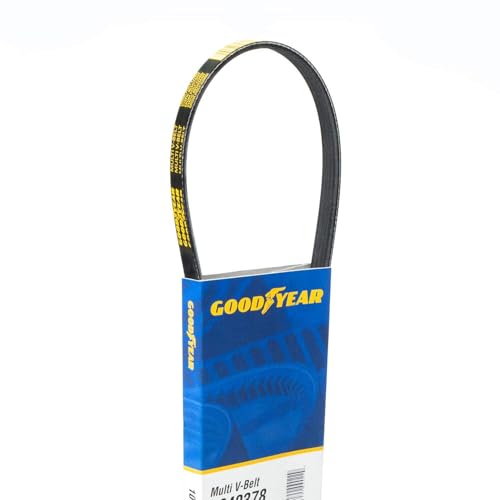
This 39.8-inch belt serves older model years (1990-2007) including Acura and Chevrolet lines, with durable EPDM material and twisted polyester cords. Best for owners replacing aging serpentine belts in older engines needing solid power transmission. Choose this belt if your vehicle falls within the listed years; otherwise, verify length and rib count to avoid misfit.
FUSCH EPS Belt For Ford F-150 And Mustang

Designed for electric power steering systems, this belt features nylon thread reinforcement and anti-aging wear resistance. It’s compatible with Ford F-150 (2010-2014) and Mustang models. Best for owners of these Ford trucks and cars needing a belt that resists wear and reduces risk of tooth slippage. A caveat is that applicability is primarily for Ford EPS systems; use only if the vehicle matches the listed models and years.
ApplianPar Serpentine Drive Belt Pulley Set For Honda Civic

ApplianPar’s Civic-specific kit includes 4PK800, 4PK820, and 4PK845 belts, designed for Honda Civics from 1996-2000. Best for Honda owners performing a full belt and pulley replacement in one go. Choose this if your Civic falls in the listed years and you want a coordinated replacement set; otherwise, verify belt lengths and part numbers for your exact model.
Buying Guide
Key purchase considerations address fit, materials, and durability. The following questions help identify the best belt for your vehicle and driving style.
- What is my vehicle’s exact make, model, and year, and what length does the belt require?
- Do I need a single-belt replacement or a multi-belt kit for convenience and proper tensioning?
- Which material matters most—EPDM for durability, or a specific cross-section and rib design for fitment?
- Is the belt compatible with the current power steering system and other driven accessories?
- Are there any installation notes, including tensioning and alignment, that affect longevity?
- What trade-offs exist between price, noise, and long-term reliability?
Practical Tips For Selecting A Serpentine Belt
- Match the exact length and rib count to your engine’s configuration.
- Prefer belts with EPDM rubber for better heat resistance and longer life.
- Consider Yelp-influence: kits with multiple belts simplify future maintenance and reduce misfits.
- Review vehicle-specific fitment guides or part catalogs to verify compatibility.
FAQ
- Q: How do I know if my belt needs replacement?
A: Look for cracks, fraying, glazing, or squealing sounds during steering or accessory operation. - Q: Can a non-OEM belt fit my car?
A: Yes, if it matches the exact length, rib count, and cross-section for your model; always verify compatibility. - Q: Is a belt kit better than buying one belt at a time?
A: A kit can ensure matched replacements for multiple belts and simplify future maintenance. - Q: Does belt material affect noise?
A: Yes. EPDM and properly tensioned belts tend to run quietly with less vibration. - Q: How often should belts be inspected after installation?
A: Regular inspection during routine maintenance is advised, especially in high-mileage vehicles. - Q: What safety steps should I follow when replacing a belt?
A: Disconnect the battery, relieve belt tension using the tensioner tool, and follow vehicle-specific service guidelines.