Answering the need for efficient, ventilation-friendly roofs, rotating roof vents for vans provide airflow without relying on power. This guide highlights top options for touring vans, camper vans, and work vehicles. Best for quick air exchange on the move, these vents suit users seeking wind-powered reliability, low-profile design, and easy installation. The top picks below help builders, travelers, and fleet operators choose the right vent for their roof setup.
| Product | Best For | Key Benefit |
|---|---|---|
| Slim-Matic Wind-Powered Rotating Roof Vent Fan (AVA-MATIC) | Vans, RVs, Campers | Ultra-slim, wind-powered, continuous airflow |
| Slim-Matic Ultra-Slim Rectangle (AVA5210) | Rooftop racks, tight installs | 2.2 inches tall, high airflow up to 76.5 CFM |
| BQGIATYLB Wind Driven Vent White | Classic vans, 4x4s | Precision rotary control, reliable airflow |
| BQGIATYLB Wind Driven Vent Black | Dark exterior vehicles | Same dependable airflow with black finish |
| AB Tools Black Low Profile | Budget builds, simple cooling | Cost-effective, internal adjustment |
Slim-Matic Wind-Powered Rotating Roof Vent Fan (White, Round Shutter)

Brand: AVA-MATIC. Features: Slim-Matic wind-powered rotating roof vent for vans, RVS, trailers, campers; white color; round shutter design. This vent uses wind power to operate without electricity, making it suitable for long trips and off-grid setups. It is best for vehicles needing minimal electrical load and a compact footprint.
Who it’s best for: Fleet operators and travelers who want a lightweight, maintenance-light vent that requires no wiring. Why selected: Its ultra-slim profile and wind-driven operation offer reliable air exchange with simple installation.
Limitations: Performance depends on wind speed; very low wind regions may see reduced airflow. Consider pairing with a secondary exhaust or a small auxiliary vent for still-air conditions.
BQGIATYLB Wind Driven Van Vent White

Brand: BQGIATYLB. Features: Precision-engineered with smooth rotary dials for airflow control, promotes cabin air circulation for even temperature distribution, built to withstand temperature variations with reliable performance over time.
Best for: Vans and utility vehicles requiring adjustable airflow without electric fans. Why selected: The smooth dial control provides fine-tuning, which helps maintain comfortable cabin conditions on longer trips.
Limitation: Rotary settings may require periodic adjustment to maintain optimal airflow in changing weather. Not ideal for users seeking battery-powered operation.
BQGIATYLB Wind Driven Van Vent Black
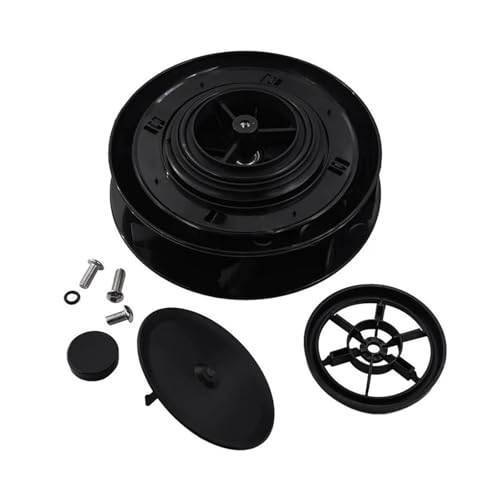
Brand: BQGIATYLB. Features: Black variant of the wind-driven roof vent with the same precision rotary control and weather-tolerant design as the white model.
Best for: Vehicles with dark exterior finishes where contrast may be preferred. Why selected: Provides consistent airflow control while matching a black roof aesthetic.
Limitation: Color may affect heat absorption on roof surfaces; monitor for UV exposure in hot climates.
Slim-Matic Ultra-Slim Black Rectangle (AVA5110)

Brand: AVA-MATIC. Features: Ultra-slim profile at 2.2 inches tall; wind-powered operation; high airflow up to 76.5 CFM at highway speeds. Rectangle shutter design suitable for flat roof sections or roof racks.
Best for: Vans with limited clearance and fleets needing unobtrusive vents. Why selected: Combines minimal height with strong airflow, ideal for low-profile builds.
Limitation: Wind dependence means performance varies with wind conditions; consider a supplemental vent for calm days.
Slim-Matic Ultra-Slim White Rectangle (AVA5210)
Brand: AVA-MATIC. Features: Ultra-slim profile (2.2 inches), wind-powered, long-range airflow efficiency; white rectangular shutter. The design is optimized for vehicles with roof racks or compact roof areas.
Best for: Vehicles needing a discreet, high-efficiency vent that does not rely on electrical power. Why selected: Offers a balance of slimness and robust airflow, helping reduce heat buildup in vans and campers.
Limitation: Aesthetics and performance may vary with roof geometry; verify fit before installation.
Buying Guide
What matters most when choosing a rotating roof vent?
- Vent type: Wind-powered vents require no power supply but rely on directional wind to operate. Consider electric-assisted options if you expect minimal wind.
- Profile and fit: Ultra-slim designs fit tight roof lines and roof racks. Confirm height clearance and mounting footprint before purchase.
- Airflow capacity: Look for CFM ratings at highway speeds to estimate real-world performance. Higher CFM means faster air exchange.
- Control and adjustability: Vents with smooth rotary dials or adjustable shutters provide finer control over airflow and noise.
- Durability: Weather resistance and materials (plastic vs. metal) impact longevity in sun-exposed environments and temperature changes.
- Appearance: Color and shutter design can affect integration with vehicle aesthetics and roof color.
- Installation considerations: Some vents are easier to install on flat roofs; others require templates or professional sealing for watertight installation.
How to compare options quickly?
- Best for wind-rich areas: Choose Slim-Matic or other wind-powered units with high CFM ratings at speed.
- Best for tight roof space: Prioritize ultra-slim rectangle designs with low height.
- Best for low-maintenance fleets: Wind-powered vents reduce electrical concerns and maintenance.
- Best for budget builds: Look at black low-profile variants or white models with straightforward mounting.
Maintenance and installation tips
- Inspect seals around the vent after installation to prevent leaks.
- Keep shutters clean to maintain smooth rotation and airflow.
- Test airflow direction and adjust to the prevailing wind direction to maximize efficiency.
- Archive any manufacturer mounting templates or instructions for future resealing or relocation.
Frequently Asked Questions
- What is the main advantage of wind-powered roof vents? Answer: They operate without electricity, reducing load on the vehicle’s electrical system and enabling continuous air exchange when wind is present.
- Do these vents require professional installation? Answer: Some models are straightforward installs for DIY users; others may benefit from professional sealing for watertight results.
- Will a wind-powered vent cool a van on a hot day? Answer: Yes, by exchanging stale air with outside air, it reduces heat buildup and improves comfort, especially at highway speeds.
- How do I choose between white and black vents? Answer: White blends with lighter roofs and reflects heat; black can contrast with dark roofs and may show less dirt, depending on climate.
- What should I do if airflow seems weak? Answer: Check wind conditions, ensure shutters are unobstructed, and verify that the vent’s mounting is sealed and oriented correctly.
- Are these vents suitable for SUVs and campers? Answer: Yes, most are designed for vans, RVs, trailers, and campers with similar roof profiles.