Answering the question, these products are designed to seal intake gasket leaks and related cooling system issues without extensive disassembly. They’re best for car owners facing coolant loss, minor gasket seepage, or head/intake gasket concerns where a quick, one-step fix is desired. The top picks fit a range of engines, from small cars to light trucks, and cater to DIY fixes or interim repairs before professional service. The following selections are organized to help you compare effectiveness, compatibility, and practicality at a glance.
Overview table of chosen products:
| Product | Best For | Key Benefit | Notes |
|---|---|---|---|
| Bar’s Leaks HG-1 Head Seal | Vehicles with suspected blown head or intake gasket leaks | Fast, proven seal for head and intake gasket leaks | Requires idling without overheating for effectiveness |
| Bar’s Leaks 1109 Liquid Copper Block Seal | Any cooling system with leaks in heads, blocks, or gaskets | One-step sealant that can fix multiple leak areas | No draining required; antifreeze compatible |
| K-Seal ST3501 Pour & Go | Cars and light trucks needing quick sealing | Ceramic micro-fibres seal holes up to 0.64mm | Works with all antifreeze; one-step formula |
| K-Seal ST5501 Heavy-Duty | Large engines and heavy-duty applications | Fast seal with broad compatibility | Designed for heavier use; check vehicle specs |
| Bar’s Leaks 1100 Head Gasket Repair Sealant | Head gasket and related cooling leaks | One-step sealant that repairs leaks from gaskets and blocks | Requires idle time to activate seal |
Each product below is described with its intended buyer, rationale for selection, and a practical note. Read on to compare features and identify the best fit for your vehicle and situation.
Bar’s Leaks HG-1 Head Seal Review

Best for: Owners suspecting a blown head or intake gasket leak who want a proven, brand-backed fix. Why selected: Bar’s Leaks HG-1 combines a long-standing brand with a formulation designed to seal head and intake gasket leaks and even seal warped or cracked heads or blocks under certain idle conditions. This makes it a strong option when the cooling system shows coolant loss and the engine can run for a short warm-up period without overheating. Limitation: Effectiveness depends on engine condition and may require monitoring after application.
Bar’s Leaks 1109 Liquid Copper Block Seal

Best for: Car owners facing coolant loss from multiple cooling-system areas. Why selected: This one-step formula uses liquid glass/copper-based sealing that penetrates leaks in heads, blocks, manifolds, radiators, and other components. It’s antifreeze compatible and can be added directly to the radiator without draining, which is convenient for many daily drivers. Caution: Severe, active leaks may require professional inspection as a stop-leak solution is not a substitute for major repairs.
K-Seal ST3501 Pour & Go Head Gasket Sealer

Best for: DIYers needing a reliable, quick-acting sealant for head gasket issues, including cracked heads or engine blocks. Why selected: K-Seal ST3501 uses a ceramic micro-fiber formula that seals holes up to 0.64mm and is compatible with various antifreeze types. It’s a versatile option for many engines and is designed as a one-step solution. Limitation: Large leaks or misdiagnosed problems may require professional assessment beyond a sealant fix.
K-Seal ST5516 Heavy-Duty One Step

Best for: Heavy-duty engines and larger vehicles requiring a robust sealing solution. Why selected: This heavy-duty, one-step formula is engineered to seal leaks in radiators, head gaskets, blocks, and more, with broad compatibility for antifreeze and engine materials. Limitation: May be overkill for small, low-leak scenarios; assess vehicle needs before application.
Bar’s Leaks Block Seal Head Gasket Fix
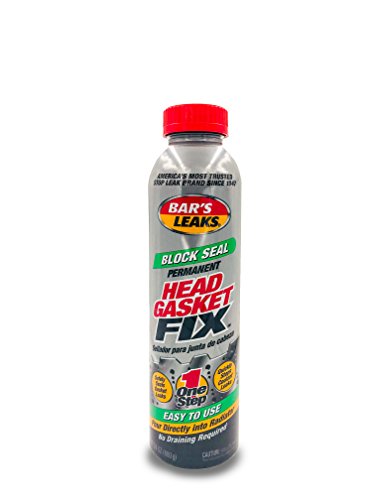
Best for: Vehicles with head gasket, cylinder head, or block leaks where a single-step sealant is preferred. Why selected: The formulation penetrates gaps and cracks and hardens to form a permanent seal, targeting severe leaks from gasket areas. Limitation: Requires idling about 20 minutes without overheating to activate the seal properly.
Bar’s Leaks 1100 Head Gasket Repair Sealant
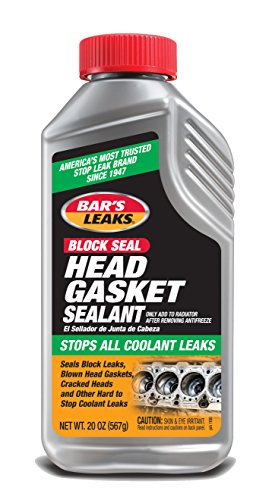
Best for: Readers seeking a straightforward head gasket repair sealant option that promises to stop coolant leaks from gaskets and related areas. Why selected: This 20 oz formula aims to stop leaks by strengthening seals around gasket joints. Limitation: Effectiveness can depend on engine condition and proper mixing and idling post-application.
Buying Guide
What should you consider before choosing a gasket leak sealer?
- Leak location and severity: Identify whether leaks originate from the head gasket, intake gasket, or other cooling-system components to match the right product.
- Engine type and capacity: Ensure the product is compatible with your engine size (gasoline vs. diesel, 4- to 12-cylinder, heavy-duty applications).
- Coolant compatibility: Confirm antifreeze compatibility to avoid chemical reactions or reduced sealing effectiveness.
- Activation and usage: Some products require a specific idle time or engine temperature for the seal to form; follow instructions to maximize results.
- DIY vs professional repair: Use sealants for minor leaks or temporary fixes, and plan professional assessment for persistent or large leaks.
- Warranty and brand reliability: Consider established brands with long history and documented performance in similar issues.
Frequently Asked Questions
- Do intake gasket sealers work for blown head gaskets?
Some sealers can address minor to moderate leaks, but blown or severely warped gaskets often require professional repair. - Can I use these products with all antifreeze types?
Many products advertise compatibility with common antifreeze, but always verify your vehicle’s coolant type and follow product instructions. - Will these sealers clog my radiator or heater cores?
When used as directed, most sealants are formulated to minimize clogs, but improper use or overuse can cause deposits. - How long should I run the engine after applying a sealer?
Typical guidance is to idle the engine for 15–20 minutes (or as specified) to activate the seal, then check for leaks. - Is a sealant a permanent fix?
Sealants are designed to stop leaks, but continued monitoring is recommended; persistent leaks may indicate deeper engine issues. - Should I flush my cooling system after using a sealant?
Some products recommend no draining; others may require a flush if advised by the manufacturer or as part of a future repair plan.