Answering your search: the best SAE 30 motor oils for small engines and outdoor power equipment—like lawnmowers, generators, and snow blowers—are conventional or synthetic blends designed to protect against wear, deposits, and high-temperature breakdown. This guide highlights options suited for beginners, DIY enthusiasts, and fleet managers who need reliable protection for everyday use. The following table summarizes five well-matched choices and what each is best for.
| Product | Best For | Notes |
|---|---|---|
| STP Premium Synthetic Blend 4 Cycle Small Engine Oil, SAE 10W-30 | Small engines in lawnmowers, generators, and snow blowers | Good antioxidant protection and dirt control; includes detergents to prevent buildup |
| Pennzoil SAE 30 Motor Oil, 1 Quart | Classic gasoline engines needing dependable wear protection | Proven wear protection; helps prevent deposits from forming |
| Royal Purple 01030 SAE 30 High-Performance Synthetic | High-performance or budget-conscious users seeking enhanced protection | Better wear protection and potential fuel efficiency benefits |
| Toro SAE 30 Summer Oil | Outdoor power equipment in warm-weather operation | Simple, straightforward option marketed for summer use |
| Valvoline Daily Protection SAE 30 Conventional | Everyday protection for a wide range of engines | Conventional formula focused on deposits and wear resistance |
STP Premium Synthetic Blend 4 Cycle Small Engine Oil

Features: SAE 10W-30 motor oil for small engines; formulated for lawnmowers, generators, tractors, snow blowers, and other outdoor equipment. Antioxidants fight thermal breakdown to sustain oil effectiveness at high temperatures. Detergents help keep components clean and prevent carbon buildup that can affect performance and start-up.
Best for: Owners of small engines where a 10W-30 grade is acceptable, especially in mixed-season climates. This product is chosen for its emphasis on durability under heat and its additive system that limits deposit formation. Caution: Not a direct SAE 30 option; performance nuances may vary in very hot environments or engines that specify 30 weight only.
Pennzoil SAE 30 Motor Oil, 1 Quart
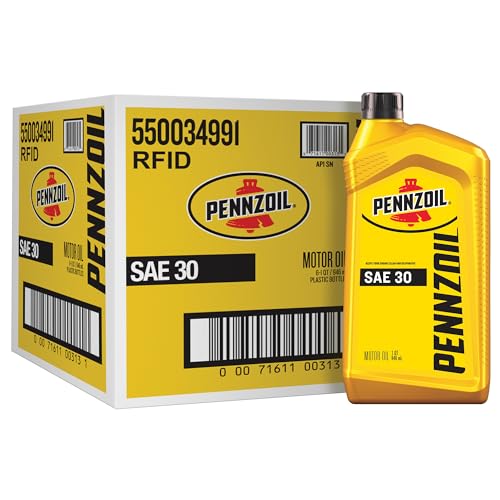
Features: SAE 30 motor oil designed to keep engines clean and responsive; provides proven wear protection and helps prevent dirt and contaminants from forming performance-robbing deposits, based on standard testing.
Best for: Engines that require a straightforward SAE 30 formulation with reliable wear protection and cleanliness. Limitation: As a conventional option, it may not provide the same advanced deposit defenses as synthetic blends in extreme conditions.
Royal Purple 01030 SAE 30 High-Performance Synthetic

Features: High-performance synthetic motor oil for SAE 30. Emphasizes better wear protection and potential improvements in fuel efficiency.
Best for: Users seeking higher protection levels and synthetic-grade resilience for engines operating under heavy loads or in demanding conditions. Caution: Higher cost may be a consideration compared with conventional 30 oils.
Toro SAE 30 Summer Oil

Features: SAE 30 summer oil marketed for use in warm-weather operation and compatible with typical outdoor power equipment.
Best for: Situations where a simple, season-appropriate 30 weight oil is used routinely in hot climates. Limitation: Availability and precise specs may vary by region; verify engine compatibility and weather needs.
Valvoline Daily Protection SAE 30 Conventional

Features: Conventional formula providing everyday protection against wear, deposits, and sludge; designed for high-temperature protection and smooth performance. It also flows well in cold starts.
Best for: Engines that need reliable, everyday protection with good cold-weather start performance. Caution: May not offer the enhanced deposit defense of synthetic blends in extreme or high-mileage use cases.
Buying Guide: Key Considerations For SAE 30 Oil Buyers
- Engine type and specification: Match the oil grade (SAE 30) to your engine’s manufacturer recommendations. Some small engines tolerate conservative blends, while others require straight 30 weight.
- Conventional vs. synthetic blends: Conventional oils are typically cost-effective and reliable for standard use; synthetic blends offer better protection at higher temperatures and under more demanding conditions.
- Climate and operating conditions: Hot environments benefit from oils with strong oxidation resistance and deposit control; cold starts may benefit from thinner cold-start formulations even within a 30 weight family.
- Equipment type: Outdoor power equipment like lawnmowers and snow blowers often prioritize cleanliness and wear protection for repeated starts and varied load conditions.
- Maintenance interval expectations: Some oils are formulated to resist sludge and deposits longer; follow manufacturer intervals to maintain engine cleanliness and performance.
FAQ: Quick Answers For SAE 30 Oil Shoppers
- What is SAE 30 oil best used for? The SAE 30 grade is common for small engines and outdoor equipment requiring straightforward protection against wear and deposits in moderate climates.
- Is synthetic better than conventional for SAE 30? Synthetic formulations can offer improved wear protection and stability at higher temperatures, but conventional oils remain a solid, budget-friendly choice for many engines.
- Can I mix oil brands in one engine? It’s generally best to follow the manufacturer’s recommendations and avoid mixing brands or grades unless explicitly allowed, to prevent conflicts in additives and viscosity.
- How do I know if my engine needs a 10W-30 instead of 30? Check your engine’s label or manual. Some small engines are rated for 10W-30, which offers better cold starts, while 30 weight is preferred in warm climates or as specified by the manufacturer.
- What maintenance interval is typical for SAE 30 oils? Many engines are serviced every season or after a set number of hours, per the equipment manual; always follow the recommended schedule for optimal protection.
- Are there environmental or disposal considerations? Used motor oil should be recycled or disposed of according to local regulations; never mix used oil with other fluids for disposal.