When camping or traveling with a CPAP machine, dependable off-grid power is essential. This guide highlights top solar generators that balance CPAP compatibility, battery capacity, portability, and fast recharging. Each option supports multiple devices, offers pure sine wave power, and is suitable for extended outdoor use. The selections below focus on units that perform well for CPAP users, campers, and emergency preparedness—without tying you to outlets or gas generators.
| Product | Brand | Capacity | Key Benefit |
|---|---|---|---|
| Explorer 300 | Jackery | 293Wh | Lightweight with multiple outlets; fast recharge |
| SOLIX C1000 Gen 2 | Anker | 1,024Wh | Ultra-fast recharge; high power output |
| Portable Power Station 300W | ThunderRider | 299Wh | Ultralight and compact; reliable CPAP backup |
| MARBERO M82 Series (300W) | MARBERO | 237Wh | Versatile outputs; built-in LED lantern |
| SOLIX C300 | Anker | 288Wh | Travel-friendly with fast two-way charging |
Jackery Explorer 300: Compact Portable Power

The Explorer 300 from Jackery packs 293Wh in a lightweight form factor, making it a practical choice for CPAP users who hike, camp, or travel. It features 2 Pure Sine Wave AC outlets for stable power and supports multiple recharging methods, including wall outlet, car adapter, or solar panel (solar panel optional). With a total of several ports—AC outlets, USB-C, USB-A, and a DC car port—it can charge several devices simultaneously. Its 7.1-pound weight enhances portability, while its safety and stability suit outdoor use.
Anker SOLIX C1000 Gen 2: Fast, Powerful Backup

The SOLIX C1000 Gen 2 delivers 2,000W continuous power (3,000W peak) and a 1,024Wh capacity. Its HyperFlash fast charging enables ultra-rapid recharging, reaching full power quickly to minimize downtime. With a robust port array—from multiple USB-C outputs to traditional AC outlets—it supports charging for CPAP machines, laptops, cameras, and more. The unit’s weight and compact footprint improve portability for camping, remote work setups, or off-grid living, and it can be expanded with an optional solar panel for greener recharging.
ThunderRider Portable Power Station 300W
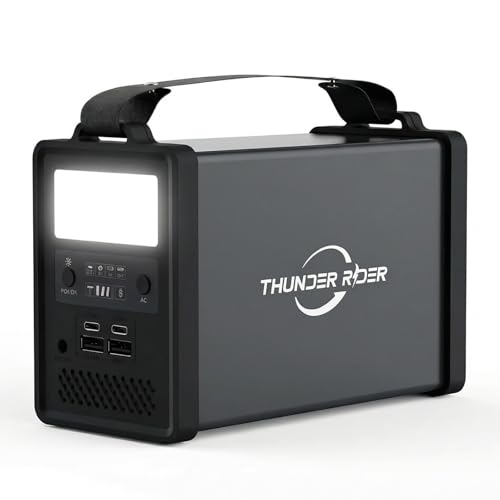
ThunderRider’s 300W, 299Wh power station emphasizes ultralight design (4.38 lbs) without sacrificing essential CPAP support. It offers 2 AC outlets, multiple USB ports, and a Pure Sine Wave output, delivering clean power for sensitive devices. The compact form factor makes it ideal for hikers and campers who must minimize load while preserving battery reliability for overnight CPAP use and other devices. The device is positioned as a dependable emergency power option for camping, RV trips, and home backup scenarios.
ALLWEI 280Wh Portable Power Station
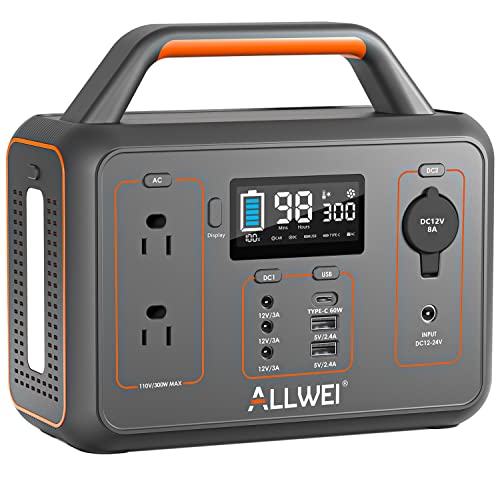
ALLWEI’s 280Wh unit provides 300W continuous output across nine ports, including two AC outlets and multiple USB-C/USB-A options. The device emphasizes versatility and portability with MPPT-enabled charging for solar input, multiple recharging methods (AC, car, solar), and a range of DC, USB, and AC outputs. This makes it a strong option for CPAP use during camping, RV trips, or home backup power, with enough ports to support a CPAP, phone, tablet, and other small devices simultaneously.
Anker SOLIX C300: Compact Yet Capable

The SOLIX C300 delivers 300W continuous power with 288Wh of capacity and a compact build, making travel-friendly power a reality. It supports fast two-way charging with 140W USB-C ports and offers multiple output options to run CPAP devices, laptops, and phones. Its portable design suits camping and travel scenarios where space and weight are critical, while still providing enough power for essential equipment during outages or overnight camping.
Buying Guide: Key Purchase Considerations
- Power needs and CPAP compatibility: Check continuous wattage (real-world CPAPs typically require 30–60W running plus surge) and whether the unit provides stable Pure Sine Wave power to protect sensitive equipment.
- Battery capacity and runtime: Larger capacities (around 1,000Wh) extend run times for CPAPs and multiple devices. Balance capacity with weight and portability for your use-case—camping vs. home backup.
- Recharge options: Look for AC wall charging, car charging, and solar charging compatibility. Fast recharge (when available) reduces downtime between trips.
- Output ports: Ensure a mix of AC outlets, USB-C (PD), USB-A, and DC ports to cover CPAP, phone, laptop, and ancillary devices.
- Weight and form factor: Lighter models improve portability for hikers, while larger units may be better suited for RVs and home backup.
- Battery chemistry and lifecycle: Lithium iron phosphate (LiFePO4) offers longer lifespans and enhanced safety, while standard lithium-ion batteries may be lighter but have shorter lifecycles.
- Safety features: Overload protection, short-circuit protection, and thermoregulation are essential for outdoor use and sensitive medical devices.
- Durability and weather resistance: Look for rugged housings, protective casings, and fan noise levels when used outdoors.
- Expandability: Optional solar panels and modular design can extend operating life when off-grid.