Exploring rural roads often means patchy signal and limited access to TV stations. A high-performance RV antenna designed for long-range, all-direction reception can keep you connected to local broadcasts without relying on camp wifi or cellular data. The following selections emphasize durability, omnidirectional performance, and ATSC compatibility to help rural travelers enjoy free HDTV wherever the road takes them.
Summary of selected products:
| Product | Brand | Notes | Best For |
|---|---|---|---|
| Antenna Direct ClearStream 4V Indoor Outdoor | Antennas Direct | 70+ mile range; NEXTGEN TV ready; indoor/outdoor versatility | Delivers long-range HDTV in varied locations |
| Winegard RZ-6035 Rayzar z1 RV Antenna | Winegard | Compact, directional, easy rotation; ATSC 3.0 ready | Strong reception with minimal footprint |
| Winegard RZ-6000 Rayzar z1 RV Antenna (White) | Winegard | Low-profile dome styling; enhanced VHF/UHF reception | Travel-friendly, high-quality signal |
| Outdoor TV Antenna Bigefeixu 360° Omni | Bigefeixu | 360° omnidirectional reception; weatherproof | Rural and off-grid signals from any direction |
| GZMJRD RV Antenna Roof Mounted (White X Large) | GZMJRD | 720° omni reception; smart IC chip; long 35ft cable | All-around reliability for RVs and trailers |
Antennas Direct ClearStream 4V Indoor Outdoor TV Antenna
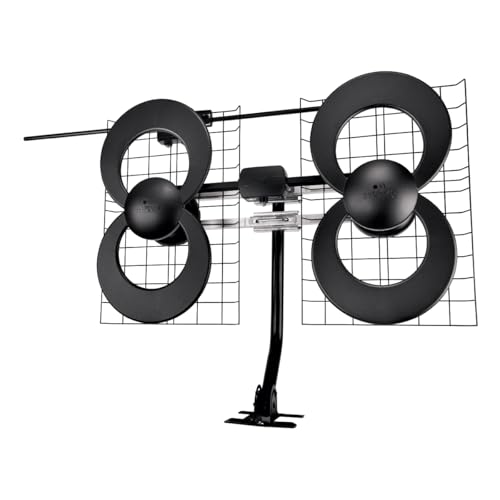
The ClearStream 4V uses four patented loops to capture HDTV signals up to 70+ miles away from broadcast towers. It supports NEXTGEN TV, 4K, and 8K UHD, and does not require an internet connection for free local channels. Its robust construction makes it suitable for indoor installation in RVs, attics, or exterior mounting in rural settings. The 17.4″ H x 27.8″ W x 6″ D design prioritizes durability for variable environments while maintaining wide reception.
Winegard RZ-6035 Rayzar z1 RV TV Antenna

This RV antenna emphasizes optimal UHF reception with strong high-band VHF capabilities, ensuring access to a broad range of broadcast channels wherever the RV travels. Its compact 8.4-inch form factor keeps the unit unobtrusive, while its directional design allows straightforward aiming toward towers. Rotation is designed to be effortless, and it can replace existing heads with minimal effort, supporting a clean and simple upgrade path for rural use.
Winegard RZ-6000 Rayzar z1 RV Antenna (White)
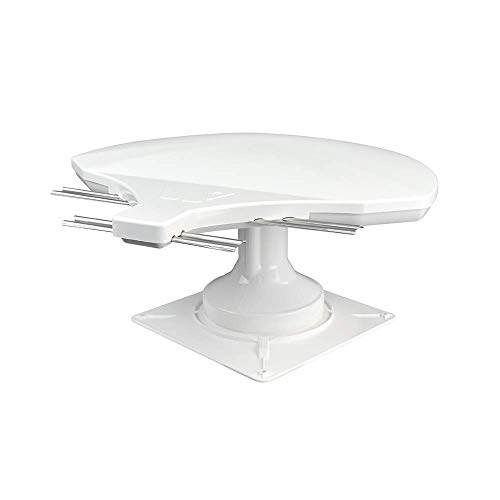
This white, low-profile RV antenna focuses on improved VHF/UHF HDTV reception with a design that reduces wind drag during travel. The streamlined profile helps maintain stability on the road while providing the benefits of enhanced signal reception for rural offerings. It complements a traveler’s need for a compact, reliable upgrade that preserves valuable rooftop space.
Outdoor TV Antenna Bigefeixu 360° Omni-Directional

Bigefeixu’s 360-degree outdoor antenna delivers omnidirectional reception for UHF and VHF channels, enabling stable signal capture without constant aiming. Its weatherproof construction suits RV roofs, outdoor mounts, or attics in rural environments. The included long coaxial cable (32.8 feet) supports flexible installation options, helping travelers optimize positioning for best signal across expansive landscapes.
GZMJRD RV Antennas Roof Mounted (White Large)

GZMJRD’s roof-mounted RV antenna emphasizes 720° reception with an upgraded IC chip to filter cellular and FM signals for higher picture quality. It ships with a lengthy 35-foot cable to ensure flexible placement on an RV roof or other high-position sites. The design aims to deliver consistent HDTV reception across diverse rural terrains, reducing the need for manual repositioning while traveling.
Buying Guide
Key considerations when choosing a rural-ready RV antenna include:
- Signal range and directionality: If you frequently travel away from urban centers, a long-range, omnidirectional or easily rotatable antenna can maximize free over-the-air channels.
- ATSC compatibility: Ensure the antenna supports ATSC 1.0/3.0 and, if possible, NEXTGEN/4K/UHD signals to future-proof viewing.
- Installation flexibility: Indoor, attic, roof, or external mounting options impact signal quality and durability in harsh weather.
- Weather resistance: Outdoor antennas should be weatherproof to endure rain, snow, wind, and heat in rural climates.
- Physical footprint and aerodynamics: Low-profile designs reduce wind drag for travel efficiency, while larger units may require rooftop space planning.
- Cable length and ease of setup: Longer cables offer versatile placement but consider signal loss and quality; look for included high-quality coaxial cables.
- Future readiness: ATSC 3.0 and 4K compatibility improve channel availability as networks upgrade.
- Value proposition: Compare build quality, warranty, and the availability of replacement parts when traveling in remote areas.
Additional Perspectives
For RV travelers in rural areas, choosing between omnidirectional versus directional designs depends on travel habits. Omnidirectional antennas simplify setup and reduce frequent adjustment, making them ideal for seasonal routes or fluctuating tower locations. Directional antennas can deliver stronger signals when you can point toward a distant tower and stay stationary for longer periods, offering higher gains in fringe areas. Weatherproofing and mounting flexibility are often the deciding factors in rural environments where installations must endure varied conditions. Consider supplemental accessories like longer coax cables or mast extensions to optimize position and stability.
Buying Guide Summary
In rural settings, prioritize antennas with wide reception angles, robust construction, and compatibility with current and upcoming broadcast standards. Assess your vehicle size, rooftop space, and typical travel routes to determine whether a compact or a larger, long-range model best fits your needs. Finally, review warranty coverage and support resources from manufacturers to ensure reliable performance on extended trips through less-populated regions.