Finding the right oil for turbocharged engines is essential for protecting bearings, controlling wear, and maintaining performance under higher temperatures and boost. This guide highlights top options designed for turbo cars, including full synthetic formulas, European specifications, and additives that support enhanced lubrication. Each pick is evaluated for wear protection, oxidation resistance, and compatibility with turbocharged systems.
| Product | Brand | Key Benefit |
|---|---|---|
| Castrol EDGE Turbo Diesel 0W-20 | Castrol | Enhanced wear protection and fuel economy |
| Mobil 1 European Car Formula 0W-40 | Mobil | Long engine life under severe conditions, extended change intervals |
| TriboTEX Nano Oil Additive | TriboTEX | Diamond-like coating within oil for quieter, smoother operation |
| Lubegard Engine Oil Protectant | Lubegard | Reduces LSPI risk and revitalizes worn oils in turbo engines |
| FHS Smokeless Motor Oil (Heavy) | FHS Smokeless | Smokeless, lowers emissions, extends mileage in high-performance engines |
Castrol EDGE Turbo Diesel 0W-20 Review
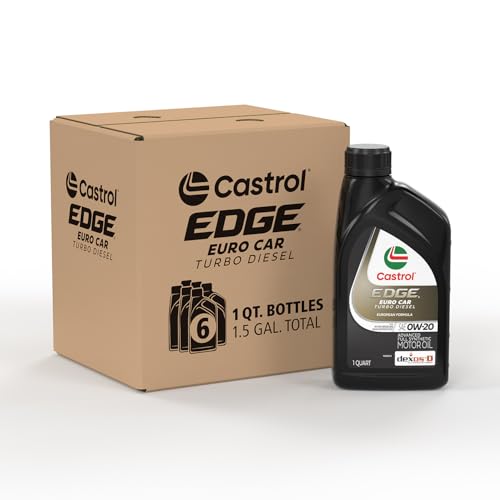
Castrol EDGE Turbo Diesel 0W-20 is a full synthetic motor oil designed for turbocharged diesel engines. It emphasizes 4X better wear protection to reduce friction, supporting smoother operation under boost. The formula targets fuel efficiency and meets multiple industry specifications, including API SP and Ford WSS-M2C947 variants, with GM dexosD compatibility. This oil aims to preserve engine performance during high-temperature operations typical of turbocharged setups.
Mobil 1 European Car Formula 0W-40 Review

Mobil 1 FS European Car Formula 0W-40 full synthetic motor oil is engineered to extend engine life in severe conditions, including turbocharged environments. It helps control oxidation to prevent oil breakdown and maintains viscosity up to around 10,000 miles between oil changes in compatible vehicles. The product emphasizes standout wear protection and friction reduction with uniformly molecular synthetic oils designed for high-performance engines.
TriboTEX Nano Oil Additive Review
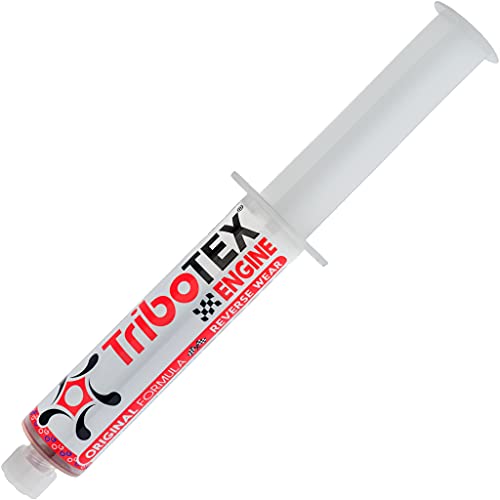
TriboTEX Nano Oil Additive introduces synthetic nanoparticles designed to create a diamond-like carbon coating on bearing surfaces, reversing wear and smoothing movement. Marketed as universal for gasoline and diesel engines, it claims compatibility with all motor oils and aims to improve overall engine life, including turbocharged units. It is positioned as a booster for both older and newer engines seeking quieter, smoother operation.
Lubegard Engine Oil Protectant Review

Lubegard Engine Oil Protectant is designed for turbocharged engines to reduce low-speed pre-ignition and engine knock, while revitalizing older or worn oils. By enhancing oil film strength and friction control, it supports better lubrication under boost. The product is positioned as a practical add-in to extend the life of turbocharged powertrains and improve overall protection.
FHS Smokeless Motor Oil Review

FHS Smokeless Motor Oil is a heavy-duty, high-performance synthetic blend designed to stay cleaner, reduce emissions, and extend mileage in diesel and turbo no-smoke applications. Marketed as suitable for extreme racing conditions, the oil emphasizes low smoke and high-temperature stability, aiming to support turbocharged engines that require robust protection in demanding environments.
Buying Guide
When selecting oil for a turbo car, consider these purchase factors from multiple perspectives:
- Viscosity and climate: Turbo engines benefit from viscosity grades that balance protection and fuel economy. Conventional turbo owners may prefer 0W-40 or 5W-30 based on manufacturer recommendations and climate.
- Specifications: Look for API SP or SG equivalents, ILSAC GF-6, ACEA ratings, and any OEM approvals (Ford WSS-M2C947, GM dexosD, etc.). This ensures compatibility with turbocharged systems and warranty coverage.
- Wear protection and friction reduction: Full synthetics generally offer superior protection at high temperatures common in turbochargers. Additives and nano-coatings can further minimize wear and improve seal performance.
- Oxidation resistance and longevity: Oils designed to maintain viscosity and resist breaking down under heat extend intervals between changes, which matters for turbocharged engines that run hotter.
- Turbo loyalty vs. universal options: Some products target turbo-specific efficiency or emissions, while others provide broad compatibility across gasoline and diesel engines. Choose based on your engine type and maintenance plan.
- Additives vs. pure oils: Diesel and turbo engines may benefit from additives that address LSPI risk, fuel dilution, or deposit control. Weigh the cost against the expected performance gain for your use case.
- Vehicle and warranty considerations: Always verify OEM recommendations and any warranty constraints before adding third-party additives or switching brands.