Choosing a cold air intake for the 2.7 EcoBoost can improve throttle response, boost horsepower, and enhance engine sound. This guide highlights five compatible kits that prioritize airflow, filtration, and fitment. Each option covers different budgets and installation considerations to help you find a solid upgrade for your F-150 or Raptor with the 2.7L EcoBoost engine.
| Product | Brand | Compatibility | Key Benefit |
|---|---|---|---|
| Roush Cold Air Intake Kit 2.7L/3.5L Eco Boost | Roush | F-150 2018-2019, F-150 Raptor 2017-2019 | Improved throttle response and filtration efficiency |
| Roush 422089 Cold Air Intake | Blue Oval Industries | 2018-2025 F-150 2.7L/3.5L EcoBoost | High-flow filter; complete system from inlet to throttle body |
| K&N Cold Air Intake System 63-2593 | K&N | 2015-2025 Ford F-150 | Dyno-tested horsepower and torque gains |
| K&N NextGen Cold Air Intake 50-2617D | K&N | 2021-2025 Ford F-150, F-150 Raptor | Dry-flow filter; enhanced airbox design |
| BP Boosted Performance 2.7L & 3.5L EcoBoost | BP Boosted Performance | 2.7L & 3.5L EcoBoost (2015-2025) F-150/Raptor | Significant airflow increase and horsepower gains |
Note: The following sections highlight five relevant options with their features and practical considerations to help you compare fitment, filtration, sound, and potential performance gains.
Roush Cold Air Intake Kit 2.7L/3.5L Eco Boost

The Roush kit aims to enhance performance and aggressiveness while maintaining filtration efficiency. It is designed to deliver a more direct airflow path than the stock air box, helping throttle response while preserving engine protection. Installation typically focuses on upgrading the air routing from the inlet to the throttle body, with emphasis on minimizing turbulence and maximizing filtration integrity. This option is positioned for enthusiasts seeking noticeable, immediate on-road feedback.
Roush 422089 Cold Air Intake For F-150
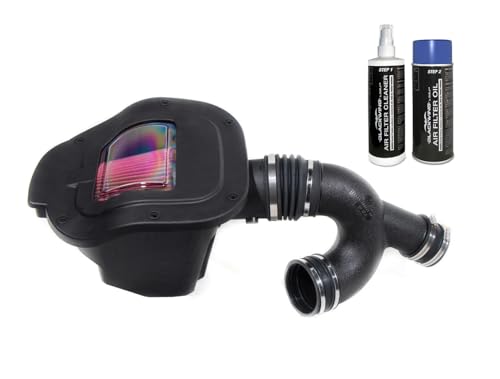
This complete system covers the path from air inlet to the throttle body, using EPDM rubber couplers for a secure fit under engine load. It is compatible with 2018-2025 F-150 models equipped with 2.7L or 3.5L EcoBoost engines. The kit emphasizes a high-flow, reusable filtration setup, potentially offering easier maintenance and consistent performance gains across both 2.7 and 3.5 applications. There is a focus on maintaining a stable intake temperature and reducing restrictions under load.
K&N Cold Air Intake System 63-2593
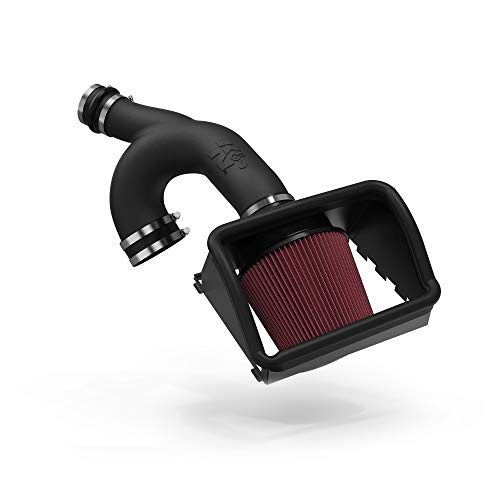
K&N’s system is built to deliver a guaranteed horsepower and torque increase by creating a less restrictive airflow path. The included dyno testing and reports provide a performance baseline. Engine sound tends to become more robust on acceleration due to quicker air intake, returning to a quieter note at cruising speeds. The kit emphasizes easier filter maintenance and repeatable performance improvements through durable materials and design.
K&N NextGen Cold Air Intake 50-2617D

The NextGen design centers on a semi-enclosed airbox and an enlarged fresh air inlet for improved airflow and cooling. The oversized dryflow filter uses Quick-Lock technology for fast, tool-free installation. This setup aims to reduce intake temperatures and deliver solid horsepower and torque gains with less risk of ducting or sealing issues under dynamic driving conditions.
BP Boosted Performance Cold Air Intake For 2.7/3.5 EcoBoost

Boosted Performance markets a notable airflow increase over factory setups, translating to faster turbo spool and improved throttle response. The kit is designed to optimize engine efficiency, helping to reduce restrictions while retaining compatibility with the 2.7L and 3.5L EcoBoost architectures. It also emphasizes a robust intake path with a sound profile users often describe as more aggressive during acceleration and calmer at steady speeds.
Buying Guide
Key considerations when selecting a cold air intake for the 2.7 EcoBoost include fitment accuracy, filtration efficiency, airflow gains, and installation complexity. Look for a kit that provides a complete assembly from the air inlet to the throttle body, especially for 2.7L EcoBoost engines which require precise piping and couplers. A durable, washable filter reduces long-term maintenance costs and downtime.
Performance claims can vary by vehicle condition and tuning. Some kits advertise horsepower gains in the mid-teens, while others emphasize throttle response and turbo spool improvements. It’s important to check whether the product is dyno-tested and if the report is included. Dry-flow and oiled-filter options offer different maintenance intervals and filtration trade-offs; choose based on driving conditions (dusty environments vs. urban use).
Sound and drivability are subjective benefits. Many drivers report a deeper intake roar on hard acceleration with a properly tuned intake, but expect subtle changes at cruising speeds. Warranty implications vary by brand and installation; some kits are designed to avoid dealership void concerns, while others advise potential caution. Confirm fitment for your exact year, trim, and 2.7L EcoBoost configuration before purchasing.
Maintenance and serviceability matter. A reusable filter means ongoing cleaning or replacement is needed, but it reduces recurring costs. Verify filter availability and replacement intervals for your chosen kit. Finally, consider your budget and goals: if you want maximum official performance claims, review dyno data and user reviews to compare real-world gains and any potential drone or resonance changes at highway speeds.