Choosing the right grease for your trailer hitch ball helps reduce wear, prevent rust, and quiet noisy tow operations. The following selections cover waterproof formulas, high-film lubricants, and products designed for various hitch systems. This guide highlights practical features, application notes, and what sets each option apart for American trailers and road conditions.
| Product | Brand | Key Benefit |
|---|---|---|
| Reese Towpower 58117 Hitch Ball Lube | Reese | Water resistant; reduces ball wear |
| Mission Automotive Ball Grease | Mission Automotive | Waterproof; reduces friction, wear, and noise |
| BTAS Trailer Hitch Ball Lubricant | BTAS | PTFE-based; all-metal surfaces; multiple applications |
| 3-IN-ONE Trailer Hitch Gel Lube | 3-IN-ONE | Thick protective coating; long rust protection |
| Acecare 5oz Trailer Hitch Lubricant with Cover | Acecare | High-film strength; includes hitch ball cover; long-lasting |
Overview: The products above emphasize waterproofing, friction reduction, and protective film strength. When selecting a grease, consider compatibility with metal surfaces, whether you need a gel or a liquid, and whether a cover is included for extra protection during storage. The following sections provide concise product details to help you compare options quickly.
Reese Towpower 58117 Hitch Ball Lube

Reese Towpower 58117 Hitch Ball Lube is designed for multiple-use lubrication with water resistance. Its formulation aims to minimize ball wear and provide reliable protection in variable towing conditions. While the jar’s multi-use design supports quick top-ups on the go, users should apply a thin, even layer to both ball and socket to maximize effectiveness. The lube remains useful for hitch pins and other adjacent components, making it a practical all-in-one option for frequent trailers.
Mission Automotive Ball Grease for Trailer Hitch
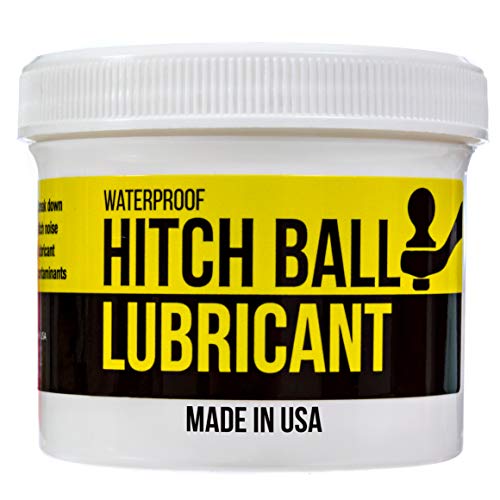
Mission Automotive Ball Grease offers waterproof protection and friction reduction for hitch balls, pins, and related components. The product is formulated to extend the life of hitch hardware by lowering wear and noise during towing. Its versatility makes it suitable for receiver hitches, gooseneck setups, and other mounting schemes. A clear, non-staining formula helps maintain a neat appearance on metal surfaces even after exposure to road grime and rain. Reapplication frequency depends on usage and climate conditions.
BTAS Trailer Hitch Ball Lubricant

BTAS offers a PTFE-enhanced lubricant with synthetic formulation free of petroleum components. This reduces friction and wear across hitch balls, mounts, locks, and other towing accessories. The product emphasizes longevity through a continuous lubrication layer that helps suppress noise and preserve metal surfaces against galling. Its broad compatibility makes it a solid choice for many popular hitch brands and mounting configurations.
3-IN-ONE Trailer Hitch Gel Lube

The 3-IN-ONE Trailer Hitch Gel Lube provides a thick protective coating that minimizes friction and wear on hitch balls. Its design aims to reduce rust for up to a year and withstand extreme temperatures ranging from -100 to 500 degrees Fahrenheit. The gel-based formula tends to stay in place longer under heavy-use conditions, making it suitable for seasonal storage or frequent towing in varied climates. The product’s long-lasting protection helps reduce maintenance intervals.
Acecare 5oz Trailer Hitch Lubricant With Cover
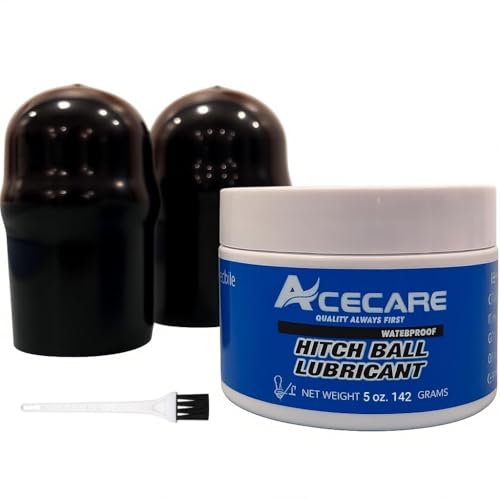
Acecare’s 5-ounce trailer hitch lubricant combines a high-film-strength formula with a bonus hitch ball cover. The lubrication is designed to fight friction, wear, rust, and water exposure while reducing unwanted noise. The included ball cover helps protect the hitch ball during storage and non-use periods. This option is positioned for long hauls and rough terrain, with a claimed adherence that minimizes the need for frequent reapplication compared to lighter-duty products.
Buying Guide
Key purchase considerations:
– Material compatibility: Most hitch lubricants are metal-safe, but check formulations for aluminum or steel components to avoid staining or corrosion.
– Viscosity and film strength: Thicker gels or high-film lubricants generally last longer under heavy use, while liquids may be easier to spread but require more frequent reapplication.
– Weather and temperature tolerance: The best options perform in rain, cold, heat, and humidity without washing away quickly.
– Application method: Single-use tubes, jars, or sprayable formulas affect convenience for roadside maintenance.
– Additional features: Gel-based products stay put; wax-like coatings offer rust protection; kits with protective covers add value for storage.
– Brand and warranty considerations: Trusted brands with tested performance in American towing conditions help reduce surprises on long trips.
Comparisons:
– Waterproof and non-staining formulations are preferable for quick maintenance without leaving residue on trailer components.
– PTFE or synthetic additives generally provide lower friction and longer wear resistance, which benefits heavier loads or frequent towing.
– Gel lubricants excel in staying in place on vertical or inclined surfaces, while paste and gel blends suit mixed-use environments.
– Inclusion of a hitch ball cover adds protective value and helps elongate the life of the hitch ball between uses.
Overall, users should align product choice with their trailer type (receiver, gooseneck, or fifth-wheel), typical weather, and towing frequency. For casual or occasional use, a reliable silicone-based or water-resistant option with easy reapplication is sufficient. For frequent or commercial towing, prioritize high-film strength or PTFE-enhanced lubricants with broader protection and longer intervals between applications.