Choosing the right heat shield for fuel lines helps prevent vapor lock, protects wiring, and extends component life. This guide evaluates five leading options designed to fit a range of fuel lines, hoses, and electrical wiring. Each pick combines high-temperature materials with easy installation to deliver reliable heat protection in demanding conditions.
Summary of chosen products
| Product | Brand | Key Use | ID / Size | Length | Special Feature |
|---|---|---|---|---|---|
| Heat Shroud Aluminized Sleeving Heat Shield Fuel Line Sleeve | LEDAUT | Fuel lines, wiring, brake lines | 1″ ID | 10 ft | Aluminized outer facing with glass fiber core; hook & loop edges |
| Heat Shroud Aluminized Sleeving Heat Shield Fuel Line Sleeve | LEDAUT | Fuel lines, wiring | 1/2″ ID | 10 ft | Aluminized sleeve; clip/closure system |
| Heat Shroud Aluminized Sleeving Heat Shield Fuel Line Sleeve | LEDAUT | Fuel lines, wiring | 1-1/4″ ID | 10 ft | Hook & loop closure; multiple diameters |
| Design Engineering Vapor Block 3/8″ I.D. x 36″ Fuel Line Sleeve | Design Engineering | Fuel line insulation; vapor lock prevention | 3/8″ ID | 36 in | Split design with adhesive flap for easy install |
| Insulation Heat Shielded Fire Thermo Armor Sleeve | XINPENGLIU | Fuel lines, hoses, wiring | 3/4″ ID | 5 ft | Silicone-coated fiberglass; high-temp resistance |
Section overview: The selected products span aluminized fiberglass sleeves, easy-install split designs, and high-temperature silicone-coated options. They cover common fuel line diameters and offer durable protection in engine bays, underdash areas, and near exhaust systems. The following product sections detail features, installation notes, and practical use cases to help you compare effectively.
Heat Shroud Aluminized Sleeving — 1 Inch ID, 10 Ft

LEDAUT’s 1″ ID heat shield sleeve uses a high-temperature glass fiber core with an aluminized outer face. The combination delivers robust protection against radiant heat, chemicals, oil spills, dirt, grease, and road grime. A hook-and-loop closure provides quick, tool-free installation around fuel lines, wiring, or small hoses. The sleeve’s design emphasizes a precise fit with measured mounting surfaces to minimize movement and ensure reliable contact protection.
Typical applications include fuel lines, brake lines, intake tubes, and wiring harnesses. The kit commonly ships with steel cable ties for secure bundling, helping maintain route integrity under engine heat. For installations where maximum heat reflection is desired, this LEDAUT sleeve offers a strong balance between durability and ease of use. Users appreciate the flexible length and diameter options that accommodate different vehicle setups.
Heat Shroud Aluminized Sleeving — 1/2 Inch ID, 10 Ft

This smaller-diameter LEDAUT option provides the same material benefits in a compact form. The aluminized outer facing reflects radiant heat, while the glass fiber core resists high temperatures and chemical exposure. The hook-and-loop closure is designed for wrap-around installs on tight spaces, making it suitable for fuel lines in narrow engine bays or behind firewall areas. It is compatible with various line sizes and can be paired with spare stainless steel zip ties for extra stability during road exposure.
Ideal use cases include short runs of fuel lines and sensor wiring that need protection without adding significant bulk. The kit’s measured precision aims to ensure a snug fit across common automotive configurations, reducing the chance of movement or chafing as engine temps rise. Users value the straightforward installation that does not require disassembly of components.
Heat Shroud Aluminized Sleeving — 1-1/4 Inch ID, 10 Ft
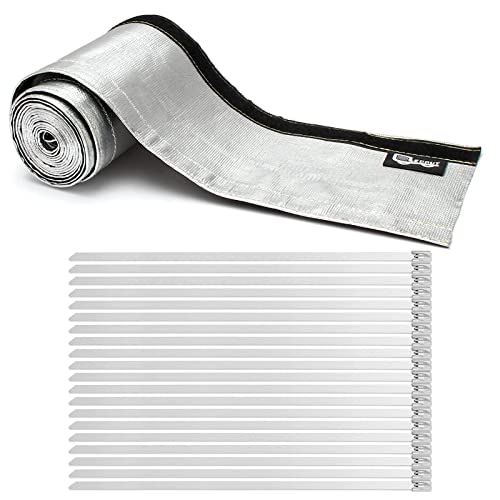
The 1-1/4″ LEDAUT sleeve provides a larger inner diameter for evolving fuel line needs or bundled wiring harnesses. The aluminized layer continues to deliver reflective heat protection, while the glass fiber substrate maintains structural integrity under high heat. The kit includes sturdy stainless steel cable ties to secure the sleeve around complex routes and existing hoses. The product’s multi-diameter approach supports mixed-use installations such as fuel lines alongside spark plug wires and A/C hoses.
Installation considerations include confirming an exact sleeve diameter against the target line to minimize slack. The hook-and-loop closure should be fastened securely to hold the sleeve in place, especially in vibration-prone engine compartments. This option is well-suited for vehicles with additional heat sources near fuel routing paths or in high-temp climates where radiant heat exposure is sustained.
Design Engineering Vapor Block Fuel Line Sleeve

Design Engineering’s Vapor Block sleeve is a universal-fit solution designed to prevent vapor lock by blocking radiant heat transfer. Its split design with an adhesive flap allows installation without disconnecting fuel lines, which speeds up installation in tight engine bays. The sleeve purposefully blocks heat from the fuel rail and injectors to maintain performance and reduce hot-soak issues during heavy operation or in high-temperature environments.
This sleeve is commonly used on fuel lines, hoses, and cables that run near sources of radiant heat. The automotive enthusiast community frequently cites its quick-install capability and dependable insulation as key advantages. If you seek a non-disruptive upgrade that improves reliability without extensive disassembly, this vapor-block solution is a strong contender.
Insulation Heat Shielded Fire Thermo Armor Sleeve

XINPENGLIU’s silicone-coated fiberglass sleeve provides a high level of heat resistance and flexibility. Rated for continuous exposure up to 800 degrees F and intermittent peaks around 2200 degrees F, it protects fuel lines, hoses, and wiring bundles from heat and abrasion. The silicone coating adds protection against oil, chemicals, and weathering, while remaining pliable for easy routing around tight engine components. This sleeve is suitable for under-hood protection where elevated temperatures are common and environmental exposure is variable.
Applications include fuel lines, hydraulic lines, and wiring harnesses that run near exhaust components or turbochargers. The silicone outer layer makes cleaning straightforward and reduces friction during installation. Maintenance considerations include periodic inspection for delamination or wear in areas with constant vibration or heat cycling.
Buying Guide: Key Purchase Considerations
- Material and temperature rating: For fuel lines, choose sleeves with high temperature resistance and chemical/dirt protection. Aluminized glass fiber or silicone-coated fiberglass provide durable heat reflection and insulation.
- Diameter and length compatibility: Match the sleeve ID to your fuel line or wire size. Many kits offer multiple diameters—verify the best fit before purchasing.
- Installation method: Split sleeves with hook-and-loop closures enable quick, tool-free installation in tight spaces. Consider whether you prefer adhesive flaps or zip ties for routing stability.
- Heat source proximity: If lines run near exhaust or turbochargers, prioritize sleeves with higher heat tolerance and reflective properties to minimize vapor lock risk and protect wiring.
- Durability and environment: Engine bays experience vibration, oil, and road grime. Look for abrasion resistance, chemical resistance, and ease of cleaning when choosing a sleeve.
- Ease of integration: Some products come with zip ties or mounting accessories. Ensure compatibility with existing clamps and harness routing in your vehicle.
- Replacement and maintenance: Consider sleeves that are easy to inspect for wear and replace when necessary to maintain optimal protection over time.
- Brand and warranty: Reputable brands with documented performance and user feedback can reduce risk. Check for warranty details where available.
In selecting the best heat shield for fuel lines, assess your vehicle’s layout, the diameter of lines to protect, and the level of heat exposure. For quick installations in tight spaces, split sleeves with hook-and-loop closures are advantageous. For high heat environments, silicone-coated or aluminized options offer stronger protection against radiant heat and chemical exposure. When in doubt, pairing a primary sleeve with robust cable ties or clamps can provide additional route stability and longevity.