Answering the common buyer question: which spark plug defouler and oxygen sensor plugs best protect your ignition system and maintain optimal exhaust sensing? This guide highlights five top Amazon options, focusing on reliability, compatibility, and ease of installation. The picks are suited for DIYers seeking to prevent spark plug fouling, seal oxygen sensor threads, or replace sensor plugs with durable materials. For fast reference, see the brief product comparison table below.
| Product | Best For | Key Benefit |
|---|---|---|
| Dorman 42002 Spark Plug Non-Foulers | Vehicles needing spark plug life extension | Direct replacement, durable construction |
| Lisle 12230 Oxygen Sensor Thread Chaser | Owners needing clean sensor threads | Thread cleaning before sensor install |
| HOHNNYREET O2 Sensor Plug (4 Pcs) | Comprehensive sensor sealing kits | 304 stainless, copper o-rings |
| Rrina 4Pcs O2 Sensor Plugs | Durable, sealed sensor bypass | Thick 304 steel, sealing ring |
| Figpade Sensor Plugs (2 Pcs) | Sealing and compatibility across systems | Stainless steel, multi-pack |
Dorman 42002 Spark Plug Non-Foulers
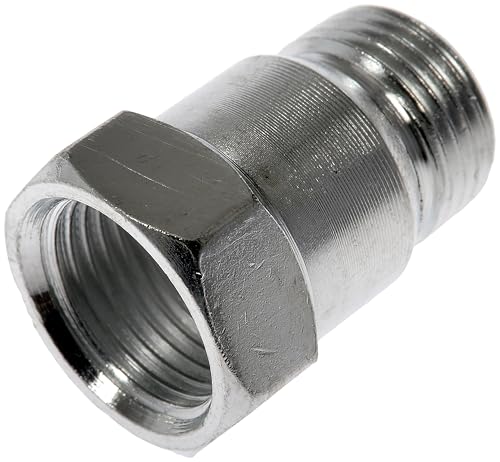
The Dorman 42002 Spark Plug Non-Foulers are designed as a direct replacement to protect spark plugs from fouling and damage on select models. Best for DIYers who need a reliable, low-maintenance solution to extend spark plug life and guard against corrosive buildup. The tapered 18 mm seat provides compatibility with various engines and helps maintain proper spark gap. A caution: ensure correct model fitment before installation, as non-foulers must match your vehicle’s thread size and seating style.
Who it’s best for: car owners facing fouling risks in environments with fuel additives or rich air-fuel mixtures. Why chosen: robust construction and straightforward replacement support long service life. Better for vehicles identified as needing a non-fouler solution rather than universal use. Limitation: not all models will accept 18 mm tapered seats; verify thread specs to avoid install issues.
Lisle 12230 Oxygen Sensor Thread Chaser

The Lisle 12230 Thread Chaser is designed to clean threads in oxygen sensor holes. It fits a 3/4″ hex socket or a 3/8″ square drive and accommodates M18x1.5 threads, which are common for O2 sensors and some spark plugs. Best for owners performing preventive maintenance or preparing a sensor installation. Caution: use anti-seize during reinstallation to prevent thread binding and seizure in high-heat environments.
Who it’s best for: shop owners or DIYers performing repeated sensor work or thread maintenance. Why chosen: simple, low-cost tool that prevents cross-thread damage and ensures solid installation. Limitation: primarily a threading tool, not a plug or sensor replacement component; requires compatible socket size.
O2 Oxygen Sensor Plug (4 Pcs)

HOHNNYREET offers 4 stainless steel M18-1.5 oxygen sensor plugs with copper O-rings. Best for multi-sensor sealing needs or temporary plugs during maintenance. The 304 stainless steel construction ensures corrosion resistance and durability in high-temperature exhaust environments. A note: verify thread compatibility with your vehicle before use, as some sensors require precise sealing and gasket specifications.
Who it’s best for: owners needing a bulk set of sensor plugs for ongoing maintenance or repair projects. Why chosen: universal M18-1.5 thread and copper O-ring provide reliable sealing. Limitation: copper rings can degrade if overheated or subjected to aggressive chemicals; check sealing requirements for your application.
Rrina 4Pcs O2 Sensor Plugs

Rrina’s 4-pack of O2 sensor plugs uses thick 304 stainless steel, designed for durability and corrosion resistance. Thread size is M18, length 12 mm, with a sealing ring included for tight seals. Best for those needing strong, rust-resistant plugs to bypass or seal sensors during maintenance. Caution: confirm the exact length and thread to avoid poor fitment or leaks in the exhaust system.
Who it’s best for: users seeking durable, sealed bypass plugs for oxygen sensors in demanding environments. Why chosen: robust stainless steel and included sealing ring improve longevity and reliability. Limitation: not all vehicles tolerate longer plugs or certain sleeve dimensions; double-check installation depth and clearance.
Figpade Sensor Plugs (2 Pcs)

Figpade provides a two-pack of sensor plugs with M18x1.5 threads and inner hexagonal head. Includes two O-ring washers for effective sealing. Best for budget-conscious buyers needing reliable plugs to seal sensors in aftertreatment or exhaust systems. Caution: carefully measure port ID and hex size to ensure proper fit and avoid leaks or cross-threading.
Buying Guide: Key Factors To Consider
- Thread size and compatibility: Most O2 sensor plugs use M18x1.5; verify your vehicle’s sensor thread before purchase.
- Material durability: Stainless steel (304) offers corrosion resistance and heat tolerance; avoid cheaper alloys for high-heat exhaust zones.
- Seal integrity: Copper O-rings or sealing rings improve the seal; ensure O-rings are compatible with exhaust temperatures.
- Intended use: Some items are direct spark plug fouler replacements, others are sensor plugs or thread chasers. Match to your maintenance goal.
- Installation considerations: Note required tools (hex head size, torque guidance) and whether anti-seize compound is recommended.
- Packaging: Bulk packs are useful for ongoing maintenance; single packs suit occasional repairs.
Frequently Asked Questions
- What is a spark plug non-fouler and when should I use one?
A spark plug non-fouler is a spacer designed to prevent fouling by keeping the spark plug slightly offset from exhaust bypass streams or contaminated gas. Use when fouling risks are identified or when you replace the original non-fouler in a compatible model.
- Are oxygen sensor plugs suitable for all vehicles?
O2 sensor plugs are designed for specific thread sizes and ports. Check your vehicle’s manual or measure the sensor port to ensure M18x1.5 compatibility.
- Do I need anti-seize on O2 sensor threads?
Using anti-seize can help prevent seizing during future removal, especially in high-temperature environments, but follow product recommendations and vehicle manufacturer guidance.
- What maintenance steps improve sensor longevity?
Regularly inspect threads for damage, clean sensor holes if necessary, and replace damaged seals promptly to maintain accurate sensor readings and engine performance.
- Can I reuse sensor plugs after removing them?
Reusing plugs is not recommended if seals or O-rings show wear. Replace with new plugs to ensure a proper seal and prevent leaks.
- Which product is best for a beginner?
For beginners, the Dorman non-fouler offers straightforward installation and clear replacement paths, while the Lisle thread chaser helps prepare threads for safe sensor mounting.