RV wheel stabilizers, or X-chocks, help prevent tire shift and sway by applying opposing forces between tandem tires. This guide highlights five highly rated options designed for American RVs and travel trailers, with attention to durability, ease of installation, and universal fit. Read on to compare how each option performs in real-world setups and choose the right stabilizer for your rig.
Summary of Selected Products
| Product | Brand | Key Benefit | Fit Range |
|---|---|---|---|
| X-Chock Wheel Stabilizer – Pair – One Handle – 28012 | BAL | Durable American-made steel; rust-resistant | 1.375″ to 10″ |
| Maxchock X-Shaped Stabilizer (XL) – 2 Pack | Maxchock | Wide fit; drill-adjust for fast setup | 10″ to 17″ |
| Lezcufer Camper Wheel Chock Stabilizer | Lezcufer | Sturdy X-shaped design with included tools | 3.5″ to 11.5″ |
| Nilight Wheel Chock Stabilizer | Nilight | All-in-one with built-in wrench | 3″ to 10″ |
| BEBOBLY Camper RV Wheel Chock Stabilizer | BEBOBLY | Heavy-duty, zinc-coated cast iron design | 3.5″ to 12″ |
X-Chock Wheel Stabilizer – Pair by BAL
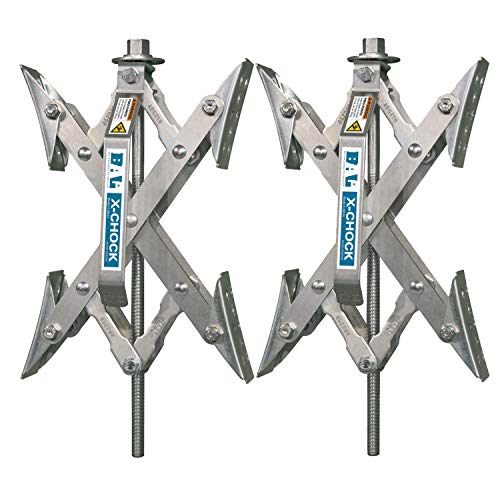
Overview: BAL’s pair wheel stabilizers are American-made from zinc-coated steel, delivering rust resistance and long-term durability. Designed to stabilize tandem tires by applying opposing force for better balance and control, they help reduce tire shift during wind or movement. The compact design fits gaps between wheels from 1-3/8″ to 10″, making them suitable for various travel trailers, fifth wheels, and RVs. The product emphasizes sturdy construction and rust-resistance for outdoor use.
Key Considerations: Durability and rust resistance are central to BAL’s value proposition here. The single-handling design helps with quick setup, though some users may seek additional leverage alternatives for certain rigs. Compatibility spans many tandem configurations, but measure your wheel gap to ensure a proper fit. The American-made aspect may appeal to buyers prioritizing domestic manufacturing and consistent quality controls.
What To Expect: A straightforward install that stabilizes two tires and helps prevent sway. This option shines in windy sites or uneven ground where small shifts can magnify over time. If you frequently swap between rigs or travel with multiple trailers, this BAL model provides a reliable, compact stabilization solution.
Maxchock X-Shaped RV Stabilizer – Dual Axel

Overview: The Maxchock X-Shaped Stabilizer is designed for quick, drill-assisted installation between tandem tires. It emphasizes time savings with a drill bit included for rapid setup, reducing the need for hand cranking. The universal fit extends from 3.5″ to 11.5″ between tires, accommodating a wide range of travel trailers, Class A motorhomes, fifth wheels, and more. This model is available as a 2-pack for dual-axle configurations.
Key Considerations: Drill-assisted installation can significantly speed stabilization, but requires access to a power drill and a bit compatible with your hardware. The adjustable range broadens compatibility, which is especially useful for older or uniquely spaced trailers. Users should verify that their spacing falls within the 3.5″–11.5″ range and ensure a secure drill setup in their campsite environment.
What To Expect: Expect a fast, repeatable setup that reduces logistical effort during set-up and tear-down. The wide fit range supports most RVs and trailers, providing reliable stability when parked on uneven surfaces. If you’re frequently changing rigs or need a second stabilizer for a twin-axle layout, Maxchock offers a scalable solution.
Lezcufer Camper Wheel Chock Stabilizer (2 Sets)

Overview: Lezcufer provides a two-set kit with a ratchet wrench, a socket adapter, gloves, and a storage bag. The rugged X-shaped stabilizers exert opposing force across tandem tires to optimize weight distribution and stability, with a focus on straightforward installation between the tires. The included tools are intended to streamline setup and grip during tightening.
Key Considerations: The bundled tools can simplify initial setup, especially for campers who prefer a complete kit. The X-shaped design is proven for even weight distribution, contributing to stable parking on uneven terrain. As with other kits, confirm the gap between tires falls within the product’s 3.5″–11.5″ range for optimal performance.
What To Expect: Expect a complete solution that bundles stabilizers with essential installation tools. The kit is geared toward campers seeking an all-in-one approach, potentially reducing the need to source separate wrenches or sockets. Durability should be adequate for outdoor camping conditions given steel construction and protective coatings.
BAL 28010 X-Chock Tire Locking Chock

Overview: BAL presents the 28010 X-Chock with heavy-duty steel construction and easy ratchet operation. This model is designed for tandem axle trailers and RVs, focusing on secure locking mechanisms and stable support. The included features mention a foot pad for a 2,000 lb tongue jack, reinforcing the product’s stability capabilities during setup and operations at the campsite.
Key Considerations: The emphasis on locking and a robust foot pad suggests strong stabilizing performance in challenging conditions. The model appears targeted toward those who prioritize stronger locking behavior and a solid anchor for their dual-axle configurations. Confirm compatibility with your trailer’s dimensions to ensure proper fit and performance.
What To Expect: A stable and secure setup with straightforward ratchet-based adjustment. The rugged construction helps resist wind and ground shifts, making it a solid pick for frequent campers who rely on reliable stabilization across various sites.
BEBOBLY Camper RV Wheel Chock Stabilizer

Overview: BEBOBLY offers heavy-duty X-shaped wheel chocks with a zinc-coated finish to withstand outdoor exposure. The kit includes two stabilizers and a wrench, designed to prevent tire movement by exerting opposing forces on tandem tires. The raised rib design enhances grip on tires for better friction and stability on uneven grounds.
Key Considerations: The durable cast-iron construction paired with corrosion resistance makes this option appealing for long-term outdoor use. The kit’s extra grip and anti-move design help in wind-prone or soft-ground sites. As with others, verify the visualized gap between tires (3.5″–12″) to ensure compatibility with your RV or trailer.
Buying Guide: Key Purchase Considerations
Factors to compare when choosing X-chocks for an RV include fit range, material durability, installation method, and whether the kit includes tools. Durability matters for outdoor use across seasons, so steel with rust-resistant coatings is desirable. Consider how you install the stabilizers: manual ratchet, wrench, or drill-assisted models offer different setups and time savings. For dual-axle trailers, ensure the product supports wider gaps, while narrower gaps require compact chocks with precise clearance. If you travel frequently or vary rigs, look for universal range coverage and kit completeness (tools included) to minimize extra purchases.
Fit range and compatibility: Most products here cover a broad spectrum from roughly 3″ to 12″ between tires; always measure your trailer’s wheel spacing before purchase. For RVs with unusual wheel gaps, models advertising 10″–17″ or 3.5″–12″ offer greater flexibility.
Ease of use: Drill-assisted or wrench-inclusive kits speed installation, but require appropriate tools and space at the site. Manual chocks may be lighter and simpler, but could require more effort during setup. Battery-free options may appeal to minimalist campers, whereas power-tool-enabled models suit frequent campers or those who value speed.
Security and safety: Look for locking features or password-secure holes if you’re concerned about theft or tampering. Models that offer anti-move designs and raised grippable surfaces help retain stability on slopes or loose gravel.
Durability and maintenance: Zinc-coated steel and cast-iron designs resist rust and corrosion, extending the life of stabilizers used in harsh outdoor environments. Regular inspection for wear on the contact surfaces and tightening mechanisms is advisable to maintain performance over time.
Cost versus value: While price is a consideration, the long-term reliability and ease of installation can yield better value. For RVers who camp in diverse locations, investing in a versatile stabilizer with a wide fit range and durable construction can reduce setup time and improve stability across trips.