Top picks for a 150/80-16 motorcycle tire include models that balance mileage, wet and dry grip, and a comfortable ride. This guide targets riders seeking reliable rear tires for cruisers and touring bikes. Each featured tire is suited for riders who value stability on highways, predictable handling in curves, and good wear life. The list below highlights five strong choices, with who they’re best for and why they stand out.
| Product | Brand | Wheel Size | Best For | Key Benefit |
|---|---|---|---|---|
| Dunlop D404 150/80-16 Rear Tire | Dunlop Tires | 150/80-16 | Sporty touring and older Harley models | Balanced mileage and wet grip for versatile riding |
| GarveeTech 150/80-16 Rear Tire | GarveeTech | 150/80-16 | Street and touring riders | Strong grip and durability with smooth ride |
| Shinko SR777 HD Black Wall | Shinko Motorcycle Tires | 150/80-16 | Long-distance cruisers | Aramid belt and durability for extended rides |
| Kenda Kruz K673 | Kenda | 150/80-16 | All-weather cruising | Deep grooves for stability in various conditions |
| Michelin Commander II | MICHELIN | 150/80-16 | Cruiser touring with longevity | High mileage and stable handling |
Dunlop D404 150/80-16 Rear Tire
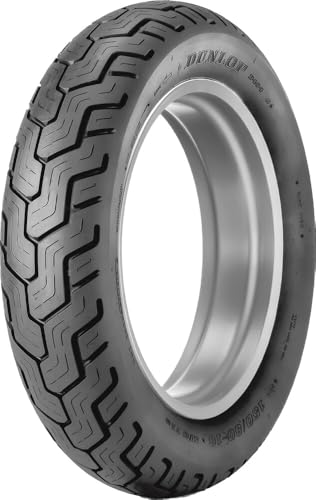
The Dunlop D404 rear tire features a tread compound that balances mileage and grip, with front and rear patterns designed for effective water evacuation and wet grip. Its bias-ply construction supports load-carrying capacity and delivers a smooth ride for comfort. Best for riders seeking predictable handling on mixed-road conditions and adaptable performance for cruiser setups. Caution: not recommended for Harley-Davidson models in some older fitments; verify compatibility with your bike year and model.
GarveeTech 150/80-16 Rear Tire

GarveeTech emphasizes grip and durability with a deep tread and a bias design, offering reliability in wet or dry conditions. The 25.4 inch overall diameter supports high-mileage riding on touring paths. It is best for riders who want sturdy performance for daily commuting and long road trips. Limitation: the tire’s performance claims are generalized; actual results may vary by bike weight and riding style.
Shinko SR777 HD Black Wall

Shinko SR777 HD uses rugged aramid belting and a reinforced carcass for long-distance stability and wear life. It is best suited for riders who rack up highway miles on cruisers and touring bikes. Choose this if you prioritize longevity and strong load handling. Limitation: heavier weight may influence acceleration feel on lighter bikes.
Kenda Kruz K673

The Kruz K673 front/rear tread variation focuses on deep grooves for all-weather cruising and updated shapes for better straight-line stability and cornering. Best for riders seeking predictable handling in varied weather. Choose this if you want a cost-effective option with balanced performance; avoid if you ride exclusively in extreme, high-speed conditions where sport-tuned tires excel more.
Michelin Commander II

The Commander II delivers longevity and stable handling through Michelin Amplified Density Technology and aramid reinforcement. It is best for cruiser riders who want dependable mileage without sacrificing stability at highway speeds. Limitation: higher wear resistance may come with a firmer ride feel on rough roads.
Dunlop D404 Rear Tire
The Dunlop D404 rear tire covers a broad size range and provides a balance of mileage and grip. It’s not recommended for Harley-Davidson motorcycles in some older fitments. Best for riders with a wider model compatibility goal and who prioritize reliable water evacuation and wet grip in cruising contexts.
Buying Guide
What should you consider when choosing a 150/80-16 tire?
- Riding style: Cruiser comfort, touring stability, or daily commuting?
- Weather and road conditions: Need strong wet grip or all-weather performance?
- Durability vs. ride feel: Do you prioritize long tread life or a softer ride?
- Bike compatibility: Confirm model year fitment, especially for older bikes or Harley models.
- Load capacity and bias-ply construction: Ensure the tire can handle your bike’s weight and intended loads.
What about wear life and mileage?
4PR bias-ply tires with reinforced carcasses typically offer longer mileage and stable handling on long trips. Aramid belting improves durability and resistance to deformation under load, which is helpful for heavy touring bikes.
Which tire should I choose for wet conditions?
Tires with deeper tread patterns and optimized water evacuation provide better wet grip. Most options in this list emphasize tread design for water shedding and consistent traction on wet roads.
Are there any notable fitment cautions?
Some models have fitment caveats for certain marques or years. Always verify compatibility with your motorcycle’s exact year, model, and wheel sizing before purchase. If unsure, consult your tire retailer or the bike’s manual.
Should I prioritize mileage over grip?
Many cruiser tires balance both, but if you ride aggressively in curves, you might favor a tire with enhanced grip even if it sacrifices some mileage. For long highway trips, prioritizing durability and stability can pay off with fewer replacements.
How does bias-ply compare to modern radial tires?
Bias-ply tires optimize load distribution for classic cruisers, often delivering a comfortable ride at cruising speeds. Radial tires can offer improved grip and steering precision but may have different compatibility constraints with certain older models.
FAQ
- Q: Is 150/80-16 a common size for cruisers? A: Yes, it is a standard rear tire size for many cruiser and touring motorcycles.
- Q: Which tire lasts the longest? A: Among these, Michelin Commander II is noted for high mileage in cruiser applications.
- Q: Can I mix tire brands on the front and rear? A: In most cases, mixing brands is not recommended due to handling imbalances; ensure compatibility with your bike and riding style.
- Q: Do these tires affect my bike’s speedometer accuracy? A: Tire circumference varies by model; some riders notice small changes in speedometer readings after tire changes.
- Q: Are these tires tubeless? A: Several listed options are tubeless street tires; verify the specific model if tubeless compatibility is required by your wheel design.
- Q: Which tire is best for daily commuting? A: GarveeTech and Shinko SR777 HD are strong all-around choices for daily street use and longer commutes.