Finding the right 4 lug racing rims involves balancing fitment, durability, and style for both street and track applications. This guide highlights five well-rounded options, with clear indications of who each wheel is best for, and practical notes on fit and installation. Whether you’re building a lightweight race car, upgrading a street racer, or sourcing a reliable set for weekend track days, these picks cover a range of bolt patterns, backspacings, and finishes to help you choose confidently.
Buyer types overview: the Speedway Motors set targets durable steel wheels for budget-conscious racers; Aero 55-184020 suits oval track enthusiasts who want sturdy steel with precise lug requirements; American Racing Torq Thrust II appeals to classic wheel lovers seeking a polished look; Vision 469 Boost is a good match for late-model builds needing reliable 4×100 fitment; Enkei J10 offers a lightweight, performance-oriented alloy option for 4×100/114.3 patterns. The table below summarizes key details for quick comparison.
| Product | Wheel Size / Bolt Pattern | Material / Finish | Best For |
|---|---|---|---|
| Speedway Motors Bassett 15×7 | 15×7, 4×100 | Steel, Black powder coat | Budget racing and street stock |
| Aero 55-184020 15×8 | 15×8, 4×100 | Steel, Black powder coat | Oval track racing |
| AMERICAN RACING Torq Thrust II 15×4 | 15×4, 5×4.75 | Polished finish | Classic hot rod styling |
| Vision 469 Boost 15×6.5 | 15×6.5, 4×100 | Silver finish | Modern 4×100 builds |
| Enkei J10 16×7 | 16×7, 4×100/114.3 | Alloy, silver with machined lip | Performance street and light track |
Speedway Motors Bassett 15×7 DOT D-Hole Steel Racing Wheels

Wheel Size & Specs: 15×7; Backspace 4 inches; 4×100 bolt pattern for racing and street stock fitment. Steel construction with a durable black powder coat provides long service life. DOT approved for legal street use where applicable. Best for budget racers needing durable, easy-to-maintain wheels.
Best for: budget-minded racers and street stock builds requiring a sturdy, DOT-approved 4×100 wheel.
Limitations: Steel wheels can be heavier than alloy options, which may impact unsprung weight and acceleration cues. Ensure proper backspacing for your vehicle’s fenders and brakes.
Aero 55-184020 55 Series 15×8 4-lug Wheel

Wheel Size & Specs: 15×8; 4×100 bolt pattern; 2 inch backspace. Sturdy steel with black powder-coated finish. Noted as highly recommended for oval track use with specific lug nut requirements. Best for drivers who race on ovals and want a consistent, robust wheel with straightforward maintenance.
Best for: oval track racers needing a dedicated 4×100 steel wheel with a defined backspace and lug requirements.
Limitations: Requires 1″ O.D. lug nuts with 45-degree taper for proper fitment; not ideal for mixed-performance setups without confirming compatibility.
AMERICAN RACING Torq Thrust II Rim 15×4
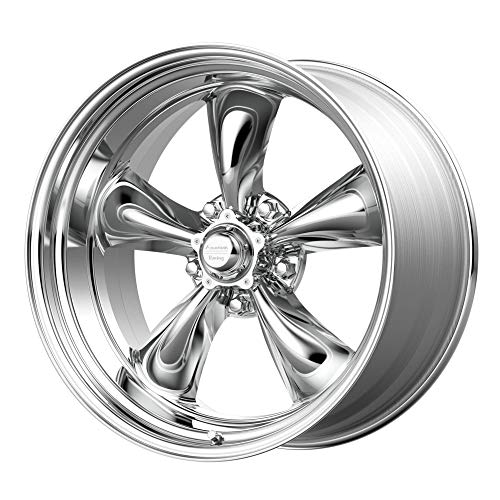
Wheel Size & Specs: 15×4; 5×4.75 bolt pattern. Polish finish adds a classic look for hot rods and vintage builds. Includes warnings about vehicle year and model data for correct fitment; lugs are not included. Best for: enthusiasts seeking a traditional, polished five-lade style wheel for classic cars.
Limitations: Fitment guidance is essential; wrong vehicle data can incur restocking fees. Check vehicle year, make, and model to ensure correct fitment before purchase.
Vision 469 Boost 15×6.5 4×100 Wheel
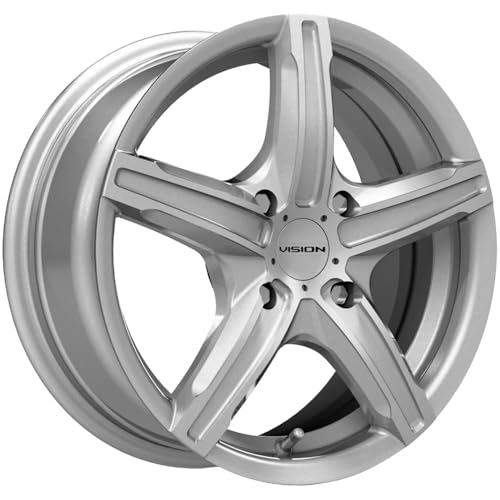
Wheel Size & Specs: 15×6.5; 4×100 bolt pattern; +38mm offset; center bore 73.1mm; backspacing 5.25 inches. Silver finish with a reliable Vision Boost series profile. Best for: modern 4×100 builds needing a balanced mix of weight and clearance for performance tires.
Limitations: Offset and backspacing should be matched to the brake caliper clearance and fender setup to avoid rubbing at full suspension travel.
Enkei J10 16×7 Wheel
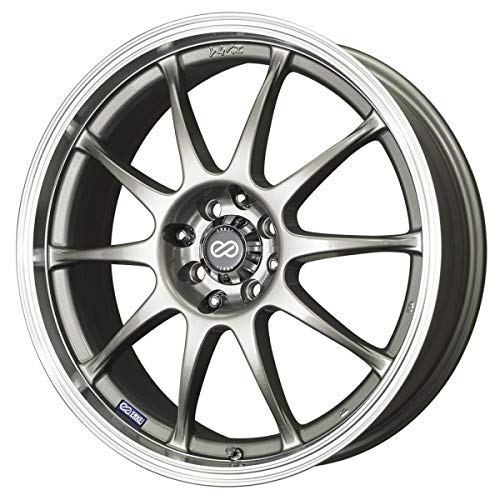
Wheel Size & Specs: 16×7; 4×100/114.3 bolt pattern; 42mm offset; silver with machined lip. Alloy construction aimed at reducing weight while preserving strength. Best for: performance-oriented street setups and light track use where weight savings matter.
Limitations: Larger wheels can affect ride comfort and require proper tire choices to maintain handling balance. Ensure tire sidewalls and suspension clearances are suitable for 16×7 in your car.
Buying Guide
What fitment should I confirm before buying 4 lug rims?
Always verify bolt pattern (4×100 or 4×114.3), center bore size, and backspacing/backspacing to ensure compatibility with your brakes, suspension, and fenders. If you race, confirm DOT status for street legality where required.
Steel vs. alloy: which is better for racing rims?
Steel rims are typically more budget-friendly and durable in rough conditions, making them common in budget racing and oval tracks. Alloy rims are lighter, offering performance benefits on performance street builds or light track use.
How do I choose the right backspacing?
Backspacing affects wheel clearance with a vehicle’s springs, brakes, and fenders. A deeper backspace moves the wheel inward, reducing the chance of rubbing. Match backspacing to your car’s fender clearance and tire width.
What about lug nuts and lugs included?
Some listings omit lugs or specify special lug nuts. Always confirm what’s included and, if needed, purchase compatible lugs with the correct thread pitch and taper.
Do I need to consider offset for modern cars?
Yes. Offset affects track width and wheel clearance with calipers and suspension. Incorrect offset can cause rubbing or steering changes. Use the manufacturer’s guidance and fitment data when possible.
FAQ
- Q: Are 4 lug rims common on modern performance cars? A: They are common on older or budget-friendly builds; always verify bolt pattern and offset for your specific vehicle.
- Q: Can I use 4×100 rims on a 4×114.3 vehicle? A: No, without adapters or modifications, as bolt patterns are incompatible.
- Q: Is a polished or machined lip better for performance? A: Alloy wheels with machined lips often balance weight and aesthetics for performance driving, but finishing varies by model.
- Q: Do I need new lug nuts when changing rims? A: Often yes, to match the correct thread pitch and taper; verify with the wheel specification.
- Q: Will a 15×8 wheel fit on a small sedan? A: It depends on backspace and tire width; confirm fitment with car-specific data before purchasing.
- Q: Can raw steel wheels rust? A: The black powder coat on steel rims reduces corrosion and extends service life in harsh environments.