Looking to improve daytime privacy, reduce heat, and protect your car’s interior? This guide highlights five top auto glass tint products and kits that are easy to install and tailored for different needs. Best for DIY enthusiasts, budget shoppers, and those seeking ceramic or carbon film finishes, these picks balance glare control, UV protection, and clarity. Below, you’ll find concise product reasons, who they’re for, and practical cautions to guide your choice.
| Product | Brand | Approx. VLT (If Available) | Notes |
|---|---|---|---|
| Vepagoo Ceramic Car Window Tint Film, 15% VLT, 20″ x20FT | Vepagoo | 15% | Ceramic nano-film; one-way daytime privacy; minimal signal interference; heat and glare reduction. |
| PAMAGOO Window Tint Car 35% VLT, 20″ x20′ Ceramic Window Roll | PAMAGOO | 35% | Ceramic coating; straightforward installation; strong UV and infrared blocking. |
| RockRose 20% Premium Carbon Car Window Tint Film 20 in x 10FT | RockRose | 20% | 2-Ply carbon film; high UV block; glare reduction; rich black finish. |
| SINGARO Car Window Film Kit, 5PCS Tools | SINGARO | N/A | Comprehensive tinting tool kit; supports precise installation and finishing touches. |
| DIYSELF 18 Pcs Window Tint Kit, Vinyl Wrap Tool Kit | DIYSELF | N/A | All-in-one professional tinting toolkit; includes blades, squeegees, and cutters. |
Vepagoo Ceramic Window Tint Film — 15% VLT
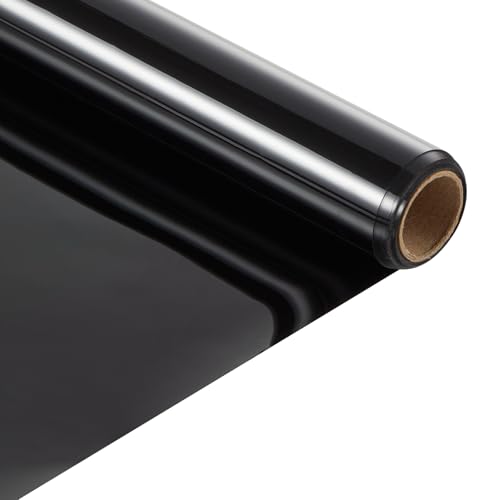
Best for daytime privacy with clear outward visibility. This ceramic film provides one-way perception during the day, allowing you to see out while limiting exterior views for added security. It uses nano-ceramic composition to avoid interfering with GPS, phones, or other wireless signals, which is advantageous for drivers relying on navigation and hands-free devices. The tint also effectively cuts infrared heat and reduces glare from headlights and the sun, helping keep the cabin cooler and more comfortable.
Who it’s best for: drivers seeking strong privacy and signal compatibility, especially in urban or high-traffic areas. Why selected: the combination of 15% VLT, daytime clarity, and heat/glare reduction makes it a balanced, all-purpose film. Caution: as with any darker tint at 15% VLT, visibility during nighttime can feel more limited; ensure local window tint laws are observed.
Windex Automotive Window & Glass Cleaner

While primarily a cleaner rather than a tint product, this option is included for those seeking a safe cleaner compatible with tinted windows. It promises streak-free shine and is designed to be safe on tinted interiors and exteriors. This product is best used after tint installation for maintaining clarity without leaving residues that could attract dust or reduce visibility.
Who it’s best for: car owners who want a reputable cleaner to maintain glass upgrades. Why selected: compatibility with tinted windows and a streak-free finish support long-term clarity. Caution: avoid using on non-clean glass that may have damaged coatings; test on a small area if unsure.
PAMAGOO Window Tint Car 35% VLT

Best for a balanced look with substantial UV protection and heat control. The 35% VLT offers solid daytime privacy while preserving outward visibility. The film uses a ceramic coating that enhances resistance to fading and wear, with a focus on straightforward installation supported by a manual and video. This option is well-suited for drivers who want a professional appearance without excessive darkness.
Who it’s best for: owners who prioritize a classic tint appearance combined with effective UV shielding. Why selected: ceramic performance and a user-friendly installation approach. Caution: 35% VLT may still require professional precision during installation on curved or irregular windows to avoid air bubbles.
RockRose 20% Premium Carbon Window Tint Film

Best for strong UV protection and a refined, stealthy appearance. This carbon-based film blocks up to 99% of UV rays and reduces infrared radiation by as much as 55%, helping to keep interiors cooler. The 20% shade provides a noticeable but not overwhelming level of privacy, with a sleek black finish that enhances a car’s look. It’s particularly suitable for drivers who want high heat reduction with a subtle, professional appearance.
Who it’s best for: enthusiasts seeking high UV/heat protection and a bold aesthetic. Why selected: superior UV and infrared blocking with a durable carbon layer. Caution: dark shades can reduce night visibility; ensure compliance with local tint laws and proper installation technique to avoid edge lifting.
SINGARO Window Tint Kit — 5 Tools
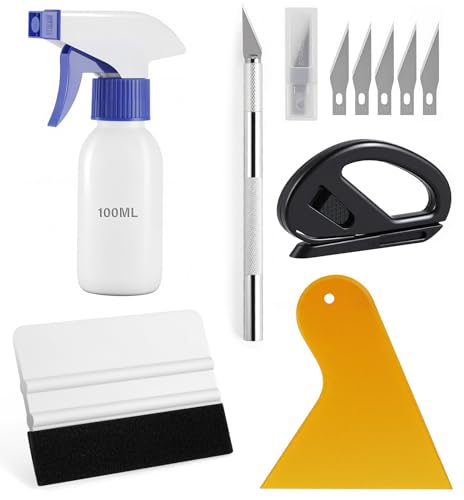
Best for complete tinting projects from start to finish. This kit includes squeegees, a soft cloth, cutter, and a spray bottle, plus spare blades. The tools support precise window film installation and finishing, making it a solid choice for DIYers who want better control over results and reduced risk of air bubbles. A note: the kit focuses on tools rather than film performance itself.
Who it’s best for: DIYers and hobbyists who want a full toolkit for tinting tasks. Why selected: comprehensive assortment that covers cutting, smoothing, and prepping. Caution: tools alone do not guarantee film compatibility; choose tint film that matches your window tint film and installation needs.
DIYSELF 18 Pcs Window Tint Kit
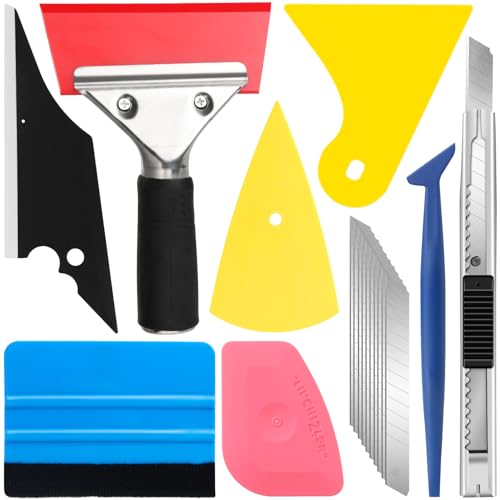
Best for a complete car wrap and window tinting project, offering an extensive set of tools for professionals and ambitious DIYers. The kit includes multiple squeegees, a professional-grade utility knife, blades, and a spray bottle. The breadth of tools supports efficient workflow, precise trimming, and bubble-free results. It’s a strong choice when you plan to tint multiple windows or undertake a full wrap.
Who it’s best for: serious DIY tinkerers and professional car detailers. Why selected: broad tool selection that enables accurate installation across various window shapes. Caution: heavier toolsets may require storage space and care to prevent misplacing parts during a project.
Buying Guide: Key Considerations For Auto Glass Tint Windows
- Tint Type: Ceramic films offer signal compatibility and heat reduction, while carbon films emphasize UV blocking and a deep finish. Consider your priorities: privacy, heat control, or aesthetics.
- Shade (VLT): Lower VLT values create darker windows and greater privacy but may affect night visibility. Check local regulations before choosing a tint shade.
- Installation: DIY tinting requires careful preparation, cutting accuracy, and bubble-free application. Kits with comprehensive tools (like SINGARO and DIYSELF) help, but professional installation can ensure a flawless finish on curved glass.
- Heat and Glare Reduction: If cabin comfort is paramount, prioritize films with high infrared rejection. Ceramic and certain carbon films excel here.
- Signal Interference: Ceramic films are typically non-conductive and do not interfere with GPS, radios, or mobile devices—an important factor for modern vehicles.
- Durability and Maintenance: Look for scratch resistance, fade resistance, and compatibility with cleaning products. Avoid cleaners that can degrade tint films; use tint-safe products when possible.
- Tools and Accessories: For DIY projects, select kits that include cutting blades, squeegees, and installation guides. Having the right tools reduces errors and improves results.
Frequently Asked Questions
- Q: What is the difference between ceramic and carbon window tint films? A: Ceramic films typically offer better signal compatibility and heat rejection without metal, while carbon films emphasize UV and infrared blocking with a distinct finish. Both reduce glare and provide privacy, but performance varies by brand and shade.
- Q: Is 15% VLT legal in most places? A: Tint laws vary by state and jurisdiction. While 15% provides strong privacy, confirm local regulations before installation to avoid fines or required removal.
- Q: Can I install tint myself, or should I hire a pro? A: DIY tint kits with tools can yield good results for flat surfaces, but complex curves or existing film removal may warrant professional installation to ensure a smooth, bubble-free finish.
- Q: Will tint affect my car’s GPS or phone signals? A: Ceramic and nano-ceramic films are designed to minimize signal interference, making them suitable for devices and navigation systems.
- Q: How should I maintain tinted windows? A: Use tint-safe cleaners and soft microfiber cloths. Avoid ammonia-based cleaners on tinted glass, as they can degrade film over time.
- Q: What should I consider when choosing a kit? A: Look for included blades, squeegees, and installation instructions. A complete kit reduces the need to source tools separately and improves the likelihood of a clean result.