Choosing the right foam padding for auto upholstery helps chairs and car seats look fresh and perform better. This guide identifies five suitable options, explains who they’re best for, and highlights key considerations like density, thickness, and cut-to-fit ease. Ideal buyers include DIY enthusiasts, automotive restorers, and professional upholsterers seeking durable, easy-to-work-with foam for seat cushions, headrests, or interior panels. The following table compares core specs to help you decide at a glance.
| Product | Best For | Size | Density / ILD | Materials |
|---|---|---|---|---|
| GoTo Foam 1″ x 24″ x 72″ | Seat cushions and bench padding | 1″ x 24″ x 72″ | 1.8 density / 44 ILD | Open-cell polyurethane |
| FoamTouch 1″ x 24″ x 84″ | General upholstery sheets | 1″ x 24″ x 84″ | High density | Polyurethane foam |
| FOAMYFOAM High Density 1″ x 24″ x 72″ | Long-lasting seat replacements | 1″ x 24″ x 72″ | 1.8 density / 44 ILD | High-density polyurethane |
| Patelai Cushion Sheet 79″ x 16″ x 0.4″ | Thin cushioning layers and layering | 0.4″ x 16″ x 79″ | High density | Firm foam |
| JZHLLA Upholstery Foam 72″ x 24″ x 3″ | Memory plus supportive foam blends | 3″ thick | Memory foam with high-density base | Memory + high-density foam |
GoTo Foam 1″ Upholstery Foam Sheet
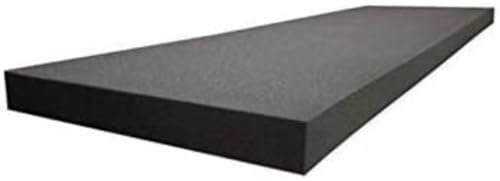
Best for seat cushions and bench padding, the GoTo Foam sheet offers a balanced 1.8 density with 44 ILD. It’s described as not too soft and not too stiff, making it a versatile option for automotive seats, cushions, and interior panels. It resists stains and impacts, helping maintain appearance in demanding environments. It cuts easily with standard knives for clean, professional edges—useful for custom car seats or cosplay upholstery projects. Caution: open-cell foam can absorb moisture more readily than closed-cell options, so consider moisture management in humid areas.
FoamTouch 1″ Upholstery Foam Sheet
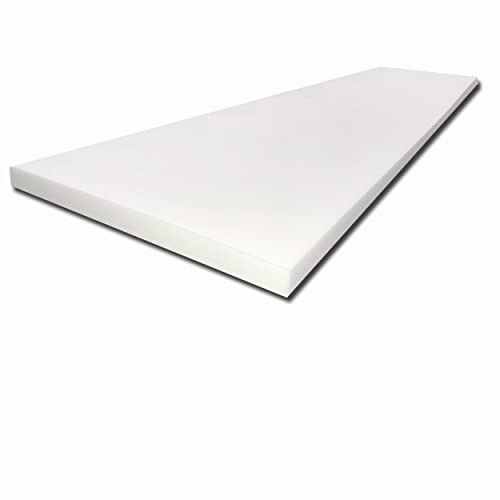
FoamTouch is best for general upholstery work where a high-density sheet is desired. The product emphasizes a 100% recovery rate, making it suitable for repeated use in seat cushions, car interior panels, and cushions that endure frequent compressions. The sheet size (1″ thick by 24″ wide by 84″ long) provides flexibility for various automotive cuts and panel wraps. Choose this if you want predictable, uniform rebound and straightforward installation. Limitation: you may need to trim and shape edges to fit curved automotive panels.
Craft Foam Hidense 1/4″ Foam for Auto Interiors

This 1/4″ closed-cell option is compact and rigid, making it well-suited for interior panels, door panels, or speaker housing where less compression is needed. Its off-white color blends with many interior tones, supporting easier aesthetic alignment. Best for auto interiors where a firm, durable layer is required without adding much thickness. Limitation: closed-cell foam can be stiffer and less forgiving on curved surfaces, so plan for contouring and shaping.
Patelai Cushion Sheet High Density Foam

Patelai offers a high-density, 0.4 inch thick cushion sheet that’s easy to cut and stack for added thickness. It’s a practical choice when you need to cover seats, cushions, or storage applications with a material that doesn’t compromise edge detail. Best for layers or small-area padding where modest thickness is acceptable. Limitation: the sheet width (79″ x 16″) may require seams or piecing to cover larger seat surfaces.
JZHLLA Upholstery Foam 3″ Thick

JZHLLA combines memory foam with a high-density base in a 3″ thick configuration, designed for cushions and seating restoration. The memory layer offers slow-rebound pressure relief, while the sturdy base maintains shape and support. This makes it a strong choice for sofa cushions and DIY projects that seek ergonomic comfort and long-term durability. Caution: thicker foam may require more complex cutting and deeper seat channels to fit existing frames.
LEEQHRRY Upholstery Batting (Extra Cushioning)

This batting is a lightweight wrap option used to cushion foam and protect covers. It adds softness and extends cushion durability while improving drape and finish on upholstery projects. Best for layered builds where extra pliability is needed without adding significant thickness. Limitation: batting does not substitute for core foam; use it as an outer protective layer rather than sole padding.
Buying Guide: Key Purchase Considerations
- Purpose and fit: Measure seat shapes and panel contours. Thicker foams provide more cushion but may require more shaping.
- Density and ILD: Higher density and ILD translate to firmer support and longer life, but can feel less forgiving for curved surfaces.
- Material type: Open-cell foams offer better energy absorption and are easier to cut; closed-cell foams resist moisture but can be stiffer.
- Ease of cutting: Look for foams that score and cut cleanly with standard knives for precise edges.
- Aesthetic integration: Color and finish should blend with vehicle interiors or upholstery palettes.
- Moisture and durability: Consider environments with humidity or frequent temperature changes; choose materials with appropriate resilience.
Frequently Asked Questions
- What foam density is best for car seat cushions? — Higher density (around 1.8) provides durable support and long-lasting comfort, reducing deformity with repeated use.
- Can I use any foam for auto interiors? — Most foams labeled for upholstery work, including memory and high-density variants, are suitable; consider fit and contour requirements for your project.
- Is memory foam needed for auto seats? — Memory foam offers conforming comfort and reduces pressure points, but a high-density base can also provide solid support without memory features.
- How thick should foam be for door panels or headrests? — Start with 1″ to 3″ options depending on the panel contour and desired plushness; thicker foam may require more shaping.
- What about moisture resistance? — Closed-cell foams resist moisture better, while open-cell foams can absorb moisture; choose based on exposure risk in your vehicle environment.
- How do I cut foam precisely? — Use a sharp knife or electric carving knife, keep a straight edge, and cut slowly to maintain clean edges and accurate dimensions.