Looking for carbon fiber components to upgrade your ride? This guide highlights five top options that balance weight, strength, and durability for different cycling styles. Best for road riders seeking light, stiff handlebars; trail riders wanting vibration damping; e-bike riders needing integrated wiring; mountain bikers chasing strength in cranks; and riders replacing a high‑quality seatpost. Below is a quick summary of the selected products to help you compare at a glance.
| Product | Category | Best For |
|---|---|---|
| Road Bike Carbon Handlebars (RXL SL) | Handlebars | Road performance, lightweight steering |
| PNW Loam Carbon MTB Handlebar | Handlebars | Enduro/descents, stability |
| OneUp Carbon E-Bike Handlebar | Handlebars | All-day comfort, e-bike integration |
| TPard Seatpost 27.2/31.6 | Seatpost | Ultralight, road and MTB compatibility |
| SRAM XX1 Eagle Crankset | Crankset | High-power MTB/enduro, stiffness |
Road Bike Carbon Handlebars by RXL SL
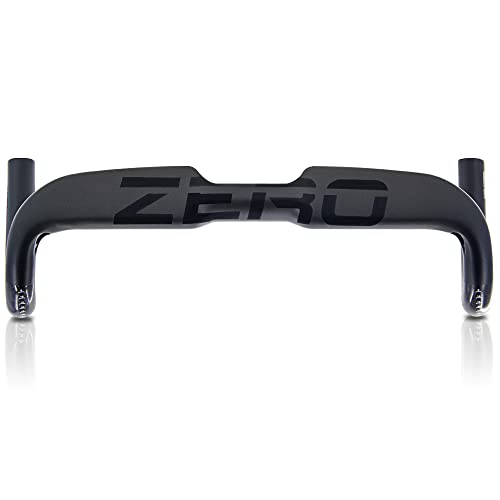
The Road Bike Carbon Handlebars from RXL SL are designed for weight-conscious road cyclists. Made from carbon fiber, they offer a lighter alternative to aluminum with a UD matte appearance and internal routing options. Weight is listed around 200-255 g depending on length, making them a strong choice for riders seeking to reduce unsprung mass without sacrificing stiffness. The bars come in 31.8 mm clamp with lengths of 400, 420, and 440 mm, and a drop of 119 mm and reach of 77 mm. Best for riders prioritizing light weight and crisp handling on paved routes. Caution: installation torque should follow the specified 4 Nm; use manual tools for accuracy.
- Best for: Road cyclists prioritizing light weight and aesthetics.
- Why chosen: Notable weight savings and internal routing support.
- Limitation: Requires careful torque control to avoid over-tightening.
PNW Loam Carbon MTB Handlebar
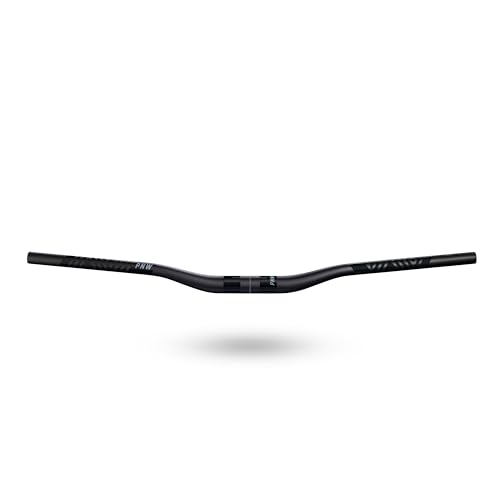
The PNW Loam Carbon MTB Handlebar is designed for aggressive trail riding with a wide 800 mm width to boost stability during descents. Its carbon layup emphasizes chatter absorption and a balanced amount of horizontal stiffness for reliable handling in challenging sections. The bar is compatible with both 31.8 mm and 35 mm stems, offering flexibility for various frame designs. Best for aggressive riders seeking steady control on technical trails. Limitation: very wide bars may feel unruly on tight urban sections; ensure your cockpit fits before purchasing.
- Best for: Mountain bikers who ride wide, stable bars on descents.
- Why chosen: Combines comfort with predictable handling in spicy sections.
- Limitation: Width may not suit all frame geometries.
TPard Carbon Seatpost 27.2/31.6

The TPard carbon seatpost is a ultralight option made from full 3K T800 carbon fiber. It weighs approximately 240 g per post and measures 350 mm in total length with a 31.6 mm diameter and a 25 mm head length. The post supports up to roughly 220 lbs and offers a zero setback design with adjustable length up to 320 mm. Best for riders who want a rigid, lightweight seatpost with straightforward sizing. Limitation: setup requires accurate internal diameter matching; verify compatibility with your frame before installing.
- Best for: Riders needing a lightweight, rigid post with simple sizing.
- Why chosen: Strong, corrosion-resistant carbon construction with clear sizing guidelines.
- Limitation: Requires precise internal diameter measurement for proper fit.
SRAM XX1 Eagle Crankset

The SRAM XX1 Eagle crankset is a high-end component designed for MTB use, featuring a carbon fiber construction with DUB technology. It emphasizes maximum power transfer and durability for demanding trails. The XX1 Eagle line includes the X-SYNC 2 chainring for quieter shifts, improved mud clearing, and wear resistance. Best for racers and aggressive riders seeking top-tier stiffness and reliable performance on climbs and sprints. Caution: compatibility with frame and bottom bracket standards should be checked before buying.
- Best for: MTB riders requiring stiffness and power transfer.
- Why chosen: Carbon construction and DUB spindle provide strong interface and durability.
- Limitation: Requires compatible frame and bottom bracket standards.
OneUp Components Carbon E-Bike Handlebar

The OneUp Carbon E-Bike Handlebar features a patented oval shape designed to reduce arm pump and hand fatigue by dampening vibrations. It is widely used across casual trail riding to world cup downhill, offering vertical compliance for long days in the saddle and precise control for high-speed descents. The bar integrates ports for e-bike controller wires with a maximum connector diameter of 6.5 mm, enabling cleaner cockpit routing. Best for riders seeking comfort with race-ready precision. Caution: ensure compatibility with your e-bike’s internal wiring layout.
- Best for: E-bike riders needing vibration damping and integrated wiring.
- Why chosen: Combines comfort with performance benefits for long rides.
- Limitation: Integration features depend on your bike’s electrical setup.
Buying Guide: Carbon Fiber Bike Components
- What should I consider when choosing carbon handlebars? Look for clamp diameter (usually 31.8 mm), overall length, drop, and reach. Also verify compatibility with your shifters and brakes and consider internal routing if you want a clean cockpit.
- Are carbon seatposts worth it for my bike type? If you prioritize weight reduction and ride quality, carbon seatposts offer stiffness and damping. Check diameter compatibility and maximum recommended rider weight to avoid excessive flex or damage.
- How important is bar width for my riding style? Trail and enduro riders benefit from wider bars for stability; road riders may prefer narrow to mid-width for precise steering. Always ensure your cockpit geometry matches your torso and stance.
- What about cranksets? Carbon cranksets focus on stiffness and weight savings. Confirm spindle size (e.g., 28.99 mm for some SRAM models) and chainring compatibility with your drivetrain. Consider chainline and bottom bracket interface for smooth power transfer.
- Do I need any special installation tools? Many carbon components require specific torque values and clean installation. Use torque wrenches, thread sealant where recommended, and inspect for proper fit and cable routing during assembly.
Frequently Asked Questions
- Q: Are carbon components weaker than aluminum? A: Carbon can be very strong when designed for the application, but it is different from aluminum and can fail under different loading. Always install per manufacturer guidelines and inspect regularly.
- Q: Can I mix carbon and alloy parts? A: Yes, but avoid mixing components where different failure modes could cause issues (e.g., clamping areas should be compatible and properly torqued).
- Q: How do I know if a carbon handlebars fits my stem? A: Check clamp diameter (usually 31.8 mm) and ensure the stem clamp is compatible with your road or MTB setup.
- Q: Do carbon components add noticeable weight savings? A: Yes, carbon parts typically reduce weight compared with aluminum while maintaining stiffness for better power transfer.
- Q: What maintenance do carbon components require? A: Regular inspection for cracks, proper torque checks, and careful cleaning to avoid chemical damage from cleaners not approved by manufacturers.
- Q: Are these products compatible with all bikes? A: Compatibility depends on frame geometry, thread standards, and internal routing options. Always verify with your bike’s specifications and the component’s guidelines.