When choosing ceramic engine oil additives, the goal is to reduce friction, boost protection, and extend engine life without sacrificing performance. This guide highlights five top options, showing who each product is best for and why it stands out. Best for daily drivers, high-mileage engines, and extreme conditions, these selections help you compare ceramic coatings, anti-friction technologies, and durability under heat. The summary table below brings quick, at-a-glance comparisons for quick decisions.
| Product | Brand | Best For | Why It Stands Out |
|---|---|---|---|
| Liqui Moly 300mL Cera Tec | Liqui Moly | General use, everyday driving | Proven ceramic-ceramic coating chemistry in a compact bottle |
| STP Ceramic Oil Treatment (2-pack) | STP | Owners seeking long-lasting protection | Ceramic coating remains after oil changes, up to 15,000 miles |
| LiquiMoly 3721 Engine Oil Additive | Liqui Moly | Budget-conscious or repeat users | Stable under high thermal/dynamic loads |
| XADO EX120 Motor Oil Additive | XADO | High-mileage engines | Rebuilds worn surfaces and provides extended protection |
| STP Heavy Duty Ceramic Engine Oil Treatment | STP | Extreme conditions and heavy use | Up to 20,000 miles of protection |
Liqui Moly Cera Tec Ceramic Additive

Best for drivers seeking a compact, straightforward ceramic coating solution. The product name highlights CERA TEC, a ceramic additive designed to form a protective layer between metal surfaces, reducing metal-to-metal contact. This helps lower friction and wear in everyday engines. Suitable for a wide range of vehicles, including daily commuters and younger engines approaching higher mileage.
Who it’s best for: daily drivers who want a simple, reliable ceramic boost without sacrificing engine performance. Why selected: Liqui Moly’s Cera Tec combines well-established ceramic chemistry with ease of use in a single-dose format. Cautions: Follow the manufacturer’s dosing instructions to avoid overuse; the benefits are most noticeable when used as part of a regular oil-change schedule.
STP Ceramic Oil Treatment (2-Pack)

Best for long-term protection in engines that endure frequent oil changes. This two-pack provides ongoing ceramic protection after oil changes, helping reduce friction for up to 15,000 miles per ceramic coating. Anti-friction technology contributes to quieter operation and smoother power delivery in many driving scenarios.
Who it’s best for: owners who prefer a longer-use ceramic treatment across multiple oil cycles. Why selected: The extended protection period makes it a good value for vehicles with higher-mileage or frequent city driving. Cautions: The product’s benefits are most evident when used with appropriate oil change intervals and high-quality oil.
LiquiMoly 3721 Engine Oil Additive
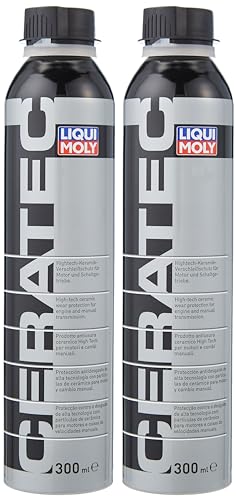
Best for owners who want a single-quantity additive with resilience under tough thermal and dynamic loads. The formulation is described as stable under high heat and variable engine conditions, making it a solid choice for engines that see spirited driving or heavy workloads.
Who it’s best for: drivers seeking a durable, high-heat-capable additive without a core charge. Why selected: Its stability under demanding thermal/dynamic loads helps sustain lubrication and protection between oil changes. Cautions: Not a substitute for regular maintenance; use as directed alongside proper oil service intervals.
XADO EX120 Engine Oil Additive

Best for high-mileage engines requiring rebuilding support and friction reduction. EX120 emphasizes rebuilding worn metal surfaces and forming a protective metal-ceramic coating, potentially extending engine life with durable protection against future wear for up to 60,000 miles as claimed in its data features.
Who it’s best for: vehicles with worn or aging components where restoration and protection are priorities. Why selected: The product’s ability to rebuild surfaces and reduce friction can be beneficial for engines nearing typical wear thresholds. Cautions: Effects depend on engine condition; not a substitute for major mechanical repair where internal clearances are severely compromised.
STP Heavy Duty Ceramic Oil Treatment

Best for extreme conditions where engines endure heavy loads, high temperatures, or demanding duty cycles. STP’s heavy-duty formulation aims to extend engine life and improve smoothness by providing advanced lubrication under challenging operating conditions. It can be a practical choice for work trucks or vehicles used for tough hauling and cold starts.
Who it’s best for: buyers needing robust protection in tough operating environments. Why selected: The product targets long intervals and rough duty cycles with protection up to 20,000 miles per treatment. Cautions: Real-world mileage can vary with climate and load; monitor oil levels and viscosity to maintain optimal lubrication.
Buying Guide: Ceramic Engine Oil Additives — What to Consider
What is the primary goal of a ceramic oil additive? To form a protective ceramic or ceramic-metal coating between metal surfaces, reduce friction, lower wear, and stabilize oil performance across temperature ranges.
- Vehicle type and mileage: Choose products aligned with your engine’s age, wear level, and typical driving conditions (city, highway, towing, or heavy loads).
- Oil-change compatibility: Confirm compatibility with your current engine oil and change intervals. Some additives are designed for use within a specific maintenance schedule.
- Protection scope: Assess whether the additive emphasizes friction reduction, wear rebuild, fuel efficiency, or long-range protection under extreme conditions.
- Usage format: Consider single-use packets vs. multi-pack or bulk options based on how often you service your vehicle and how many engines you maintain.
- Performance expectations: Look for clear claims about friction reduction, oil stability, and longevity, and compare these against your driving profile.
Frequently Asked Questions
- Do ceramic engine oil additives really reduce engine wear? Yes, by forming protective coatings that reduce metal-to-metal contact and friction, which can lower wear under operation.
- Can I use ceramic additives with any engine oil? Most are designed to work with conventional and synthetic oils, but always follow the product instructions and your vehicle’s manufacturer recommendations.
- How often should I apply ceramic additives? It depends on the product and driving conditions; some are recommended per oil change, while others are used as one-time or periodic treatments.
- Are ceramic additives safe for high-mileage engines? Many are formulated to benefit higher-mileage engines by reducing friction and restoring some performance; check the label for suitability.
- Will ceramic additives improve fuel economy? Some formulations claim improved efficiency by reducing friction, which can contribute to better fuel economy in normal driving.
- What are the risks of overusing these additives? Excessive additive use can alter oil viscosity or reduce lubrication efficiency; always follow dosing guidelines and consult your mechanic if unsure.