Answering buyers who need reliable chaincase lubrication for snowmobiles, this guide highlights five top options chosen for extreme cold, high-speed performance, and long-term protection. Each product is suited for specific rider needs—from casual weekend riders to high-performance racers. Below is a quick summary table to compare who benefits most from each option.
| Product | Best For | |
|---|---|---|
| BRP Ski-Doo XPS 12 oz (779156) | Casual to moderate riders | Cold flow, seal conditioning, corrosion protection |
| Polaris 2873106 SCL 1 Gallon | High-speed, high-temp use | Full synthetic, high-viscosity film for protection |
| Arctic Cat 6639-539 15 oz | Arctic Cat chain-driven snowmobiles | Synthetic protection for extreme temps |
| Klotz KL-500 Chain Case Lube | Performance-oriented riders | Warranty-aligned, estorlin technology |
| Polaris 2873105 OEM 1 Quart | High-performance Polaris setups | Specialized additives for wear and corrosion protection |
BRP Ski-Doo XPS New OEM Synthetic Chaincase Oil 12 OZ

Best for riders seeking a pre-formulated OEM option with balanced cold-start flow and seal conditioning. The 12 fl. oz. bottle is designed to protect internal components from wear and corrosion while maintaining seal integrity. This multigrade, full-synthetic formula flows well in cold weather and won’t break down at elevated temperatures, making it suitable for varied riding conditions. Best for: casual snowmobile owners who value OEM-grade consistency and simple stocking. Caution: small bottle size may require more frequent top-offs on larger chains.
Polaris 2873106 SCL Full Synthetic Snowmobile Chaincase Lubricant 1 Gallon

Best for high-speed, high-temperature environments. This full synthetic, high-viscosity formula provides excellent film strength and protection for chains and sprockets under demanding use. It includes low-sulfur additives to resist thermal breakdown in extreme conditions. Choose this if you ride aggressively or in conditions that push heat build-up. Caution: higher viscosity may be less ideal for very low-temperature startups if the system has limited warming time.
Arctic Cat OEM Chaincase Lubricant SYNTHETIC Chain Lube Gear Oil 15oz

Best for Arctic Cat chain-driven snowmobiles, especially models with reverse. The synthetic formulation helps protect against wear at extreme temperatures and inhibits rust and corrosion during periods of storage. This option is well-suited for riders who need reliable protection across seasonal storage cycles. Caution: may be formulated for Arctic Cat systems; compatibility should be verified for non-Arctic Cat machines.
Klotz Chain Case Lube (KL-500)
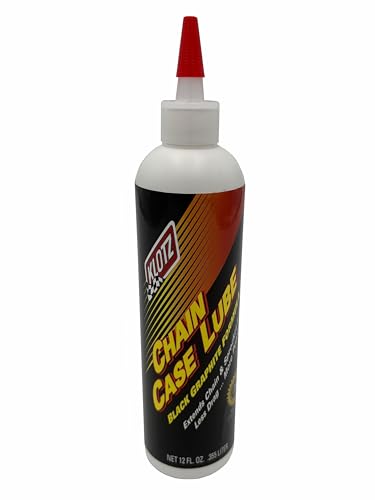
Best for performance-focused riders who want a lubricant that meets multiple OEM standards. KL-500 emphasizes API and JASO compliance to support warranty considerations for leading snowmobile brands. It features the distinct Klotz estorlin technology and a recognizable red color. Caution: scent and color are distinctive; may be a matter of user preference on visibility in the chaincase.
Polaris OEM Snowmobile Synthetic Chaincase Lubricant 1 Quart

Best for Polaris-specific setups requiring a full synthetic formula with a custom additive system. The lubricant maintains excellent film strength, provides wear and corrosion protection, and is engineered for high-speed, high-temperature chains and sprockets. Caution: intended for Polaris engines and may not be ideal for non-Polaris equipment without verifying compatibility.
Buying Guide
What should you consider when choosing chaincase oil for snowmobiles?
- Kit compatibility: Ensure the oil is marketed for your snowmobile brand or is clearly compatible across major brands.
- Viscosity and temperature range: Higher viscosity helps heat transfer in demanding conditions; low-temperature flow matters for cold starts.
- Additive system: Look for anti-wear, anti-corrosion, and seal-conditioning additives to extend chain and gear life.
- Oil volume: Gallon or quart sizes suit different maintenance frequencies and storage space.
- Storage and non-use protection: Some formulations include rust inhibitors for off-season storage.
- OEM vs. aftermarket: OEM oils offer brand-specific formulations; aftermarket options can provide similar protection with varying additive packages.
How to apply chaincase lubricant effectively?
Follow the manufacturer’s instructions for interval and method of application. Clean the chain and sprockets before applying a fresh layer of lubricant. Recheck the oil level after service and avoid overfilling, which can attract dirt and reduce performance.
Choosing by riding style
Riders who ride aggressively or in hot conditions benefit from high-viscosity, full-synthetic formulas with robust film strength. Casual riders in cold climates may prioritize good cold-start flow and seal conditioning in a lighter base oil.
FAQ
- Is OEM chaincase oil essential for snowmobiles? OEM oils are formulated to match factory specifications and often integrate brand-specific additives. They are a safe default, particularly for brand-specific models.
- Can I mix chaincase oils from different brands? Mixing is not generally recommended. Stick to one brand or consult the manual for compatibility guidance to avoid inconsistent film strength.
- What determines the best oil for high-temperature use? A high-viscosity, full-synthetic formula with low-sulfur additives provides better heat transfer and wear protection under high temps.
- How often should I change chaincase oil? Change intervals depend on riding conditions, frequency, and the oil type. Refer to the manufacturer’s maintenance schedule.
- Can synthetic oil protect seals in cold weather? Yes, many synthetic formulas condition seals and resist drying, helping to prolong seal integrity in cold conditions.
- Are 1-quart and 1-gallon containers interchangeable? Yes, you can scale maintenance according to your needs, but ensure you use the correct quantity per service interval.