Looking to fit Chevy wheels on Ford pickups or SUVs? The right rim adapters convert bolt patterns and give you an expanded wheel choice with a broader stance. This guide highlights five reliable adapter sets that connect Chevy-style bolt patterns to Ford applications, helping you decide who each product is best for. Each option includes why it’s a strong pick, a potential limitation, and clear usage notes for safe, stable installation.
The following quick-reference table provides a snapshot of the five selected adapters, including vehicle compatibility focus and wheel-pattern conversions:
| Product | Bolt Pattern Change | Best For | Notes |
|---|---|---|---|
| FLYCLE 1.5″ Adapters (6×135 to 6×139.7) | 6×135 to 6×139.7 | Ford F-150 (2015-2026) and compatible Ford SUVs | Moderate spacer, fits large range Chevy trucks |
| FLYCLE 2″ Adapters (6×135 to 6×139.7) | 6×135 to 6×139.7 | Ford F-150 (2015-2026) and Expedition/Navigator | Extra width, watch clearance |
| DCVAMOUS 1″ Adapters (6×135 to 6×139.7) | 6×135 to 6×139.7 | Ford-Lincoln family 2015-2026 | Lightest option among these |
| VLAOSCHI 2″ Adapters (8×170 to 8×180) | 8×170 to 8×180 | GM 2500/3500 HD to Ford 8-lug wheels | Solid for heavy-duty trucks |
| VLAOSCHI 2″ Adapters (5×135 to 6×135) | 5×135 to 6×135 | Older Ford 5-lug to 6-lug wheels | Versatile for mixed lug setups |
FLYCLE 6×135 to 6×139.7 Wheel Adapters – 1.5 Inch

Best for: Ford F-150 owners seeking a moderate spacer to run Chevy wheels on 6×135 studs. These adapters convert 6×135 bolt patterns to 6×139.7 (6×5.5″), enabling Chevy wheel compatibility on a broad range of Ford trucks and older GM wheels that share the 6×5.5″ pattern. The set includes M14x1.5 studs and has a recommended torque range of 75-85 ft-lbs, aiding straightforward installation. Not ideal for Raptors due to fit constraints noted in the specs.
Why chosen: The 1.5 inch thickness offers a balanced stance upgrade without excessive offset, reducing rub risk while retaining steering response. The adapter is suitable for everyday driving, highway mileage, and light off-road use when paired with appropriately sized tires.
Limitations: Not compatible with Raptor models; ensure center bore compatibility (87.1 mm and 78.1 mm options) and verify hub clearance on your specific vehicle configuration.
FLYCLE 6×135 to 6×5.5 Wheel Adapters – 2 Inch
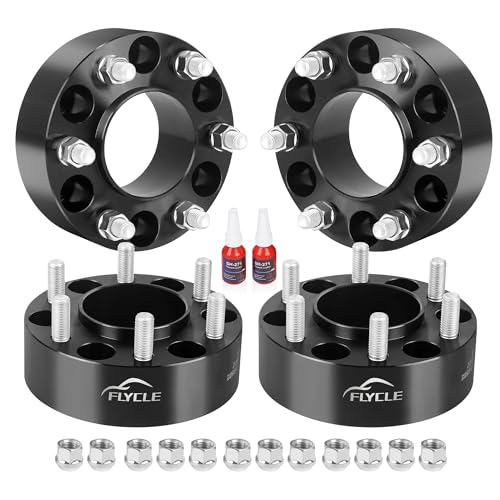
Best for: Ford F-150 models from 2015-2026, Expeditions, and Navigators needing more aggressive stance with extra offset. The 2 inch thickness offers a more pronounced wheel profile, enabling broader tires and a stronger street presence when converting from Chevy bolt patterns to the Ford 6×135/6×139.7 combo. Includes M14x1.5 studs and the same center bore considerations as the 1.5 inch option.
Why chosen: The increased spacer thickness provides additional clearance and helps accommodate larger wheel widths or offset changes for a more muscular look. It’s a solid pick when you want a noticeable change without changing wheel size fundamentals.
Limitations: The extra offset increases leverage on lug bolts; ensure adequate thread engagement and re-torque after initial miles.
DCVAMOUS 1 Inch Adapters – 6×135 to 6×139.7

Best for: Ford F-150, Expedition, and Navigator owners who want a lighter modification with a simple bolt-pattern change. The 1 inch thickness keeps the offset closer to stock while enabling use of Chevy-pattern wheels on 6×135 vehicles. This set is sold as a set of four and uses M14x1.5 threads with a 87.1 mm center bore compatibility.
Why chosen: It offers the smallest spacer option among the DCVAMOUS line, making it ideal for drivers seeking minimal change to ride height and steering geometry while still achieving wheel compatibility with Chevy-style wheels.
Limitation: A 1 inch adapter may be insufficient for certain wheel widths or tire clearances; verify fender clearance and brake caliper proximity before installation.
VLAOSCHI 8×180 to 8×170 Wheel Adapters – 2 Inch

Best for: Heavy-duty GM trucks (Chevy Silverado/Sierra 2500-3500) that want to run Ford-style 8×170 wheels or otherwise non-GM patterns on 8×180 hubs. The adapters are forged 6061 T6 aerospace aluminum with pre-installed heat-treated 10.9 grade studs and an anodized finish for corrosion resistance. They help achieve a more aggressive stance while enabling larger wheel/tire combinations.
Why chosen: This choice targets higher-demand applications where a robust, forged adapter is preferred for stability under load. It’s a practical solution for owners of 2500/3500 HD trucks looking to mix wheel families for a tougher look and potentially improved clearance for larger tires.
Limitation: Do not use on dually configurations; verify hub compatibility and potential clearance issues with oversized brakes on some GM trucks.
VLAOSCHI 5×135 to 6×135 Wheel Adapters – 2 Inch

Best for: Ford trucks with 5×135 bolt patterns, allowing installation of 6×135 wheels or limited 6×135 options on 1997-2003 F-150, 1997-2002 Expeditions, and related models. These adapters move the wheel outward to accommodate different wheel types while preserving alignment with the hub.
Why chosen: This option offers a practical route for owners who need to bridge 5-lug to 6-lug configurations without jumping to larger overall offsets. The kit includes 14×2 studs and forged 6061 T6 aluminum for durability and precise machining.
Limitation: It’s a two-lug difference from modern Ford patterns and Chevy-esque wheels; verify wheel availability and clearance for your exact year and model before purchase.
Buying Guide: Key Considerations For Chevy To Ford Rim Adapters
What should you check before buying? Start with the bolt pattern conversion, center bore compatibility, and thread pitch. Ensure the adapter’s thickness matches your desired stance and tire clearance. Consider vehicle weight, braking system clearance, and whether you need a lighter or heavier-duty forged construction.
- Bolt pattern compatibility: Confirm both the source (Chevy) and target (Ford) bolt patterns and the pattern you intend to mount on the hub.
- Center bore and hub fit: Center bore must accommodate the vehicle’s hub with a proper press-fit or hub-centric design to reduce vibration.
- Spacer thickness and offset: Thicker adapters move the wheel outward more, which can affect steering feel and rubbing with fenders or brakes.
- Thread pitch and lug studs: Ensure the adapter uses the correct lug thread pitch (commonly M14x1.5) and that studs are properly rated for the load.
- Material and finish: Forged aluminum with corrosion-resistant coatings offers strength and longevity, especially for trucks and SUVs subjected to harsh conditions.
- Torque and installation: Follow torque specs to avoid lug loosening; consider professional installation if unsure about torque and clearance.
- Vehicle-specific limitations: Some models (e.g., Raptors, dual-rear-wheel configurations) have unique clearance constraints; verify against official recommendations.
FAQ
- Q: Are Chevy-to-Ford rim adapters safe for daily driving? A: They can be, when properly installed by following manufacturer torque specs and ensuring hub fit and clearance for all components.
- Q: Will adapters affect vehicle warranty? A: Adapter compatibility may affect warranty coverage depending on the manufacturer and dealer policy; check with your retailer and vehicle maker.
- Q: Do I need longer lug studs? A: Some kits include studs; if not, verify stud length and engage proper thread depth for safe mounting.
- Q: Can I use these adapters with all wheel sizes? A: Compatibility depends on offset, clearance, and tire size; verify with a qualified technician for your specific wheels and tires.
- Q: Do adapters affect braking performance? A: They can slightly alter braking geometry; ensure no interference with calipers or rotors and monitor brake clearance after install.
- Q: Is a professional alignment recommended after installation? A: Yes. After any bolt-pattern change, an alignment ensures proper steering geometry and tire wear.