For Toyota Tacoma owners seeking higher throttle response, improved horsepower, and a more aggressive engine note, a cold air intake (CAI) can be a practical upgrade. This guide reviews five top options designed to fit 2016–2023 Tacomas and other compatible models, focusing on filtration efficiency, ease of installation, and overall performance gains. Each product below is assessed on durability, air filtration, and value to help you choose confidently.
| Product | Brand | Compatibility | Highlights |
|---|---|---|---|
| EVIL ENERGY Cold Air Intake | EVIL ENERGY | 2016-2023 Toyota Tacoma 3.5L | Heat shield, pre-filter, washable filter, simple 40-minute install |
| K&N Cold Air Intake System 63-9039 | K&N | 2016-2023 Toyota Tacoma | Dyno-tested, guaranteed horsepower increase, enhanced sound |
| K&N Cold Air Intake System 77-9043KP | K&N | 2025-2025 Toyota Land Cruiser, Tacoma | dyno-proven performance, robust construction |
| K&N Cold Air Intake System 77-9039KP | K&N | 2016-2023 Toyota Tacoma | dyno-proven, enhanced intake sound |
| Rough Country Cold Air Intake 10547 | Rough Country | 2016-2023 Toyota Tacoma 3.5L | Premium reusable filter, cooler air |
Below you’ll find concise sections for each selected product, with key features and practical notes to help compare options side by side. Each section emphasizes fitment, filtration, and real-world performance factors relevant to the Tacoma lineup.
EVIL ENERGY Cold Air Intake For Tacoma
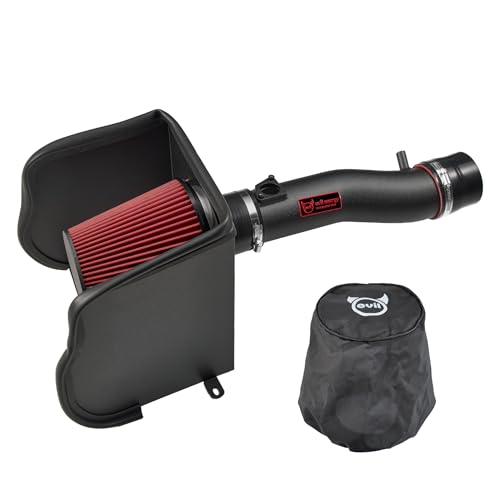
Product: EVIL ENERGY Cold Air Intake Compatible with 2016-2023 Toyota Tacoma 3.5L. The kit installs in about 40 minutes with basic tools and includes step-by-step instructions. It features a heat shield and a washable, high-efficiency multi-layer cotton air filter. A pre-filter helps extend filter life in dusty environments. Expect improved throttle response and more responsive power at higher RPMs due to a less restrictive intake path.
K&N 63-9039 Cold Air Intake System

K&N’s 63-9039 is designed to increase horsepower and torque with a less restrictive air path, delivering cooler, oxygen-rich air. The system includes wheel-based dynamometer testing reports and is marketed with an enhanced engine growl during acceleration, while maintaining a quiet cruising tone. The build emphasizes durable materials and a reusable filter, offering long-term value for Tacoma owners.
K&N 77-9043KP Cold Air Intake System

The K&N 77-9043KP is part of the next-gen series and is paired with a high-flow air filter. It promises a guaranteed horsepower and torque increase through a streamlined intake path and a more generous airbox that reduces inlet air temperatures. Dyno testing data accompany the kit, reinforcing claims of improved engine responsiveness and audible intake roar under acceleration.
K&N 77-9039KP Cold Air Intake System
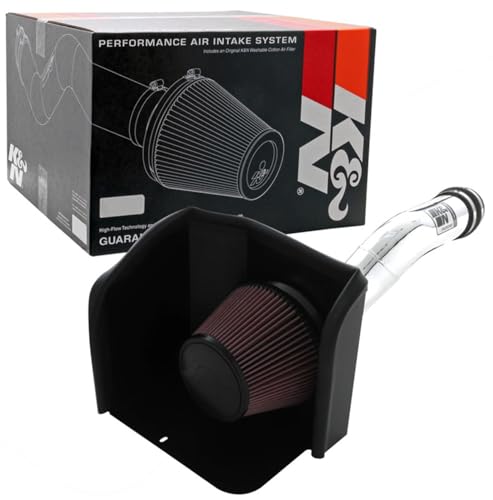
This K&N model is tuned for the 2016–2023 Toyota Tacoma range, offering a guaranteed horsepower and torque boost with a dyno-tested performance metric. The system’s design aims to maximize air intake while preserving air quality, delivering the engine’s characteristic growl during acceleration and a quiet cabin feel at steady speeds.
Rough Country CAI For 2016-2023 Tacoma

The Rough Country 10547 kit emphasizes increased horsepower and throttle response by drawing cooler, denser air. The system uses a premium, reusable air filter and rounding out with a robust design that supports durable performance during off-road and daily driving scenarios. This option is positioned as a value-oriented upgrade with noticeable power-delivery benefits.
Rough Country CAI With Pre-Filter For Tacoma

Rough Country’s 10547PF variant adds a pre-filter to extend the main filter’s life, particularly in dusty environments. It shares the core benefit of cooler air intake and improved throttle response, while maintaining a straightforward installation. The pre-filter design is a practical enhancement for harsh driving conditions or arid regions where dust is a concern.
K&N NextGen Cold Air Intake System

The K&N NextGen 50-9039 focuses on an enlarged air inlet, improved airflow, lower inlet temperatures, and a protective, oversized air filter. The system is positioned to deliver a clear horsepower and torque increase with a refined airbox design that reduces intake restriction and helps maintain steady performance across driving styles.
KAX 2.75 Inch Cold Air Intake Kit

The KAX kit is designed for Toyota Tacoma models from 2005–2023 with a 2.7L engine. It includes a heat shield, filter, and intake tube crafted from lightweight aluminum to maximize airflow. The manufacturer claims an 8–10% gain in horsepower and 6–8% torque improvement, along with a deeper, sportier exhaust note and improved throttle response at low to mid RPMs.
Buying Guide
Key considerations when choosing a cold air intake for a Toyota Tacoma include fitment accuracy, airflow performance, filtration efficiency, and ease of installation. Compatibility must align with your engine size and model year to avoid fit issues. Look for dyno-tested results or third-party performance data to verify claimed horsepower and torque gains, though real-world results vary by tune and supporting modifications.
Filter design matters: a washable, reusable cotton filter is common and cost-effective over time, but ensure the filter media works well in your typical climate. A heat shield is valuable in hot under-hood environments, helping preserve charge temps and maintain performance on long climbs or high-speed runs. Some kits include pre-filters for dusty regions, which can extend filter life and reduce maintenance intervals.
Material quality and build durability influence long-term reliability, especially if you drive off-road or in harsh conditions. A robust design with corrosion-resistant tubes, secure clamps, and a sealed airbox will resist wear and maintain consistent airflow. Noise is another factor; while many CAIs add a slightly louder intake tone, some drivers prefer a more restrained sound at cruising speeds.
Maintenance considerations include filter cleaning intervals and ease of servicing. Reusable filters in most kits require washing and re-oiling, which users should perform according to the manufacturer’s recommendations. Availability of replacement parts and filters should also factor into your decision for ongoing upkeep and performance consistency.
Other perspectives include factory-maintenance compatibility, warranty coverage, and potential impacts on vehicle emissions systems. While performance gains are appealing, ensure your chosen CAI complies with local regulations and won’t void your warranty where applicable. Finally, balance upfront cost with long-term durability and potential resale value, as a well-chosen CAI can be a durable upgrade that complements future improvements.