Diesel exhaust fluid (DEF) pricing varies by brand, packaging, and concentration. This guide highlights five well-regarded DEF options to help buyers compare cost-effectiveness and reliability. Each product is suitable for SCR-equipped diesel engines and aims to reduce NOx emissions. The selection targets common needs: bulk packs for fleets, compact bottles for occasional use, and OEM-grade solutions for specific vehicle compatibility. The following table summarizes the chosen products for quick reference.
| Product | Size | Best For |
|---|---|---|
| Blue Def DEF002-2PK Diesel Exhaust Fluid | 2 x 2.5 gal | Fleet operators and individual heavy-use trucks |
| Blue Def DEF002-4PK Diesel Exhaust Fluid | 4 x 2.5 gal | High-mileage fleets needing bulk savings |
| Prime Guard DEF | 1 gallon | Standard passenger and light-duty diesel vehicles |
| AdBlue LR072258 Original Equipment | 1 gallon (2 bottles) / 2 gallons (4 bottles) | Vehicles from Land Rover and similar SCR setups |
| Ford Genuine Fluid PM-27-JUG DEF | 2.5 gallon | Ford diesel models requiring OEM-grade DEF |
Blue Def DEF002-2PK Diesel Exhaust Fluid, 2.5 Gallon, 2 Pack
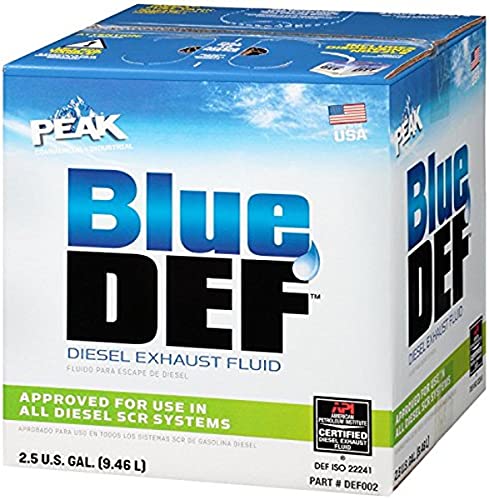
Key features include a 2.5-gallon per pack configuration and compatibility with SCR systems that reduce NOx emissions. It is designed for frequent DEF usage, with about one gallon used for every ~300 miles and a vehicle with a 20-gallon DEF tank capable of about 6,000 miles between fill-ups. This option is best for fleet operators or drivers who log heavy miles and want a balance between bulk capacity and portability.
Best for: Fleet managers and long-haul drivers who want dependable, ready-to-use DEF in moderate bulk. Choose this if you prefer smaller packs that are easy to manage in different locations. Caution: ensure your tank is compatible with standard 2.5-gallon DEF packs and verify fit for your model year.
Blue Def DEF002-4PK Diesel Exhaust Fluid, 2.5 Gallon, 4 Pack
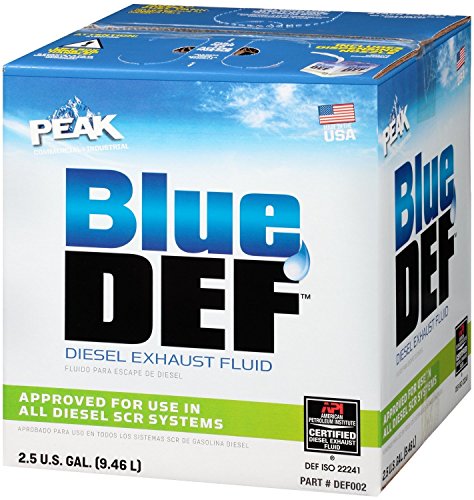
This kit includes four 2.5-gallon DEF bottles, offering bulk efficiency for higher-mileage fleets or multiple vehicles. Features mirror the 2-pack option, enabling extended intervals between purchases when vehicles require frequent DEF refills. It reduces NOx emissions when used in SCR systems, aligning with regulatory requirements for diesel exhaust cleanliness.
Best for: Fleet operators seeking bulk pricing and fewer restocking trips. Better for: operations with several diesel vehicles sharing DEF reservoirs. Caution: bulk storage should be kept in a cool, dry place to maintain fluid quality over time.
Prime Guard PRIM00203 DEF Diesel Exhaust Fluid – 1 Gallon

Prime Guard DEF is described as ultrapure and formaldehyde-free, formulated for diesel engines with SCR systems. It adheres to ISO 22241, AUS 32, and DIN 70070 purity standards, providing a standard one-gallon option ideal for regular vehicle maintenance. This is a straightforward pick for drivers who want OEM-like quality without manufacturer-specific branding.
Best for: individual diesel drivers and small fleets needing a reliable, standard-Grade DEF. Choose this if you want a compact, easily portable option without committing to bulk purchases. Caution: verify compatibility with your specific SCR system years and models; some premium or specialized vehicles may require OEM-specific fluids.
AdBlue DEF SCR LR072258, Original Equipment, 1 Gallon (2 Half-Gallon Bottles)

This 1-gallon kit (two half-gallon bottles) is designed for Land Rover Discovery 5 and range of Range Rover models. It uses a screw-in cap and neck sheath for leak-free filling, emphasizing mess-free maintenance for vehicles with screw-in DEF ports. It complies with ISO 22241 specifications and is marketed as OEM quality DEF.
Best for: Land Rover models and similar SCR-equipped diesel vehicles with screw-in ports. Choose this if you need a kit that matches OEM configurations and reduces potential DEF handling leaks. Caution: confirm model-year compatibility for your particular vehicle, as some ranges may require different packaging or capacities.
Buying Guide: Practical DEF Pricing And Selection Considerations
- Usage rate and tank size: Calculate how often you’ll need to refill based on your vehicle’s DEF consumption (commonly around 2–6 gallons per 1000 miles depending on engine and driving). Larger tanks reduce refill frequency but require more storage space and upfront cost.
- Pack size vs. cost per gallon: Bulk packs generally lower price per gallon but require more storage and longer-term stock management. Smaller packs offer flexibility and lower upfront risk for infrequent users.
- OEM vs. aftermarket: OEM-grade DEF aligns with factory specifications for certain vehicles and may reduce risk of incompatibility. Aftermarket DEF can be cost-effective but ensure ISO 22241 compliance to avoid deposits or injector issues.
- Vehicle compatibility: Some vehicles, especially premium or specific models, prefer or require certain formulations. Verify the DEF specification and vehicle compatibility in owner manuals or manufacturer guidance.
- Storage and handling: Keep DEF away from heat and direct sunlight; improper storage can degrade fluid quality. Use sealed containers and avoid contamination with metal or diesel fuels.
- Supply reliability: For fleets, establish a dependable supplier or retailer with consistent stock to prevent downtime. Consider regional availability and delivery lead times when planning bulk purchases.
- Environmental and regulatory considerations: DEF helps reduce NOx emissions in SCR systems, contributing to compliance with emissions standards. Ensure you follow local guidelines for disposal of any DEF containers and additives.
Frequently Asked Questions
- What is DEF and why is it used in diesel engines? DEF is a urea-based solution used to reduce NOx emissions in diesel exhaust through selective catalytic reduction (SCR) systems.
- Can I mix DEF brands in my vehicle? It’s best to use a single, ISO 22241-compliant DEF that matches your vehicle’s requirements to avoid potential compatibility issues.
- Is bulk DEF cheaper per gallon? Yes, bulk packs typically offer a lower price per gallon, but consider storage and shelf life.
- How should I store DEF? Store in a cool, dry place away from heat and direct sunlight. Keep containers sealed and clean to prevent contamination.
- Do all diesel vehicles require DEF? Vehicles with SCR systems generally require DEF to meet emissions standards; consult your owner’s manual for specifics.
- What problems arise from bad DEF? Contaminated or degraded DEF can cause SCR system issues, warning lights, and reduced NOx reduction efficiency.