If you’re upgrading to a disc brake setup or replacing a worn fork, a carbon fiber fork offers light weight, vibration damping, and stiffness that can improve handling on rough surfaces. This guide highlights five top choices ideal for riders seeking a carbon disc brake fork for mountain or gravel bikes. Each option is suited to different bike sizes and riding styles, from aggressive enduro to long-distance gravel. Use the quick comparison table below to start narrowing your picks.
| Product | Size Range | Steerer Type | Best For |
|---|---|---|---|
| BestParts Toseek MTB Front Fork | 26″/27.5″/29″ | 1-1/8″ Threadless | Aggressive trail and all-mountain riders seeking ultra-light rigidity |
| WCS 700C Carbon Fiber Gravel Fork | 700C | 1-1/8″ Straight Steerer | Gravel and road riders needing a stiff, lightweight disc-only fork |
| BestParts Toseek 1-1/8″ 26″ MTB Fork | 26″ | 1-1/8″ Threadless | Budget-conscious riders who want carbon damping on 26″ wheels |
| BestParts 27.5″ Carbon Fiber MTB Rigid Fork | 27.5″ | 1-1/8″ Steerer | Lightweight cross-country and trail riding |
| WCS Gravel Bikes Rigid Fork 700C | 700C | 1-1/8″ to 1-1/2″ Tapered | Road-gravel blend with flat mount compatibility |
BestParts Toseek MTB Front Fork 1-1/8″ Full Carbon Fiber Rigid Disc Brake 3K T800

What it is best for: Mountain bikes needing a rigid carbon fork with disc brake compatibility and very light weight. Its 3K T800 carbon blades provide vibration damping, improving ride comfort on technical terrain. This fork is designed for 26″, 27.5″, and 29″ wheels, offering broad compatibility for mixed-wheel setups. Best for riders who prioritize low weight and stiff steering at the cost of some compliance on rough rock sections.
Why it stands out: The fork uses high-strength 3K T800 carbon fiber and is marketed as lighter than metal alternatives, with better vibration absorption than traditional steel or aluminum forks. Consider this option if you value stiffness and weight savings for aggressive trails.
Limitations to note: Data suggests compatibility with multiple wheel sizes, but actual brake compatibility depends on the frame and rotor spacing. Ensure your frame supports 1-1/8″ threadless and the chosen axle standards before purchasing.
WCS 700C Carbon Fiber Gravel Bike Fork 1-1/8″ Straight Steerer Flat Mount Disc Brake

What it is best for: Gravel and mixed-terrain riders who want a dedicated disc-brake fork with flat-mount compatibility. Weighing around 410g, it emphasizes stiffness and lightness for long gravel rides or light road duties.
Why it stands out: The fork uses lightweight T800 carbon and a straight 1-1/8″ steerer, making it broadly compatible with many gravel frames. It’s specifically built for disc brakes and does not support rim brakes, which is ideal for riders committed to disc braking performance.
Limitations to note: Flat Mount disc brakes are required, so if your frame uses a different brake interface, this fork won’t fit without adapters or new brakes.
BestParts Toseek 1-1/8″ 26″ MTB Fork 3K T800 Full Carbon Fiber Rigid Disc Brake

What it is best for: Riders on 26″ wheels who want a rigid, lightweight carbon fork for disc brakes. This fork uses 3K T800 carbon fiber and promotes comfortable ride characteristics through carbon damping.
Why it stands out: Carbon blades are designed to better absorb road vibration than metal forks, which can improve comfort on rough trails and longer rides. It’s a straightforward option for upgrading from a heavier aluminum fork.
Limitations to note: Availability is specifically listed for 26″ wheels; verify wheel size for your bike to avoid fit issues on 27.5″ or 29″ frames.
WCS Gravel Rigid Fork 700C Full Carbon Fiber Road Fork
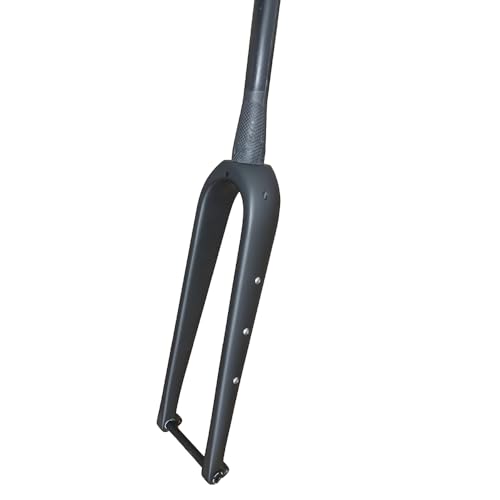
What it is best for: Road-gravel cyclists who want a full carbon fork that accommodates flat mount discs and multiple mounting points for gear. Its full carbon construction emphasizes lightness and vibration dampening for long gravel rides.
Why it stands out: This fork supports flat mount discs and is designed with multiple mounting points on each leg for racks, bottles, and bikepacking gear. It’s a practical choice for riders who prioritize versatility in gear mounting on mixed surfaces.
Limitations to note: It uses a flat-mount brake system; confirm rotor size compatibility with your frame and brakes before purchasing.
Buying Guide: How To Choose The Right Carbon Disc Fork
Consider wheel size, brake type, and steerer compatibility when selecting a carbon disc fork. The best choice depends on your bike’s frame geometry, riding style, and weight goals.
- Wheel size compatibility: Forks are offered in 26″, 27.5″, 29″, and 700C variants. Match the wheel size to your bike’s wheels for proper clearance and handling.
- Steerer type: Threadless vs. threaded steerer and the correct diameter (1-1/8″ is common). Confirm your headset type before purchasing.
- Brake interface: Flat Mount discs require specific brake calipers and rotor compatibility. Rim brakes are not supported on most carbon disc forks.
- Material and damping: Carbon fiber forks dampen vibrations more than aluminum or steel, improving comfort on rough surfaces. Higher-end carbon (e.g., T800) often offers better stiffness-to-weight ratios but can come at a premium.
- Mounting options: Some forks offer extra mounting points for racks and bottles. If you bikepack or commute, these can be decisive.
- Weight vs. durability: Lighter forks enhance climbing and acceleration but may sacrifice some impact resistance. Consider your typical terrain balance.
Frequently Asked Questions
- Q: Are carbon disc forks compatible with all disc brakes?
- A: Carbon forks are generally compatible with standard disc brake systems, but confirm the brake mounting type (flat mount vs. post mount) and rotor size.
- Q: Is a carbon fork suitable for aggressive enduro riding?
- A: Carbon forks can be lightweight and stiff, but some riders prefer steel or aluminum for durability in extreme impacts. Check fork specs for intended use and stiffness ratings.
- Q: Do carbon forks fit 1-1/8″ headsets across all brands?
- A: Most 1-1/8″ forks fit standard headsets, but verify compatibility with your frame’s head tube and crown race dimensions.
- Q: How important is weight in a front fork?
- A: Weight affects acceleration and climbing efficiency, but stiffness, dampening, and braking compatibility are also critical for performance and reliability.
- Q: Can I install a carbon fork on an older bike?
- A: It’s possible if the fork’s steerer, crown, and dropout standards match your frame. Always verify compatibility with the frame, headset, brakes, and wheel spacing.