Answering the common buyer question: which electric oil pump is best for turbo-related oil scavenging or transfer? This guide highlights five reliable options that serve different needs—from portable oil extraction to high-flow scavenging for turbo setups. Ideal buyers include boaters, automotive hobbyists, and professional technicians seeking efficient oil transfer or scavenging without manual pumping. The table below compares the top picks at a glance.
| Product | Best For | Key Strength |
|---|---|---|
| FAITIO 12V Oil Extractor Pump | Everyday engine and gear oil transfer | Copper construction, 3.2 GPM |
| WATNOVA HVAC Oil Pump | Large refrigeration/industrial systems | Real-time pressure control |
| Turbowerx Exa-Pump TWX-300-12V-10AN | High-flow turbo oil scavenging | 2–3 GPM, 12V–18V compatibility |
| Turbowerx Exa-Pump TWX-300-12V-8AN | Turbo and auxiliary oil transfers | Similar open-flow, robust design |
| Amarine Made 12v Scavenge Impellor Pump (Diesel) | Diesel oils and lubricants transfer | Bronze body, stainless shaft |
FAITIO 12V Oil Extractor Pump
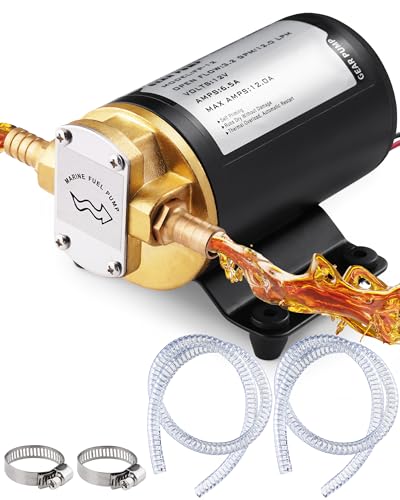
The FAITIO unit is a self-priming 12V gear pump designed for transferring motor oil, gear oil, transmission fluid, waste oil, and similar lubricants. It operates at 78W standard power and up to 120W max, delivering about 3.2 GPM with a maximum pressure around 43.5 PSI. It is best for hobbyist engine oil changes, mower maintenance, and marine applications where a compact, copper-built pump is advantageous. A practical choice for small to mid-size oil transfers where dipstick-based extraction is not feasible.
Who it’s best for: DIYers needing a reliable, copper-constructed oil extractor for routine transfers. Why selected: high flow for its class and strong resistance to thick lubricants (including 80W-90). Caution: not designed for extracting oil through the dipstick tube; use standard drain or drain pan methods.
WATNOVA Electric Refrigeration HVAC Oil Pump

This 3/4HP HVAC oil pump targets large refrigeration systems with heavy viscosity oils. It’s designed to deliver 92 GPH (about 1.53 GPM) and handle high viscosity oils at low temperatures. The standout feature is the top-mounted real-time pressure gauge, enabling technicians to monitor pressure during critical procedures and minimize over-pressurization. It’s best for technicians servicing commercial chillers or large-scale cooling systems where consistent flow and accurate pressure control matter.
Who it’s best for: technicians and facilities that operate large refrigeration systems. Why selected: real-time gauge helps prevent accidental over-pressurization. Caution: primarily optimized for HVAC/refrigeration oils; may be overkill for small automotive jobs.
Turbowerx Exa-Pump TWX-300-12V-10AN

The Exa-Pump is designed for turbo oil scavenging using 12V to 18V systems. It uses rugged spur gear technology and is rated for long life (10,000 hours). Open-flow is typically 2–3 GPM at 0 PSI, making it suitable for scavenging from turbo configurations or supplementary engine oil and radiator-based cooling loops. It’s best for serious turbo setups requiring robust scavenging performance and compatibility with higher voltage systems.
Who it’s best for: performance-minded turbo builders and racers. Why selected: high durability and steady flow in turbo scavenging. Caution: best used with compatible electrical systems; verify battery voltage before operation.
Turbowerx Exa-Pump TWX-300-12V-8AN

This variant shares the same durable build and turbo-focused design as the 10AN model but uses a different AN fitting style. Open-flow is in the 2–3 GPM range, making it suitable for turbo oil transfer and external radiator circulation. It’s a solid choice when a slightly different port setup is required for your turbo oil loop.
Who it’s best for: builders needing flexible porting for turbo oil lines. Why selected: similar performance with alternative fittings. Caution: verify compatibility of AN adapters with your existing lines before ordering.
Amarine Made 12v Scavenge Impellor Pump

This self-priming pump is designed for diesel fuel and lubricant transfer. It has a rugged bronze body with a stainless steel shaft and includes 2 x 12mm brass hose tails. It is suitable for transferring diesel, lubricants, and certain machinery fuels (excluding gasoline). Best for: diesel scavenge or oil transfer in compact to mid-size systems where reliability and corrosion resistance are important.
Who it’s best for: operators requiring a sturdy bronze-bodied pump for diesel and heavier lubricants. Why selected: durable build and corrosion resistance. Caution: not suitable for gasoline fuels; only use with compatible liquids as listed.
Amarine Made 12V Self Priming Impeller Gear Pump

This 12V gear pump offers self-priming operation with a 3.7 GPM open flow. It is designed for diesel lubricants and machinery fuel transfer, with a rugged metal head and copper impeller material. It is suitable for remote turbo systems and other high-flow oil transfer tasks. Best for: higher-flow turbo oil transfer tasks where a robust metal construction is beneficial.
Who it’s best for: professionals needing stronger flow and durable materials. Why selected: higher open-flow performance and flexible 12V operation. Caution: ensure voltage compatibility with your vehicle or system power source.
Turbowerx Exa-Pump Mini Turbo Oil Scavenge Pump TWX-200M-12V

The TWX-200M-12V is a compact, high-reliability option with aerospace/military-grade build quality in a smaller frame. It’s designed for 12V systems and offers robust performance in a lightweight package. It’s best for tight installations or smaller turbo oil-loops where space is a constraint.
Who it’s best for: racers or builders needing a compact scavenging pump. Why selected: excellent power-to-size ratio and durable construction. Caution: limited open-flow compared with larger Exa-Pump models; plan flow requirements accordingly.
Buying Guide: Key Purchase Considerations
- Power compatibility: Match pump voltage to your system (12V, 24V, or higher). Some pumps tolerate up to 18V, expanding application options in race cars.
- Oil viscosity and compatibility: Determine the pump’s ability to handle thick lubricants (like 80W-90) and whether it’s rated for diesel, gear oil, or transmission fluids.
- Flow rate vs. pressure: Higher GPM improves transfer speed; pay attention to pressure ratings to avoid over-pressurization in sensitive systems.
- Construction material: Bronze and copper components offer durability and chemical resistance, but may be heavier. Stainless shafts reduce wear in aggressive fluids.
- Port sizes and fittings: Ensure hose tails and AN fittings (if used) match your turbo oil lines or transfer hoses.
- Priming method: Self-priming pumps simplify initial startup, especially in remote turbo setups where gravity feeding is impractical.
- Maintenance access: Consider pumps with easy access for cleaning or servicing when operating with viscous or dirty lubricants.
Frequently Asked Questions
- What is the main difference between a scavenging pump and an oil transfer pump?
– Scavenging pumps remove oil from a sump or turbo housing for circulation or cooling, while transfer pumps move oil from one container to another for maintenance or refill. - Can these pumps handle diesel and gear oils?
– Many are designed for lubricants including gear oils and diesel; always verify the specific liquid compatibility in the product features. - Are 12V pumps suitable for trucks or marine engines?
– Yes, 12V pumps are commonly used in marine and small- to mid-sized engine maintenance, provided power availability and thermal limits are respected. - Is a real-time pressure gauge necessary for oil work?
– It’s beneficial in large systems to prevent over-pressurization, especially during refrigerant or large-lubricant recharges. - What maintenance helps prolong pump life?
– Keep fittings tight, avoid dry running, and periodically inspect seals and hoses for wear or leaks. - Which pump should I choose for turbo oil scavenging?
– For turbo-focused work, Exa-Pump models (2–3 GPM) offer robust flow and voltage flexibility; choose based on your system’s port requirements and space.