When choosing engine oils and lubricants, the goal is to minimize wear, control temperature, and extend the life of your engine. This guide highlights five Amazon products that balance protection, performance, and ease of use across various vehicles and use cases. Designed for car owners, lawn equipment operators, and hobbyists alike, these selections cover small engines, high-mileage cars, and common lubrication needs. Read on to match each product to typical buyers, from daily drivers seeking long-drain oils to enthusiasts needing leaks prevention or specialty lubricants. A quick product table at the top summarizes ideal matches.
| Product | Best For | Why It Stands Out |
|---|---|---|
| STP Premium Small Engine Oil Formula | Small outdoor engines (lawnmowers, generators) | All-weather 4-cycle formula; helps reduce wear in small engines |
| Valvoline MaxLife High Mileage 5W-30 | High-mileage cars (75k+ miles) | Seal conditioners and wear/sludge protection tailored for aging engines |
| Valvoline Extended Protection Full Synthetic 5W-30 | Modern cars needing robust wear protection | Dual Defense technology for cleaner, longer-lasting performance |
| Mobil 1 High Mileage 5W-30 | Engines over 75,000 miles requiring fewer oil changes | Triple Action Formula for protection, cleanliness, and efficiency |
| Lucas Oil Stop Leak | Leaking engines or seals needing additive assistance | Leads to reduced leaks and extended oil life in some cases |
STP Premium Small Engine Oil Formula

Best for: small outdoor engines such as lawnmowers, generators, and compact tractors. Why selected: a synthetic-blend 10W-30 formula designed to start easier in all seasons and resist thermal breakdown in small engines. The oil’s antioxidants help maintain viscosity under heat, supporting smoother starts and reduced wear in daily yard maintenance equipment. Limitation: not intended for automotive gasoline engines; use in appropriate small-engine applications only.
Valvoline MaxLife High Mileage 5W-30
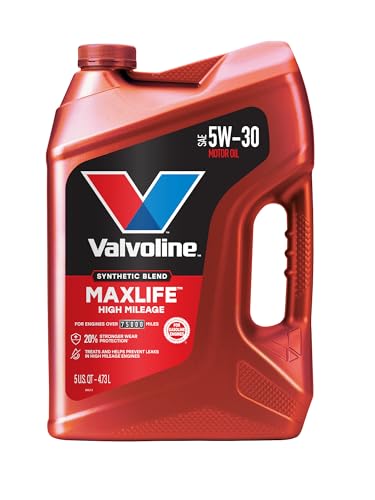
Best for: high-mileage engines around or above 75,000 miles. Why selected: formulated with seal conditioners to limit leaks and reduce oil consumption, plus extra detergents to resist deposits. It aims for improved wear protection and sludge defense compared to standard oils, helping extend engine life. Caution: may not be ideal for newer engines seeking ultra-low-emission or LSPI-focused formulations; verify fitment with vehicle guidelines.
Valvoline Extended Protection Full Synthetic 5W-30

Best for: drivers seeking long-term protection against deposits and wear. Why selected: features Dual Defense Additive Technology for boosted wear protection and detergents to keep engines cleaner longer. It is designed to deliver stronger wear resistance than many industry standards, supporting longer engine life and steadier performance. Limitation: as a full synthetic, it may be more expensive than conventional blends; ensure compatibility with manufacturer recommendations.
Mobil 1 High Mileage 5W-30

Best for: engines with 75,000 miles or more, prioritizing fewer oil changes and cleaner operation. Why selected: Mobil 1’s Triple Action Formula supports protection, cleanliness, and efficiency, with standards aligned to low-speed pre-ignition and wear protection on timing chains. It helps maintain engine performance over extended drain intervals. Caution: high-mileage vehicles with older seals may still exhibit leaks if seals are heavily degraded; inspect seals regularly.
Lucas Oil Stop Leak

Best for: engines showing minor leaks or evaporative oil loss. Why selected: designed as a seal conditioner and additive to reduce leaks and extend oil life in some vehicles. It can be a practical option for nearby maintenance intervals or for older engines showing seepage. Limitation: not a substitute for a full gasket or seal repair when leaks are severe; monitor engine oil levels closely.
Buying Guide
What oil viscosity should I choose?
Viscosity (like 5W-30 or 10W-30) matters for startup performance and high-temperature protection. Check your owner’s manual for the recommended grade. In general, 5W-30 works well in modern engines across seasons, while 10W-30 suits older or hotter climates. Consider multi-weight oils for vehicles exposed to a range of temperatures.
Synthetic vs conventional or synthetic blend
Synthetic blends offer better protection in extreme conditions and longer drain intervals than conventional oils. Full synthetic oils provide superior deposit control and wear protection, particularly in high-mileage or performance engines. Choose based on your engine’s age, usage, and manufacturer guidance.
High mileage and seal protection
High-mileage formulas with seal conditioners can reduce leaks and consumption in older engines. If your car has 75,000 miles or more, consider a high-mileage option to help preserve seals and minimize deposits.
Oil change intervals and fuel efficiency
Higher-quality synthetic blends can extend drain intervals and improve efficiency by reducing friction. Always follow vehicle manufacturer guidelines for oil change intervals and use the specified viscosity for optimal performance.
Specialty lubricants and additives
Additives like stop-leak products can help with minor leaks but are not a fix for serious seal damage. Use additives as a supplemental measure, not a substitute for proper maintenance or repairs.
Choosing by use case
For lawn equipment or small engines, select an oil formulated for 4-stroke small engines with appropriate viscosity. For everyday cars with high mileage, prioritize high-mileage or extended-protection full synthetic options. Hobbyists using RC cars or light machinery may benefit from dedicated lubricants designed for non-automotive equipment, but avoid using them in automotive engines unless approved by the manufacturer.
Practical checklist
- Check owner’s manual for viscosity and specification requirements.
- Choose between conventional, synthetic blend, or full synthetic based on usage and budget.
- Evaluate engine age and leak history to decide on high-mileage formulas.
- Inspect seals and perform timely maintenance to prevent leaks.
Frequently Asked Questions
- Q: Can I mix different oil brands or types? A: It’s generally best to stick to one oil type as recommended by the vehicle manufacturer to avoid compatibility issues.
- Q: How often should I change high-mileage oil? A: Follow the vehicle’s manual; high-mileage oils can offer extended intervals, but monitor oil level and engine performance.
- Q: Is a stop-leak additive safe for all engines? A: Not for every engine; use as a short-term measure and consult a mechanic if leaks persist or worsen.
- Q: What’s the benefit of a full synthetic oil for an older engine? A: Full synthetic oils provide better protection against deposits and wear, which can help maintain performance in aging engines.
- Q: Are small-engine oils different from car engine oils? A: Yes; small-engine formulas are tailored for 4-stroke small engines and outdoor equipment, not automotive engines.
- Q: Should I worry about oil type when using a high-performance vehicle? A: Yes; always align oil type with the manufacturer’s specification to maintain warranty and performance.