Answers for buyers searching for EP or GL gear oils in the 80W-90 to 90 range. This guide highlights five well-rounded options suitable for a variety of transmissions, from vintage to high-performance setups. Best for: hobbyists maintaining older equipment, performance drivers, and anyone needing reliable EP or GL-1 alternatives with clear protection profiles.
| Product | Best For | Why It Stands Out |
|---|---|---|
Lubrimatic 11500 80W-90 EP Gear Oil

Best for: General purpose heavy-duty gearboxes and agricultural equipment that require EP performance. This quart provides a compact option for routine maintenance or small-quantity fills. The product is presented as a high-performance EP gear oil designed for demanding service, helping reduce wear in sealed or semi-sealed gear systems.
Why selected: It delivers a straightforward EP formulation in an accessible package, making it suitable for everyday use where EP protection is advised. Caution: Verify compatibility with yellow metals if your system has such components.
Lubrimatic 11507 80W-90 EP Gear Oil – 1 Gallon
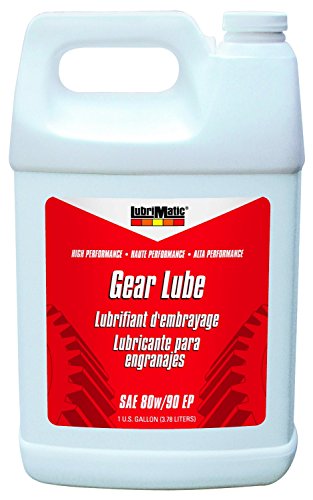
Best for: Larger capacities and multi-application gearboxes that demand EP protection over extended intervals. The gallon size suits tractors, tillers, and other garden equipment with frequent filling needs. The cap design aims to simplify pouring, reducing spills during servicing.
Why selected: Offers a premium blend with EP additives for heavy-duty protection, along with practical packaging for larger jobs. Caution: Ensure the product is stored upright to prevent leakage over time.
Vintage Green Gear Oil 90 GL1 – 1 Liter

Best for: Vintage vehicle transmissions and older equipment that require GL1 specification without EP additives. This option emphasizes compatibility with traditional yellow metal components found in classic gearboxes.
Why selected: It fills a niche where modern EP chemistries may not be ideal, preserving historical equipment with appropriate lubrication. Caution: Not suitable for modern EP-equipped gearboxes or systems requiring EP protection.
Idemitsu Full Synthetic Racing 75W-90 Gear Oil – 1 Quart

Best for: Racing and high-performance gearboxes that endure extreme loads. The product is designed to maintain performance under demanding driving conditions, with enhanced durability and wear protection via advanced EP additives.
Why selected: The EP additive package is tailored for high-load scenarios, helping maintain consistent power delivery during competitive use. Caution: Synthetic gear oils can interact with certain seals; check compatibility with your system’s seals prior to use.
Idemitsu Full Synthetic Racing 75W-90 Gear Oil – 1 Quart (Pack of 6)
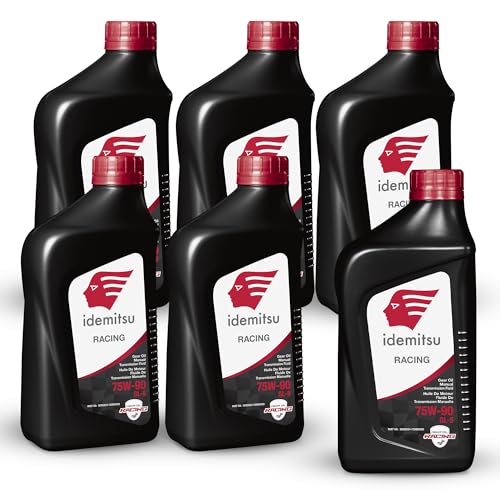
Best for: Bulk purchases for racing teams or workshops needing reliable EP synthetic 75W-90 lubricant across multiple gearboxes. The pack enables consistent maintenance schedules in demanding environments.
Why selected: It provides the same racing-grade formulation in multiple-quart packaging for events or fleet rotations. Caution: Verify compatibility with non-metallic components in specialized transmissions before use.
Valvoline FlexFill 75W-90 Full Synthetic Gear Oil – 1 Quart Pouch

Best for: Quick-fill applications and spaces where space-saving packaging improves service speed. The FlexFill pouch reduces effort and time during topping up or full changes while offering strong synthetic protection.
Why selected: Combines practical packaging with robust synthetic protection and slip compatibility to support clutch and gear tooth protection. Caution: Ensure the pouch remains sealed during storage to prevent contamination.
Buying Guide: Key Considerations When Choosing EP or GL 80W-90 Gear Oil
- Compatibility with gearbox type: Some older systems use GL1 or yellow metals; modern EP oils may cause corrosion in such cases. Match the oil to your gearbox’s specification and materials.
- EP additives and load requirements: Extreme pressure additives improve wear resistance under high loads but may not be necessary for light-use, vintage, or sealed gearboxes.
- Viscosity and temperature range: 80W-90 is common for many transmissions, but racing or hot climates may benefit from higher protection. Consider your operating temperature profile.
- Packaging and quantity: Gallon jugs suit frequent users; quart bottles are convenient for smaller projects. Pouches can speed up filling in tight spaces.
- Seal and compatibility considerations: Some synthetic formulations can affect seals differently from conventional oils. Check seal material compatibility if upgrading from an older oil.
- Maintenance interval and service needs: High-performance oils may offer longer intervals in demanding conditions, but follow manufacturer guidelines for drain and refill intervals.
Frequently Asked Questions
- What does 80W-90 EP mean?
It describes a gear oil viscosity and a formulation with extreme pressure additives designed to protect gears under heavy loads. - Is GL1 appropriate for modern transmissions?
No. GL1 is a vintage specification; modern gearboxes typically require higher-performance EP formulations. - Can I mix EP and non-EP oils?
Mixing different oil chemistries is generally discouraged as it can alter protection and film strength. - What should I consider for racing gear oils?
Look for synthetic formulations with an EP package, good shear stability, and additives that maintain film strength under high rpm and heat. - Do these oils protect against gear wear?
Yes, most listed options include anti-wear and EP protections, but the extent varies by formulation and application. - How do I choose between quart and gallon sizes?
Size depends on maintenance frequency, equipment count, and storage space. For occasional use, quart is convenient; fleets and workshops benefit from gallons.