Keeping a standby generator ready to go requires reliable fuel stability and clean fuel delivery. The following fuel additives are widely used to stabilize gasoline, prevent corrosion, clean carburetors and injectors, and rejuvenate older fuel. This guide highlights five top options and explains how they help generators perform when they’re needed most. Below is a quick summary of the chosen products.
| Product | Brand | Key Benefit |
|---|---|---|
| STA-BIL Storage Fuel Stabilizer (1 Gallon) | STA-BIL | Keeps fuel fresh up to 24 months; prevents corrosion |
| STA-BIL Storage Fuel Stabilizer (32 oz) | STA-BIL | Corrosion protection; protects fuel system |
| STA-BIL Fast Fix (8 oz) | STA-BIL | Cleans carburetors/injectors; removes water; treats up to 20 gallons |
| Star Tron Enzyme Fuel Treatment (16 oz) | STAR BRITE | Prevents ethanol issues; improves fuel economy |
| Sea Foam Motor Treatment (16 oz, Pack of 3) | Sea Foam | Cleans fuel system; lubricates upper cylinders; cleans deposits |
STA-BIL Storage Stabilizer 1 Gallon

STA-BIL Storage Stabilizer is designed to keep gasoline fresh for up to 24 months, making it well suited for generators that sit idle for extended periods. The formula helps prevent corrosion in fuel systems and protects components from ethanol-related damage. It is positioned as a reliable option for seasonal equipment and boats, ensuring quick starts when stored fuel is needed again.
STA-BIL Storage Fuel Stabilizer (32 oz)
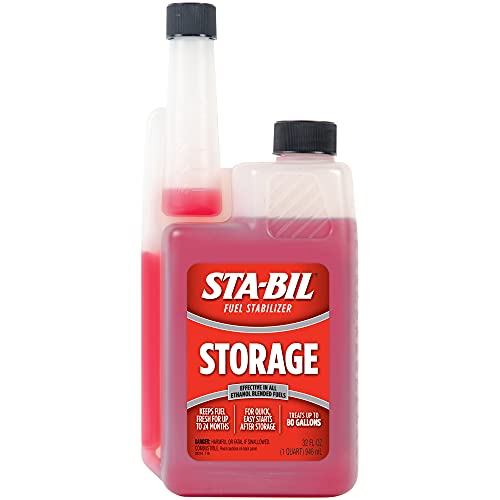
This 32-ounce bottle provides corrosion protection to guard against fuel system problems caused by ethanol-blended fuels. It is compatible with both 2-cycle and 4-cycle engines, making it a versatile choice for generators alongside other small equipment. Its focus on preventing ethanol-related issues helps maintain stable performance over time.
STA-BIL Fast Fix Small Engine Treatment
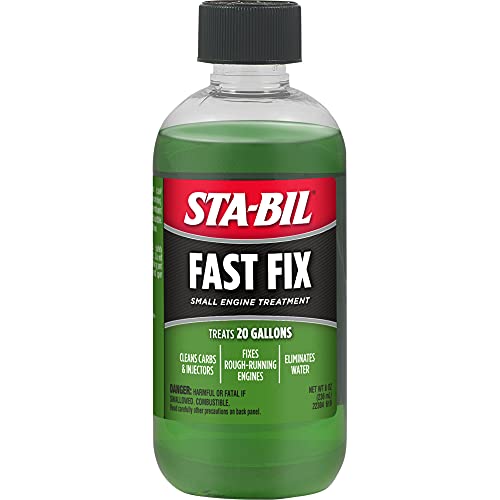
STA-BIL Fast Fix is designed to improve small engine performance by cleaning carburetors and injectors and removing water. It penetrates the fuel line to treat up to 20 gallons, helping avoid disassembly when an engine is difficult to start. The product is described as alcohol-free and versatile for lawn equipment, generators, and other small power tools.
STAR BRITE Star Tron Enzyme Fuel Treatment (32 Fl. Oz.)
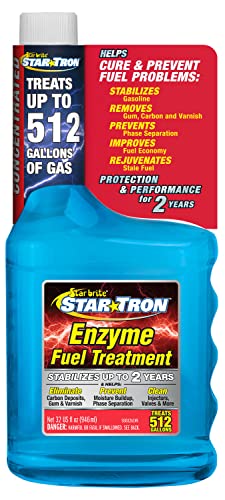
Star Tron Enzyme Fuel Treatment uses enzyme technology to promote easy starting and smooth running after inactivity. It is designed to prevent ethanol-related problems, remove gum and varnish buildup, and improve fuel economy by maintaining a cleaner fuel delivery system. This makes it an appealing choice for generators that may sit unused for periods between uses.
Star Tron Enzyme Fuel Treatment (16 oz) Small Engine Formula

This small-engine version of Star Tron targets fuel stability for engines typically used in lawn and garden equipment as well as generators. It is meant to rejuvenate old fuel, reduce ethanol-related issues, and optimize overall fuel economy by keeping the entire fuel system cleaner over time.
Sea Foam Motor Treatment 16 oz (Pack of 3)

Sea Foam Motor Treatment is a multi-system cleaner that can be added to fuel or oil. It cleans fuel injectors, carburetors, intake valves, and combustion chamber deposits, while also lubricating upper engine cylinders. The 16-ounce bottle, in a pack of three, offers broad coverage for multiple generators and other gas-powered tools, helping to maintain clean fuel delivery and reduce buildup over time.
Buying Guide: Key Purchase Considerations for Generator Use
When choosing a fuel additive for generators, consider the following factors to match your storage needs and operating environment:
- Storage duration: If a generator is seasonal or rarely used, prioritizing long-term stabilizers (such as 24-month fuel stabilizers) helps prevent fuel degradation and corrosion.
- Fuel compatibility: Ensure the product works with ethanol-blended fuels common in the United States, as ethanol can cause phase separation and corrosion.
- Recommended dosage and coverage: Match the product’s gallon coverage to your generator size and fuel tank capacity to avoid under- or over-treatment.
- Engine type compatibility: Some formulas target small engines (lawn mowers, chainsaws) and may be equally effective for generators; others are explicitly designed for automotive or marine use. Check specifications for compatibility with your generator’s engine type (2-stroke vs. 4-stroke).
- Carburetor and injector cleaning vs. stabilizing action: If the generator sits idle, stabilization is critical; if you notice rough starts, a cleaner like an enzyme treatment or fast-fix formula may help.
- Environmental and safety considerations: Look for alcohol-free options if you are concerned about fuel compatibility and potential evaporation issues; follow label directions for storage and handling.
How to Use Fuel Additives for Generators
- Read label directions for the correct dosage per gallon of fuel and the total fuel capacity of your generator.
- Fill the tank with fresh gasoline before adding the stabilizer or additive.
- Run the generator for 5–15 minutes after adding the additive to ensure treated fuel circulates through the system.
- Store the generator in a cool, dry place and keep fuel containers sealed to minimize moisture absorption.
Selecting the right fuel additive depends on whether your priority is long-term storage, preventing ethanol-related issues, or rejuvenating older fuel. The products listed above are frequently used by homeowners and small business operators to maintain generator reliability, especially during storms or power outages.