Answering the question “which fuel system cleaner should I buy?” this guide highlights five effective options that target carbon deposits, injector grime, and intake valve buildup. Each product is suited to different vehicle needs—from high-mileage cars needing a restoration boost to modern engines requiring a precise cleaner. Read on to find the best fit for your engine type, fuel system concerns, and driving habits. The following at-a-glance table summarizes the top picks and their key strengths.
| Product | Best For | Why It Stands Out |
|---|---|---|
| Red Line SI-1 Complete Fuel System Cleaner (15 oz) | General gasoline engines needing deposit removal | Comprehensive cleansing of injectors, valves, and combustion chamber deposits |
| Red Line SI-1 Complete Fuel System Cleaner (2 Pack, 15 oz each) | Budget-conscious buyers with multiple cleanings | Two bottles for long-term maintenance; strong cleaning formula |
| Chevron Techron Concentrate Plus Fuel System Cleaner (12 oz, pack of 6) | Full fuel system restoration | Restores power and fuel economy across the entire system |
| AUTOOL Fuel Injector Cleaner Kit | In-depth cleaning with controlled application | Full kit with high-pressure cleaning and adapters |
| Royal Purple Max-Clean Fuel System Cleaner | Performance-focused cleaning | 3-in-1 formula with tangible performance gains |
Red Line SI-1 Complete Fuel System Cleaner — 15 oz

Best for: everyday gasoline engines needing a robust, all-around cleaner. Red Line SI-1 targets injectors, carburetors, valves, and combustion chambers with a dual-temp detergent blend. It improves gasoline stability and reduces gum and varnish buildup for smoother operation and potential power gains.
Why selected: This single- bottle formula delivers a concentrated clean that addresses multiple fuel-system components, making it a versatile choice for routine maintenance and performance restoration.
Caution: Use as directed; avoid using in engines with known mechanical issues where cleaning could exacerbate pre-existing problems. Not a substitute for major repairs when needed.
Red Line SI-1 Complete Fuel System Cleaner — 2 Pack

Best for: households wanting additional cleanings over time without buying new bottles. This two-pack extends the cleaning cycle and supports ongoing protection against corrosion in fuel systems.
Why selected: A budget-conscious option that preserves the same high-detergency action as the single bottle while enabling easier long-term maintenance plans.
Limitation: The combined usage may require scheduling to prevent over-treatment in engines with low fuel-quality concerns.
Chevron Techron Concentrate Plus Fuel System Cleaner — 12 oz (Pack of 6)
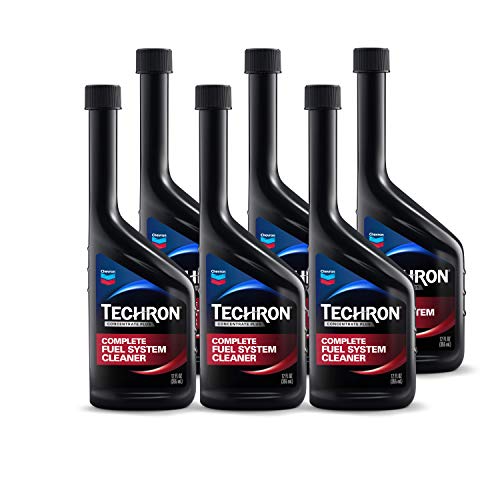
Best for: drivers seeking a trusted, long-term fuel system restoration across multiple vehicles or fleet maintenance. Techron claims to clean and protect the entire fuel system, including injectors and intake valves, restoring lost power and fuel economy.
Why selected: Chevron Techron is a well-known additive with broad compatibility and a focus on restoring overall system performance. This pack is convenient for periodic maintenance across several vehicles.
Caution: Follow manufacturer recommendations in your vehicle’s manual to avoid over-application, especially in engines with low mileage or unusual fuel systems.
AUTOOL Fuel Injector Cleaner Kit

Best for: owners who want a comprehensive cleaning approach with adjustable, high-pressure cleaning and a complete adapter set. This kit aims at the entire fuel system, including throttle body, intake manifold, and exhaust pipe areas.
Why selected: The kit combines high-pressure cleaning with practical features like a pressure gauge and non-dismantling operation, making it suitable for users who prefer DIY maintenance with precise control.
Limitation: It does not include cleaning fluid; the user must supply compatible cleaner fluid. Also, intended for gasoline injectors only.
Royal Purple Max-Clean Fuel System Cleaner

Best for: drivers seeking a 3-in-1 formula that cleans, stabilizes fuel, and improves power output. Royal Purple emphasizes long-term fuel cleanliness and better throttle response.
Why selected: The product combines cleaning strength with performance-oriented benefits, appealing to enthusiasts who want noticeable drivability improvements without heavy disassembly.
Limitation: Some users may see more noticeable gains on engines with larger carbon buildup or aging fuel systems; newer engines may experience subtler effects.
Molecure Pea Complete Fuel System Cleaner

Best for: vehicles with direct-injection systems and severe carbon buildup where PEA chemistry is key. Molecure targets injectors, intake ports, and combustion chambers for deeper cleaning.
Why selected: PEA formulas are known for dissolving hard carbon, which is especially important for modern engines or high-mileage cars using Top Tier fuels. It can improve throttle response and fuel economy in many cases.
Caution: This product’s effectiveness is tied to the engine’s existing buildup; results vary with the level of deposits and driving conditions.
Buying Guide: Key Considerations for Choosing a Fuel System Cleaner
- Scope of cleaning: Do you need a targeted injector cleaner or a full-system treatment that includes intake valves and combustion chambers?
- Engine type compatibility: Gasoline engines, direct-injection systems, and older carbureted designs may respond differently to various formulas.
- Frequency: For routine maintenance, a single bottle or a small pack may suffice; for fleet or multiple-vehicle maintenance, a pack or kit may be more cost-effective.
- Deposit type and severity: Carbon deposits on intake valves or port fuel injectors respond differently to solvent chemistries like PEA or traditional detergents.
- Usage guidance: Some products require precise dosing or non-dismantling application; others come with full cleaning kits for DIY use.
- Vehicle manual alignment: Always cross-check manufacturer recommendations for cleaner usage and any limits on additives.
FAQ
- What is a fuel system cleaner best for?
It helps remove carbon deposits, restores fuel economy, and improves throttle response by cleaning injectors, valves, and intake passages.
- Can fuel system cleaners damage my engine?
Used as directed, most cleaners are safe. Overuse or improper types can cause issues in engines with severe existing problems.
- How often should I use a fuel system cleaner?
Follow product guidance and vehicle manual. Many drivers use cleaners every 3–6 months for routine maintenance or when experiencing drivability issues.
- Are there cleaners that work better with direct-injection engines?
Yes. Some formulas are designed to reach carbon buildups on direct-injection valves and ports; look for PEA-based or high-detergency blends.
- Do I need professional servicing after using a cleaner?
Usually not, but severe deposits or unusual engine behavior may warrant professional inspection or additional maintenance.
- Which cleaner is best for a fleet of vehicles?
Pack options from reputable brands offer cost-efficient maintenance across multiple vehicles without compromising cleaning power.