Outdoor warmth matters on brisk days and early-morning tee times. This guide highlights top golf cart heaters that balance heat output, portability, and safety. Each option suits different buyers: casual weekend players, serious course enthusiasts, or those who frequently traverse chilly greens. The table below compares key specs to help you pick quickly.
| Product | BTU | Best For |
|---|---|---|
| Mr. Heater Golf Cart 4,000 BTU Radiant Propane Heater | 4,000 | Warmth on cool mornings for short rides |
| 6800BTU Propane Golf Cart Heater (SANAUVULCAN) | 6,800 | Higher heat, longer sessions, rugged use |
| KOMAN Golf Cart Heater | 4,100 | Compact, adjustable heat for all carts |
| GasBRUH Golf Cart Heater | 6,200 | Strong heat with USB ignition for reliability |
| WADEO Golf Cart Heater | 6,200 | Heat during variable outdoor conditions |
Mr. Heater Golf Cart 4,000 BTU Radiant Propane Heater

Best for light, quick warmth on mild cold days. This model emits 4,000 BTU per hour and runs up to 5.5 hours on a standard 1 lb propane cylinder, heating up to about 100 square feet. Best suited for casual golfers who ride short distances and want a compact option with stable performance. It includes a tip-switch for rough terrain to improve safety during transport.
Who it’s for: golfers who want a simple, reliable heater without extra features. Why selected: compact size, predictable heat, and easy cylinder compatibility make it a practical starting choice for one-person carts.
Caution: BTU output is moderate; on very cold days, you may want a higher-output heater for larger carts or longer rides.
6800BTU Propane Golf Cart Heater (SANAUVULCAN)

Best for cold mornings with longer rides. This heater packs 6,800 BTU and is designed for golf carts, camping, and outdoor use. Its USB-powered ignition system adds reliability in chilly or windy conditions, and a cordless design supports easy transport. The unit includes a cup-holdor and integrated base for stable mounting on rugged terrain.
Who it’s for: players who want strong, rapid warmth with easier ignition. Why selected: higher BTU and cordless ignition improve comfort during longer rounds or outdoor sessions in cold weather.
Caution: Heavier build may affect cart balance on small models; ensure secure mounting before driving at higher speeds.
KOMAN Golf Cart Heater

Best for versatility across cart types. The KOMAN heater delivers about 4,100 BTU and features automatic ignition with adjustable heat, making it suitable for EZGO, Yamaha, and Club Car models. The included cup-holder adapter expands compatibility with various setups. Note that one-pound propane tanks are not included.
Who it’s for: golfers who want a reliable, adjustable heater with broad cart compatibility. Why selected: adjustable output and easy ignition improve control and comfort in variable conditions.
Caution: Tank not included; plan for a compatible propane supply to avoid delays.
GasBRUH Golf Cart Heater

Best for aggressive cold-weather warmth with robust build. The GasBRUH heater offers up to 6,200 BTU and includes a windproof USB lighter for reliable ignition. It supports EZGO, Yamaha, and Club Car carts. A caution note clarifies propane tanks are not included and emphasizes safety around flammable materials.
Who it’s for: golfers facing persistent cold with the need for heavy, consistent heat. Why selected: strong output and built-in ignition provide dependable performance in unpredictable weather.
Caution: Ensure safe operation with proper propane handling and away from flammables.
WADEO Golf Cart Heater
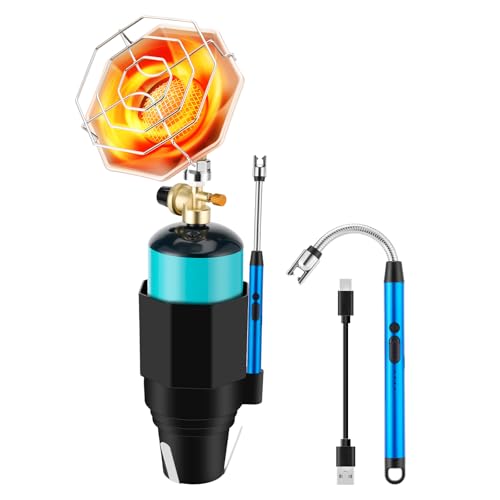
Best for consistent warmth with durable construction. This 6,200 BTU unit includes a windproof USB igniter and a cup-holder compatibility design. It emphasizes stable heat output and robust aluminum shielding for durability in outdoor settings. The unit is positioned as a strong option for those who ride in varied temperatures and rely on a steady heat source.
Who it’s for: players needing dependable warmth with easy ignition and universal cup-holder compatibility. Why selected: strong BTU and practical ignition system suit diverse courses and climates.
Caution: As with all propane heaters, proper ventilation and safe usage away from flammable materials are essential.
Buying Guide: Key Purchase Considerations
What heat output do you actually need? For short rides on mild days, 4,000 BTU can suffice. For longer rounds in cold weather, 6,000 BTU or more provides faster warmth and better comfort in larger carts.
Which ignition method matters? Heaters with automatic or USB ignition are easier to use in wind and cold, reducing the need for matches or lighters.
Is your cart compatible with the mounting style? Some models are cup-holder-based, while others use base stands. Check your cart’s cup holder size and available space before buying.
How important is portability and durability? Cordless or rechargeable ignition helps with portability, while rugged housings (aluminum shields) improve longevity on rough terrain.
What are the safety considerations? Always follow propane handling guidelines, keep away from flammable materials, and ensure good ventilation when operating in enclosed spaces or tents.
FAQ
- What BTU should I look for in a golf cart heater? Consider 4,000–6,800 BTU depending on ride length, cart size, and typical temperatures. Higher BTU heats larger spaces faster but may consume propane quicker.
- Are USB ignition heaters reliable in wind? USB ignition tends to be more reliable in wind and cold compared with matches, but always test safety before use near flammable materials.
- Do these heaters require electricity? Most portable golf cart heaters run on propane; some include USB ignition or battery-powered ignition but do not require mains electricity.
- Will a heater fit my cart’s cup holder? Many models are designed for standard golf cart cup holders. Check the adapter compatibility and measurement specs for your cart.
- Is propane safe for use on the golf course? Use only outdoors in well-ventilated areas. Follow all safety instructions and keep units away from dry grass and flags or banners that could catch fire.
- What maintenance is needed? Inspect propane connections for leaks, keep vents clear, and store tanks upright in a cool, ventilated area when not in use.