For the 5.0L V8 Mustang GT, upgrading the exhaust headers can unlock improved airflow, stronger torque, and a more aggressive sound. This guide highlights five front-end header options that balance fitment, materials, and performance gains. Each option is designed for classic Fox Body and newer GT models where applicable, with emphasis on ease of installation, durability, and noticeable power improvements. Read on to compare designs, materials, and installation considerations to help choose the right headers for your Mustang GT project.
| Product | Brand | Key Benefit |
|---|---|---|
| Polished 304 Stainless Steel Shorty Headers | Certified Automotive Experts | Durable 304 stainless with copper gaskets; direct bolt-on for 79-93 5.0L |
| BBK 16120 1-5/8″ Shorty Tuned Length Headers | BBK Performance | 35% increased flow; 10-15 hp gain; CNC mandrel bends |
| BBK 1515 1-5/8″ Shorty Tuned Length Headers | BBK | High-quality construction; tuned shorty design |
| BBK 16150 1-5/8″ Shorty Tuned Length Headers | BBK Performance | Polished silver ceramic finish; CNC mandrel bent tubing |
| Stainless Steel Exhaust Manifold Kits for 5.0L | BUDHIUH | Comprehensive kits for 79-93 5.0L; polished stainless with TIG/MIG welds |
The following sections profile each option with concise details to help you weigh fitment, materials, and expected performance. Each product is chosen for relevance to Mustang GT headers and practical install considerations for American enthusiasts.
Polished 304 Stainless Shorty Headers

Brand: Certified Automotive Experts
Product Highlights: Polished 304 stainless steel construction provides corrosion resistance and durability. The 1 5/8″ primaries with 3/8″ flanges offer solid mounting and a dependable seal. Designed for 1979–1993 Ford Mustang 5.0L V8 GT and LX models, these headers target a direct bolt-on upgrade with the original engine configuration in mind. Copper gaskets are included to help ensure a tight, long-lasting seal during installation.
BBK 16120 1-5/8″ Shorty Tuned Length Headers

Brand: BBK Performance
Key Points: BBK is a leading U.S. aftermarket exhaust brand. These headers use CNC mandrel-bent tubing to improve exhaust flow by approximately 35% over stock, delivering an estimated 10–15 horsepower and improved torque. They feature 1-5/8″ tubing, 3/8″ laser-cut flanges, and robust welds designed for long life. Polished silver ceramic finish adds style and some heat resistance while maintaining durability for daily driving and performance builds.
BBK 1515 1-5/8″ Shorty Headers

Brand: BBK
Key Points: A straightforward, single-pack option focused on 1-5/8″ shorty headers for the 5.0L engine. BBK emphasizes high-quality construction and a design intended to maximize flow without requiring extensive modifications. Package dimensions are listed to assist with packaging and fitment planning. This option aims to balance performance gains with ease of installation in typical garage settings.
BBK 16150 1-5/8″ Shorty Headers
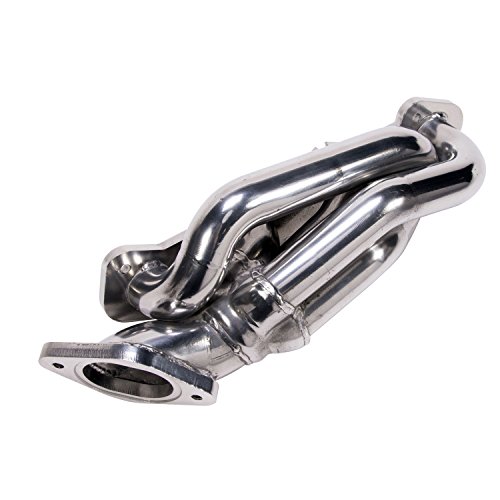
Brand: BBK Performance
Highlights: This variant features a polished silver ceramic finish and the same optimized 1-5/8″ tuned-length tubing for improved exhaust flow. The CNC mandrel bends, along with heavy-gauge tubing and precision welds, are designed to support consistent performance gains and reliability under spirited driving conditions typical of Mustang GT owners. The polished finish also provides a distinct look in engine bays.
Stainless Steel Exhaust Manifold Kits for 5.0L
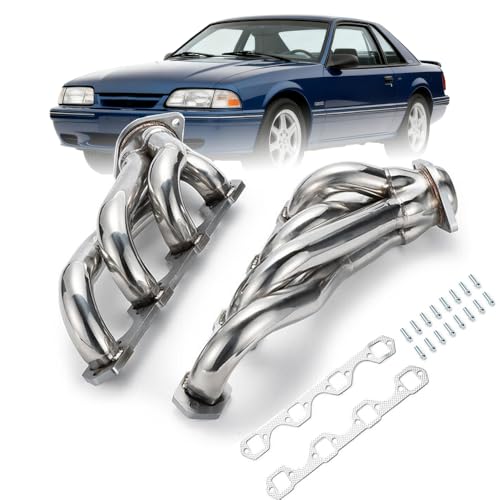
Brand: BUDHIUH
Key Points: This kit targets compatibility with 1979–1993 Mustang 5.0L GT/LX/SVT platforms. Made from high-quality stainless steel with polished finishes to prevent rust, it uses CNC machine flanges and TIG/MIG welding for a durable build. It supports emissions-friendly integration and aims to deliver a long-lasting seal with reduced flow restrictions compared to older manifolds.
Buying Guide
When selecting headers for a Mustang GT, consider fitment, material, and intended use. Here are the main decision factors and how they compare across options:
- Fitment and model range: Ensure headers are listed for your year range (e.g., 1979–1993 for classic GTs) and engine configuration (5.0L V8). Shorty headers offer easier installs with less clearance work, while long-tube designs can provide bigger gains on a tuned setup.
- Material and finish: Stainless steel (304 grade) resists corrosion and can maintain a bright finish longer, while polished or ceramic-coated finishes add style and heat resistance. Ceramic finishes may require more careful heat cycling but can improve longevity in high-heat environments.
- Flow and performance: Expect CNC mandrel bends and 1-5/8″ primaries to improve exhaust flow compared to stock, potentially yielding 10–15 horsepower in favorable conditions. Higher-end BBK options emphasize precision welding and durable construction for consistent performance gains.
- Installation and compatibility: Direct bolt-on designs save time and reduce the need for aftermarket modifications. Copper gaskets and included hardware simplify sealing, but professional installation is recommended for optimal torque specs and leak prevention.
- Emissions and legal considerations: If your area requires emissions-compliant components, verify that the headers and related exhaust components meet local regulations and that installation does not trigger inspection failures.
Performance outcomes will depend on your overall setup, including intake, cam profiles, exhaust size for the rest of the system, and tuning. For a balanced upgrade, pairing headers with a compatible mid-pipe or cat-back exhaust and a ECU re-tune can maximize the benefits while preserving drivability and reliability on daily use. Always follow manufacturer torque specs and use appropriate gaskets to ensure a long-lasting seal and optimal exhaust flow.