Answering the common buyer question: which high-heat paint works best for catalytic converters and nearby exhaust components? This guide highlights five top options, each suited for metal surfaces that endure intense heat. Use these picks to extend lifespan, resist corrosion, and maintain a clean, durable finish. Choose based on heat tolerance, finish preference, and ease of application.
Summary table of chosen products:
| Product | Best For | Key Benefit | Notes |
|---|---|---|---|
| VHT SP114 Flameproof Coating – Orange | High-temperature exhaust components | Flameproof protection with ceramic silicone base | Flat orange finish; pairs with primer and clear coat |
| VHT SP109 Flameproof Coating – Red | Exhaust pipes and manifolds | Excellent heat resistance; matte ceramic base | Best with primer and clear coat |
| Rust-Oleum 248904 Automotive High Heat Spray Paint – Flat Aluminum | Metal engine parts | Stops Rust formula; up to 2000°F tolerance | Dries to touch in 30 min |
| Rust-Oleum 248903 Automotive High Heat Spray Paint – Flat Black | Exposed engine bays and manifolds | Stops Rust protection; high heat tolerance | Dry-to-touch in 30 min |
| Rust-Oleum 7778830 High Heat Enamel – Bar-B-Que Black | Grills, stoves, radiators | Up to 1000°F; durable enamel | Covers 7-8 sq ft |
VHT SP114 Flameproof Coating Very High Heat – Orange Flat

Best for high-heat exhaust components exposed to direct flame or sustained heat, the VHT SP114 provides a flameproof ceramic silicone base with a flat orange finish. It integrates well with primer and clear coats for a durable protective layer. This product suits mechanics who want job-specific visibility and a robust finish. Caution: ensure proper curing in a ventilated area to avoid fumes during application.
VHT SP109 Flameproof Coating Very High Heat – Red

Choose this red flameproof coating for visible engine components or sections that benefit from a bold, heat-resistant color. It shares the same flameproof ceramic silicone base as the SP114, making it suitable for exhaust areas. Best for buyers who want a vivid, durable finish with solid heat protection. Limitation: color may fade slightly with extreme, repeated thermal cycling beyond typical automotive use.
Rust-Oleum 249340 High Heat Primer – Gray
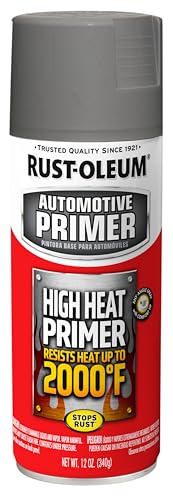
This gray high-heat primer helps create a rust-resistant base coat on metal surfaces such as engines and exhaust parts. It is oil-based and designed to work with subsequent topcoats. Best for buyers who want a reliable foundational layer before color. Caution: primer must be fully dry before applying topcoat for optimal adhesion.
Rust-Oleum 248904 High Heat Spray Paint – Flat Aluminum

Specifically designed for automotive parts and surfaces subject to intermittent high heat up to 2000°F, this aluminum shade provides a durable, rust-resistant base with superior adhesion. Best for buyers seeking a metallic finish with strong corrosion protection. Limitation: aluminum tone may not match all original finishes; test compatibility on small areas first.
Rust-Oleum 7778830 High Heat Enamel – Bar-B-Que Black

Best for grills, wood-burning stoves, radiators, and other metal items subjected to heat up to 1000°F, this oil-based enamel provides durable protection and a classic black finish. It covers a broad area and dries quickly. Choose this if you want a traditional black look with reliable heat resistance. Caution: not rated for continuous exposure beyond 1000°F without periodic reapplication.
Buying Guide
What matters most when selecting high-heat paint for catalytic converters and exhaust components?
- Heat tolerance: Match the product’s maximum operating temperature to the expected heat exposure. For catalytic areas, 1000°F to 2000°F options are common.
- Finish and appearance: Matte, flat, or aluminum tones affect visibility and aesthetics. Pick a finish that pairs with the surrounding components and your preferred look.
- Base chemistry: Flameproof ceramic silicone-based coatings provide robust heat resistance, while oil-based and enamel formulas emphasize durability and adhesion.
- Primer and topcoat compatibility: Some products require or benefit from a primer and clear coat to maximize longevity.
- Application and cure time: Consider dry-to-touch times and recoat windows to fit your workflow and ventilation constraints.
- Rust protection: Stops Rust formulas help prevent corrosion on metal surfaces, extending component life in harsh environments.
Application considerations
- Prepare surfaces by cleaning and removing grease, rust, and loose particles.
- Mask adjacent areas to prevent overspray on non-target parts.
- Apply in thin, even coats. Allow proper drying between coats per product instructions.
Comparison snapshot
Use a quick reference to compare heat tolerance, finish, and primary use cases:
- VHT SP114 – Flameproof ceramic base, orange flat finish; best for high-heat exhaust areas requiring visible color.
- VHT SP109 – Red, flameproof, ceramic base; strong heat resistance with bold color.
- Rust-Oleum 248904 – Flat aluminum; highest heat tolerance in this list; great for metal engine components needing rust protection.
- Rust-Oleum 248903 – Flat black; versatile for engine bays and manifolds with solid protection.
- Rust-Oleum 7778830 – Bar-B-Que Black; up to 1000°F; durable enamel for grills and radiators.
Frequently Asked Questions
- What is the typical maximum temperature for high-heat engine paints? Most options in this guide are rated from 1000°F to 2000°F for intermittent exposure, with some designed for specific components.
- Do I need a primer with all high-heat paints? Not all require a primer, but using a compatible primer can improve adhesion and prevent rust on metal surfaces.
- Can I apply high-heat paint to existing coatings? Yes, but remove loose flakes and ensure the surface is clean and dry before application for best results.
- How long does the coating take to dry? Dry-to-touch times vary by product, commonly around 15–30 minutes, with full cure taking longer per manufacturer instructions.
- Is color choice important for heat performance? Color does not affect heat resistance, but it can influence visibility, heat absorption in outdoor environments, and aesthetics.
- Are these paints safe for catalytic converter areas? They are designed for high-heat automotive surfaces, but follow all manufacturer safety instructions and local regulations during use.