Whether you’re doing a quick dent repair or a full panel refinish, lightweight body fillers make repairs easier and quicker. This guide highlights five top options that balance thin profiles, easy sanding, and strong adhesion for common automotive substrates. Best for DIY hobbyists, body shop pros, and weekend warriors alike, these picks emphasize sandability, cure speed, and broad compatibility so you can choose the right product for your project.
Summary of chosen products:
| Product | Best For | Notes |
|---|---|---|
| Evercoat Lite Weight Body Filler (128 oz) | Large panel repairs | Clog-free formula, easy sanding |
| U-POL Expert High Performance (757 ml) | Quick, durable fills | Ultra lightweight, fast tack-free finish |
| Roberlo Maxifill Superior (3 L kit) | Small to medium dents | Microsphere tech reduces sanding time |
| Evercoat Body Shop Pro-Grade (26 oz) | Pro-style repairs | Fast drying, versatile adhesion |
| High Teck 77062-1 Lightweight Filler (1 gal) | Everyday repairs | Gray paste with putty feel |
Evercoat Lite Weight Body Filler – 128 Fl Oz

Best for large-area repairs where a lighter filler is preferred to reduce weight on the repaired surface. This filler sands to a fine finish and resists clogging, which helps maintain a smooth surface without gouging. It sands easily with 80-grit paper, streamlining preparation before priming. Clog-free formula supports longer sanding sessions without frequent paper changes.
Who it’s for: DIYers tackling big panels, collision repair shops performing bulk fixes, and enthusiasts seeking less material fatigue during sanding. When choosing this, expect a tack-free finish that takes well to topcoating with standard automotive primers.
Limitation: While great for many substrates, very thin structural repairs may benefit from slightly denser fillers to prevent thin-film cracking under flex. For aluminum and fiberglass, surface prep remains critical to maximize adhesion.
High Teck 77062-1 Lightweight Body Filler – 1 Gal

A versatile gray paste designed for quick fills without added weight. Lightweight formulas like this are excellent for reducing flex on repaired panels and speeding up sanding with standard 80-grit paper. It’s marketed as a putty-style filler suitable for aluminum, fiberglass, and common body surfaces.
Best for: projects where a budget-friendly, straightforward filler is needed and the repair area isn’t highly structural. It’s a practical choice for general dent repairs, minor rust patches, and light skim applications.
Limitation: Some users may find longer cure times in cooler environments; ensure adequate ventilation and follow recommended hardener usage for optimal tack-free results.
U-POL Expert High Performance Body Filler – Lightweight

Designed for strength and durability while remaining ultra-lightweight, this filler sands easily and deliver a tack-free finish without shrinking or sagging. It cures quickly enough to allow topcoating in 20–30 minutes, helping you complete repairs faster. Adhesion is strong to multiple substrates, which makes it a flexible option for mixed-material repairs.
Best for: repair technicians who need a fast turnaround and reliable performance on diverse surfaces. Choose this if you’re prioritizing quick sanding times and a smooth, professional finish.
Caution: As with many fast-drying fillers, avoid applying too thick a layer in one pass to minimize risk of cracking on deeper dents.
Evercoat Body Shop 105002 Pro-Grade Body Filler – 13 Fl Oz
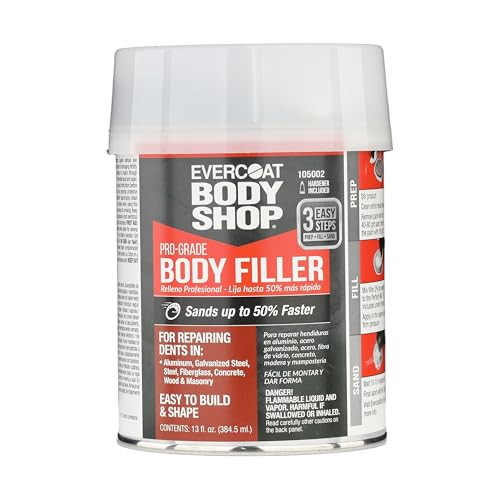
Pro-grade performance with easy mixing, shaping, and sanding. This lightweight filler is designed to deliver high-quality dent repairs with minimal effort and dries quickly for faster workflow. It adheres well to multiple substrates including aluminum and fiberglass, making it a flexible choice for mixed repairs.
Best for: professionals and serious hobbyists who want dependable, fast-drying performance with a broad substrate range. Use this when you need predictable handling and a dependable topcoat-ready surface.
Limitation: Smaller tube size compared to bulk 1-gallon options means more frequent purchases for larger jobs; plan for supply accordingly.
U.S. Chemical & Plastics Special Lite Lightweight Filler – 0.8 Gallon
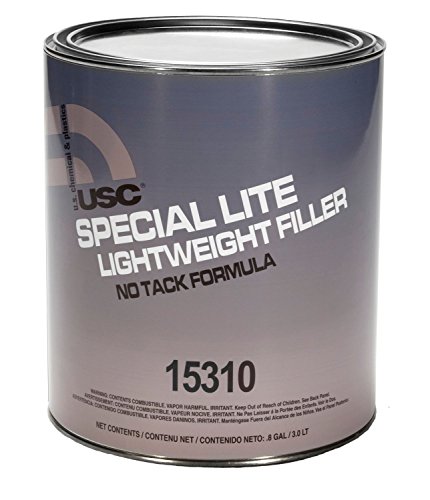
Special Lite is a classic lightweight filler option from a long-standing supplier, designed to balance sandability with solid fill properties. The gallon size is convenient for larger projects and shop use where multiple panels require filling with a consistent product.
Best for: shops that handle frequent, varied repairs and want a reliable, widely available filler with straightforward mixing and sanding. Ideal for standard dent repair on metal and composite surfaces.
Limitation: Availability and consistency can vary by region; ensure stock levels align with project tempo to avoid interruptions.
Roberlo Maxifill – Superior Lightweight Body Filler Kit
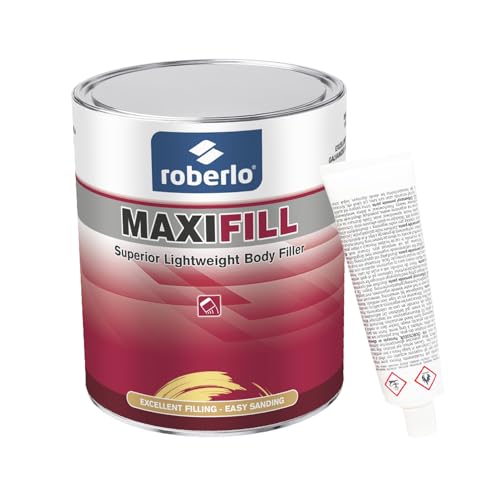
Maxifill uses microsphere technology to reduce sanding time by a significant margin while maintaining strong adhesion across aluminum, steel, zinc, galvanized metal, and fiberglass. The kit includes 3 liters of filler and a hardener, providing a complete repair solution with efficient workflow and easy storage. It’s also designed to inhibit rust, helping ensure long-lasting repairs.
Best for: technicians who prioritise faster sanding and a compact repair kit that covers small to medium dents with corrosion resistance. Choose this for a streamlined, all-in-one purchase that minimizes extra components.
Caution: The kit’s specialized formulation may require precise measuring and mixing; follow instructions closely to achieve optimal tack-free results.
Buying Guide: Lightweight Body Fillers For Auto Repairs
What to consider when selecting a lightweight auto body filler:
- Substrate compatibility: Aluminum, fiberglass, steel, galvanized metal—the right product adheres to all involved materials. Look for fillers that mention broad substrate adhesion.
- Drying time and sanding: Faster drying can speed up workflows, but ensure you have time to shape and sand before it cures too hard. Sanding ease (80–120 grit) matters for a smooth finish.
- Weight and addressable thickness: Lighter fillers reduce panel stress and are easier to work with on large repairs. Consider the recommended maximum buildup per layer to avoid sagging.
- Ease of mixing and workability: Creamy, spreadable fillers that apply evenly reduce waste and improve finish quality. Pre-mixed or easy-mix formulations can save time.
- Cost per repair: Large-volume fillers may offer better value for frequent repairs, while smaller tubes suit occasional projects. Consider hardener compatibility and pot life.
- Rust inhibition and longevity: Some products include rust inhibitors for longer-lasting repairs, especially on older vehicles or exposed panels.
- Storage and kit completeness: Kits with hardeners and multiple packaging sizes help match project scope and keep supplies organized.
FAQ
- What is the main advantage of lightweight body filler? It reduces panel weight and eases sanding, enabling quicker repairs on various substrates.
- Can these fillers be used on aluminum panels? Yes, many listed products advertise aluminum adhesion with minimal shrinkage and good finish.
- How long does it take for filler to dry enough for sanding? Drying times vary; expect tack-free surfaces within 20–50 minutes depending on formulation and temperature.
- Should I primer immediately after applying filler? Typically yes, after achieving a smooth, tack-free surface, followed by proper sanding to prepare for primer.
- Is a kit better than buying filler in bulk? Kits simplify mixing and storage and are convenient for small to medium repairs; bulk fillers are more economical for large projects.
- What should I avoid when using lightweight fillers? Avoid overly thick applications in a single pass and neglecting surface cleaning, which can compromise adhesion.