Sure, you can tackle oil changes with basic tools, but a purpose-built oil filter wrench makes the job faster and reduces the risk of damaging the filter or engine. This guide highlights five dependable options that work well for motorcycles, ATVs, and light vehicles. Each pick suits different spaces, filter sizes, and user levels—from DIY riders to professional mechanics. Below is a quick comparison to help you decide which wrench fits your bike and workflow best.
| Product | Best For | Key Size Range | Notable Benefit |
|---|---|---|---|
| HORUSDY 12″ Adjustable Oil Filter Pliers | Compact engine bays | 64–118 mm | Angled jaw for tight spaces |
| WORKPRO Universal Oil Filter Wrench | Tight spaces, multiple vehicles | 60–95 mm | Three-jaw design with strong magnetic grip |
| Shonee 64mm/2.5″ 14 Flutes Wrench | Motorcycles and small engines | 64 mm | Steel build with 1/2″ drive compatibility |
| BSAMZO Harley 76mm 14 Flutes | Harley-Davidson spin-on filters | 76 mm | Durable forged metal, non-slip for tough pulls |
| TSIEBRV 65mm 14 Flutes Wrench | Honda, Nissan, Acura models | 65 mm | 14-flute design for better grip |
HORUSDY 12″ Adjustable Oil Filter Pliers

Best for: Riders who need a compact, versatile tool that reaches tight engine compartments. The HORUSDY design provides a wide fit range and a 20° angled jaw to reach filters tucked high or at odd angles. It suits most motorcycles and small cars with filters from roughly 64 mm to 118 mm in diameter. The 20° jaw orientation helps in cramped bays, making torque application smoother. Caution: It may be less effective on filters with unusual shapes or heavily corroded housings.
WORKPRO Universal Oil Filter Wrench Adjustable

Best for: Home mechanics with multiple vehicles or tight spaces. The tool fits filters from 2-3/8 to 3-3/4 inches (60–95 mm) and uses three rotatable legs with a strong magnetic core for a secure grip. This makes it a good choice when working on bikes, ATVs, or compact cars where space is limited. Caution: The magnetic grip can pick up metallic debris; keep the area clean to avoid contamination.
TSIEBRV 65-64mm 14 Flutes Wrench

Best for: Riders with Honda, Nissan, and Acura bikes or cars requiring a precise 64–65 mm, 14-flute grip. The 14 flutes provide a stable, slip-resistant surface to loosen tight filters without damaging the housing. The tool is built to handle typical automotive torque demands. Caution: Confirm the exact filter size on your vehicle before purchase to avoid a mismatch.
BSAMZO Harley 76mm 14 Flutes Cap Tool
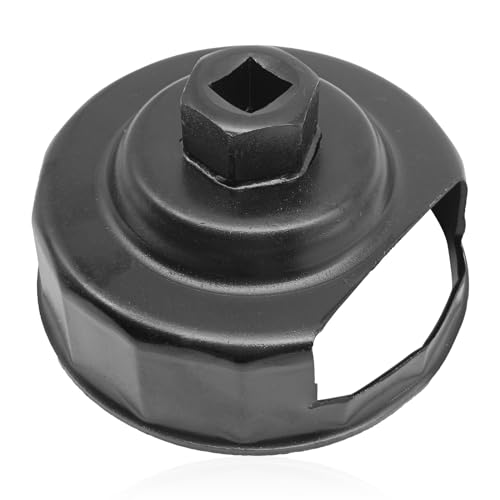
Best for: Harley-Davidson riders performing spin-on filter changes. This tool uses a 76×14 flute design to fit Harley filters, with durable forged metal construction for long life under heavy torque. Caution: Not compatible with non-Harley spin-on filters or certain aftermarket cartridge styles; verify filter type before use. This wrench is ideal when you consistently service Harley-Davidson bikes and want a dedicated fit.
Buying Guide: Key Purchase Considerations
Filter size compatibility is the most critical factor. Most motorbike filters range from about 60 mm to 120 mm in diameter, so choose a wrench that matches your bikes’ typical filter size. If you work in tight engine bays, look for angled jaws or multi-point contact to minimize slippage. A magnetic base or strong gripping legs helps secure the filter during removal, especially for stubborn or corroded units. Material quality matters: forged steel and high-carbon designs resist bending and provide reliable torque. If you own multiple bikes or a mix of motorcycles and ATVs, a universal model with adjustable jaws and broad size range can simplify your toolkit. Always confirm compatibility with your exact model and the filter type (spin-on vs cartridge) before purchasing.
Buying Guide: Practical How-To Tips
- Check filter diameter on your bike before selecting a wrench. Common sizes are around 64 mm, 65 mm, and 76 mm.
- Use penetrating oil on heavily corroded filters, wait a few minutes, then attempt removal with steady, even torque.
- Keep a clean workspace to avoid metal shavings entering the engine. Wipe the area after removal and inspect the filter housing.
- For tight spaces, a wrench with an angled jaw design can dramatically improve access and leverage.
Frequently Asked Questions
- What is an oil filter wrench used for? – It helps grip and turn oil filters during removal and installation, especially when the filter is tight or recessed.
- Which wrench fits most bikes? – Universal wrenches with adjustable jaws and multiple contact points fit a wide range of filters; verify your largest and smallest filter diameters.
- Can I use pliers instead? – Regular pliers may crush or slip on the filter, increasing the risk of damage. A purpose-built oil filter wrench offers better grip and control.
- Is a 14-flute wrench better than others? – A 14-flute design provides more contact points, reducing slip on standard spin-on filters; ensure the size matches your filter.
- Are magnetic wrenches safe for all bikes? – Yes, magnets help hold the tool in place in loose-fitting housings, but clean the area to prevent metal debris from entering the engine.
- Should I replace the filter housing after use? – No, but inspect the housing for wear or damage and replace the filter per your maintenance schedule.