Low oil pressure can be a sign of worn components or insufficient lubrication. This guide highlights effective oil additives that help stabilize oil pressure, reduce engine noise, and prolong engine life. The selections below focus on proven stabilizers and treatments from trusted brands, designed for gas and diesel engines, vintage and modern vehicles alike. Each product section includes key features and practical considerations to help you choose the right supplement for your engine’s needs.
| Product | Brand | Type | Key Benefit |
|---|---|---|---|
| Lucas Oil 10118 High Mileage Oil Stabilizer | Lucas Oil | Oil Stabilizer | Reduces wear, quiets engine, minimizes oil consumption |
| Prolube Oil Treatment | Prolube | Oil Additive | Increases horsepower, reduces noise, extends engine life |
| Lucas Oil 10130 Pure Synthetic Oil Stabilizer | Lucas Oil | Synthetic Stabilizer | Improves film strength, stabilizes pressure in modern engines |
| Lucas Oil 10001 Heavy Duty Oil Stabilizer | Lucas Oil | Oil Stabilizer | Heavy-duty protection for new and older engines |
| Liqui Moly Motor Oil Saver | Liqui Moly | Oil Additive | Reduces oil consumption, prevents leaks |
Introduction to selections: The five products below were chosen for their compatibility with a range of engines, their track record in reducing friction and wear, and their ability to help stabilize oil pressure in typical driving scenarios. Each entry summarizes the product’s purpose, the type of engines it supports, and the practical considerations a consumer should weigh when deciding whether to use it.
Lucas Oil 10118 High Mileage Oil Stabilizer
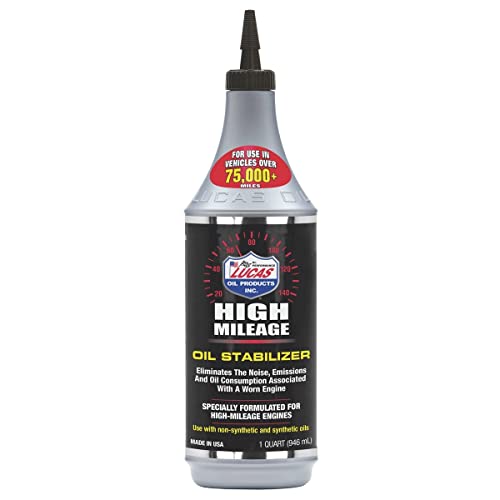
Lucas Oil 10118 is designed for high-mileage engines, offering lubrication benefits aimed at minimizing wear across all internal parts. By forming a protective film and reducing friction, it can help stabilize oil pressure in engines with worn components. The formula is marketed to reduce noise, emissions, and oil consumption associated with aging engines, which can indirectly support more consistent oil pressure readings under typical driving conditions.
Prolube Oil Treatment

Prolube Oil Treatment emphasizes power and efficiency, claiming to cut engine noise and vibrations while boosting horsepower. It also promotes better fuel economy by reducing friction within the engine, which can contribute to steadier oil pressure under load. The product is positioned for both gas and diesel engines and can be used across transmissions and differentials in some formulations, offering a broader application for mixed fleets or owner-operators seeking one additive with multiple benefits.
Lucas Oil 10001 Heavy Duty Oil Stabilizer

This entry markets itself as the world’s most recognized oil additive, formulated with 100% petroleum. It’s positioned for heavy-duty and new engines, providing a conservative, proven approach to reducing friction and wear. For owners dealing with variable oil pressures, this stabilizer is used to maintain a consistent protective layer across the engine’s bearings and moving parts, potentially helping to normalize oil pressure fluctuations in wear-prone engines.
Lucas Oil 10130 Pure Synthetic Oil Stabilizer

Lucas Oil 10130 is described as the world’s leading synthetic oil additive with a focus on film strength and long-lasting lubrication. It is designed to stabilize oil pressure in modern electronically controlled engines, where precise oil regulation is critical for performance and durability. The synthetic base may offer better high-temperature stability, making it a favorable option for engines subjected to higher stress or more aggressive driving styles.
Liqui Moly Motor Oil Saver

Liqui Moly’s Oil Saver focuses on reducing oil consumption by improving lubrication at critical seals and piston rings. The product claims to help prevent blue smoke and leaks due to elastomeric seals. For drivers facing minor oil thinning or consumption issues linked to aging seals, this additive can supplement regular maintenance by promoting a steadier oil film and improving overall engine efficiency, which may contribute to steadier oil pressure in some engines.
Buying Guide
- Engine type and age: High-mileage engines often benefit from stabilizers designed to cushion wear and restore oil films. For new or modern engines, synthetic-based additives can offer better film strength and stability under heat and pressure.
- Oil pressure symptoms: If you notice intermittent pressure drops, ticking sounds, or elevated engine noise at cold start, a stabilizer may help by improving lubrication early in the cycle.
- Viscosity compatibility: Check your engine’s manual for recommended viscosity and ensure the additive is compatible with that grade. Some products are formulated for broad compatibility, while others target specific oil types.
- Fuel economy vs. protection: Some additives claim fuel savings and reduced wear; weigh the priority of noise reduction and protection against potential small changes in viscosity.
- Engine condition and maintenance history: For engines with significant wear, a stabilizer might provide temporary relief, but it is not a substitute for professional inspection or possible component replacement.
- Application scope: While some products cover only engines, others may advertise compatibility with transmissions or differentials. Use only where appropriate to avoid unintended effects.
- Manufacturer guidance: Follow the product’s dosage instructions and avoid combining multiple oil treatments unless explicitly approved by the manufacturers to prevent additive interactions.
In selecting an oil additive for low oil pressure, consider engine age, symptoms, and maintenance history. Stabilizers can help improve film strength and reduce friction, which supports steadier pressure readings and longer engine life. For persistent or severe pressure issues, diagnosis by a qualified mechanic is recommended to rule out underlying mechanical problems.