If you’re searching for a reliable performance boost for gasoline or diesel engines, an oil additive can help improve combustion, reduce wear, and support smoother operation. This guide highlights five proven options and explains who each product is best for, plus practical buying considerations. The top picks are suited for everyday drivers, heavy-duty users, and those seeking extended engine life. A quick summary table follows to compare the essentials at a glance.
| Product | Best For | Key Benefit |
|---|---|---|
| Lucas Oil 10026 Octane Booster | Fuel-injected or carbureted engines | Greater octane boost and cleaner fuel burn |
| XADO RED BOOSTER | Performance-minded engines seeking wear protection | Self-regulating ceramic-metal coating for friction reduction |
| Prolube Oil Treatment | Daily drivers and mixed fleet | Reduces wear, noise, and vibration; improves fuel economy |
| Bardahl Engine Power Booster | High-load, high-temperature operation | Increases oil viscosity protection and reduces deposits |
| Lucas Oil 10130 Pure Synthetic Stabilizer | Modern engines with electronic control | Stabilizes oil pressure; enhances film strength |
Note: When choosing an additive, consider your engine type, driving conditions, and any manufacturer recommendations. The following sections describe each product in detail, including ideal use cases, benefits, and practical caveats.
Lucas Oil 10026 Octane Booster – 15 Ounce

Best for engines that rely on premium octane and clean burning, the Lucas Oil 10026 Octane Booster is suitable for fuel-injected and carbureted engines. It provides a noticeable octane boost and promotes cleaner fuel burn, which can help reduce emissions and improve throttle response. This option is well-suited for daily drivers who want a straightforward additive that supports performance and cleaner operation. Caution: Use as directed; overuse can lead to unexpected engine behavior in some modern engines.
XADO RED BOOSTER Engine Oil Additive

Best for engines where wear protection and oil longevity are priorities. XADO RED BOOSTER creates a self-regulating ceramic-metal coating that reduces friction and helps prevent wear. It also includes Visco-Stabil LM to maintain consistent viscosity under stress, and enhanced anti-oxidation with extra TBN boost. This makes it a strong pick for high-mileage engines or those exposed to extreme conditions. Limitation: The ceramic coating concept may be more effective over time; immediate feel of improved performance may vary by engine type.
Prolube Oil Treatment – Engine Oil Additive
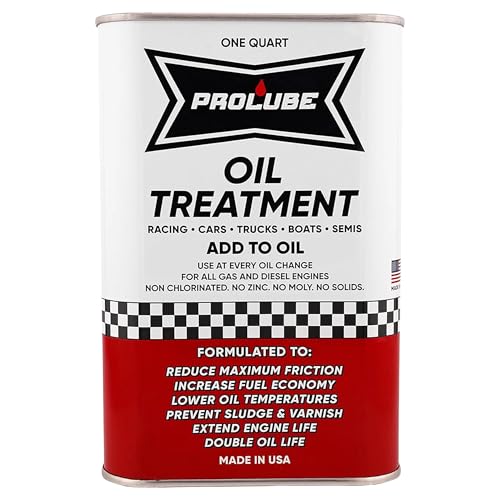
Best for drivers seeking an all-around performance improvement with quieter operation and potential fuel economy gains. Prolube emphasizes reducing wear, noise, and vibration while boosting horsepower and efficiency. It also highlights extended lifespans by lowering friction across engine components. Choose this if you want a comprehensive treatment that covers performance and longevity. Caution: Results may depend on engine condition and driving habits; not all vehicles will exhibit the same level of benefits.
Lucas Oil 10026-PK12 Octane Booster – 15 oz (Pack of 12)
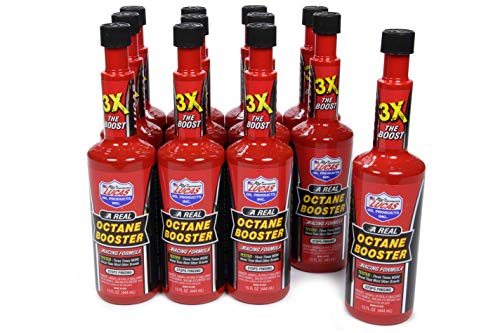
Best for fleet or multiple-vehicle owners who want a consistent octane-boosting solution and cleaner fuel burn. This pack provides the same benefits as a single bottle and is convenient for regular maintenance. It is particularly suitable for vehicles that regularly encounter high-performance driving or heavy loads. Limitation: Pack size may be more than needed for a single vehicle, so plan usage accordingly.
Bardahl Engine Power Booster

Best for high-load, high-temperature operation such as towing, off-roading, or RV usage. Bardahl Engine Power Booster increases oil viscosity protection and helps prevent deposits that can form under heavy workloads. It’s suitable for gasoline and diesel engines across various oils, including synthetic. Limitation: Effectiveness can depend on operating conditions; very light-duty use may show minimal gains.
Lucas Oil 10130 Pure Synthetic Oil Stabilizer

Best for modern engines with electronic control systems that require stable oil pressure and robust film strength. This stabilizer is positioned as a top synthetic option to support engine protection and film integrity. It can be a good fit for drivers seeking long-term oil system reliability. Caution: Synthetic stabilizers are most effective when used as directed with compatible oil brands and viscosity grades.
Buying Guide
- What type of engine do you own? Gasoline, diesel, or hydraulic systems require different additives. Match the product’s design to your engine type and service needs.
- What driving conditions do you face? High-load, high-temperature operations benefit from boosters designed for wear protection and viscosity stability.
- Are you maintaining an older engine or a newer model? Older engines may see clearer benefits from wear-reducing additives, while newer engines often benefit from stabilizers and clean-burn formulations.
- Do you prefer single-use bottles or bulk options? For multiple vehicles, packs offer convenience and consistent treatment, but may be more than needed for a single car.
- Are emissions and fuel efficiency a priority? Some octane boosters and fuel-burn aids focus on cleaner combustion and potential efficiency gains.
- What are your vehicle’s maintenance recommendations? Always consider manufacturer guidance to avoid conflicts with warranties or fuel system components.
FAQ
- Do oil additives really increase engine performance? They can reduce wear, improve lubrication, and enhance fuel burn in many engines, but results vary by engine design and operating conditions.
- Can I use multiple additives at once? It is generally not recommended to mix different brands or types without professional guidance, as interactions could affect performance or engine health.
- Are octane boosters safe for all engines? Most are designed for standard gasoline engines, but always follow product directions and consult your vehicle’s manual if unsure.
- Will additives fix pre-existing engine damage? No additive can repair major mechanical failures; they primarily support lubrication, cleanliness, and wear protection when used as part of regular maintenance.
- How often should I apply an additive? Follow the manufacturer’s interval guidelines. For some products, one treatment per oil change is typical; for others, periodic dosing is recommended for ongoing protection.
- Do additives affect warranty coverage? Some manufacturers caution against altering the oil system; always verify compatibility with your warranty terms.