Looking for a reliable hitch setup for RV towing? This guide highlights five top picks that fit common RV and trailer configurations, focusing on durability, ease of use, and compatibility. Each option suits different buyers: heavy-duty towed-vehicle owners, RV campers needing quick hookups, and travelers needing flexible receiver compatibility. The table below summarizes the essentials to help you compare at a glance.
| Product | Best For | Key Benefit |
|---|---|---|
| VEVOR Tow Bar, 5500 lbs | Large RVs and trucks needing robust towing | High capacity with easy snap-and-go setup |
| MaxxHaul 70108 Aluminum Cargo Carrier | Lightweight hauling for RVs and SUVs | Lightweight aluminum with high side rails for cargo |
| Stromberg Carlson CC-300 Adjustable Hitch | Back-of-camper bike racks and cargo carriers | Adjustable 2″ hitch, Class I/II options |
| Blue Ox BX7421 Class IV Tow Bar | Heavy towing with ease of use | 10,000 lb capacity and non-binding latches |
| VEVOR Class 3 Trailer Hitch | RAV4 and similar compact SUVs | Class 3, easy installation, durable steel |
VEVOR Tow Bar, 5500 lbs Towing Capacity

This tow bar is designed for heavy-duty towing with a 5500 lbs capacity, making it suitable for larger vehicles towed by an RV or truck. The alloy steel construction adds durability, and the 2-inch ball hitch with an adjustable width up to 41 inches provides compatibility across multiple vehicle types. It features glow-in-the-dark strips for visibility and grade 8.8 bolts for secure assembly. Best for owners needing robust towing and straightforward setup.
Who it’s best for: RV drivers with moderately heavy towed loads who want a simple, snap-and-go connection. Limitations: installation requires careful alignment; ensure bolt hardware is tightened to specification for safety.
MaxxHaul 70108 Aluminum Cargo Carrier With High Side Rails

This aluminum cargo carrier combines rust resistance with a sturdy under-support frame and a 2″ x 2″ hitch shaft compatible with Class III and IV receivers. High side rails provide secure cargo containment and multiple tie-down points, while reflector lenses enhance visibility. Best for RVs needing auxiliary cargo space without adding excessive weight.
Who it’s best for: RV owners who want extra hauling capacity for gear and supplies while maintaining light overall weight. Limitation: rated load is 500 lb, so avoid overloading the carrier beyond its capacity.
Stromberg Carlson CC-300 Adjustable Accessory Hitch

The CC-300 creates a 2″ hitch on trailers and fifth wheels, enabling bike racks and cargo carriers on the back of campers. It supports Class I and Class II configurations, adaptable to cars and trailers. Durable alloy steel with a powder-coated finish ensures long-lasting use in varied weather. Best for campers needing flexible mounting options for accessories.
Who it’s best for: RVers who frequently add bike racks or lightweight cargo carriers. Limitation: installation may require frame access and proper welding or bolting depending on vehicle type.
DBXB-RV Class 3 Trailer Hitch 2-Inch Receiver

This Class 3 hitch fits specific minivan and SUV models (examples include Ram C/V and Dodge Grand Caravan ranges). It features a custom-fit design with manufacturer-aligned specifications to ensure secure towing and straightforward installation. Safety-tested and built with high-strength materials for reliable towing in everyday and long-distance trips.
Who it’s best for: Owners of compatible minivans or SUVs seeking a precise, factory-aligned Class 3 hitch. Limitation: verify vehicle compatibility with the listed applications to avoid misfit.
MaxxHaul 50173 Hitch Receiver Adapter
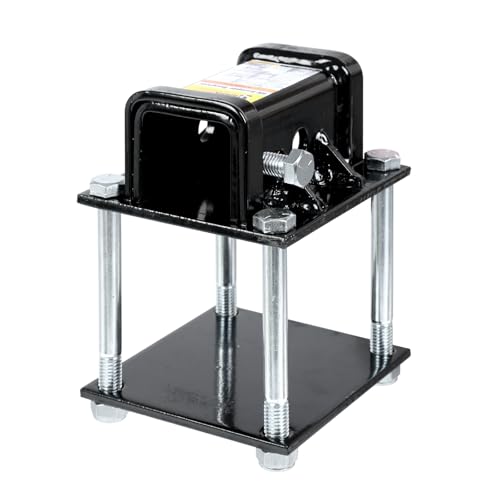
This adapter provides a 2″ x 2″ receiver from 4-inch square RV bumpers, enabling use of hitch-mounted accessories such as bike racks or cargo carriers. It supports up to 200-lb tongue weight, which is suitable for light-duty auxiliary accessories. Best for RVs with square bumper configurations needing a standard hitch interface.
Who it’s best for: RVs that require a compatible adapter to use standard 2″ hitch accessories. Limitation: weight capacity is limited to 200 lb tongue weight, so heavier loads require a different solution.
Blue Ox BX7421 Class IV Tow Bar

With a 10,000-pound tow rating, this Class IV tow bar is designed for heavy-duty flat towing. Self-aligning arms and patented non-binding latches facilitate quick hookups, while the metamorphic rock powder coat provides durable, weather-resistant protection. Best for owners who need robust towing with easy, reliable connections.
Who it’s best for: Users towing larger or heavier vehicles where smooth hookups and security matter. Limitation: higher capacity options may require more complex base plate systems for certain vehicles.
VEVOR Class 3 Trailer Hitch, 2-Inch Receiver

This Class 3 hitch is designed for 2020-2026 Toyota RAV4 models, offering a precise fit and a straightforward three-piece split installation design. Crafted from heavy-duty Q345B steel and coated to resist wear, rust, and UV exposure. Best for compact SUVs needing a strong and easy-to-install hitch solution.
Who it’s best for: RAV4 drivers and similar cars seeking a dedicated, durable hitch. Limitation: only certain vehicle models are listed as compatible; confirm fit before purchase.
Buying Guide
What to consider when choosing an RV tow hitch
- Vehicle compatibility: Check receiver size (2-inch is standard) and class rating to ensure it matches your tow vehicle and desired trailer or accessory.
- Towing capacity: Match the hitch rating to the weight of your towed vehicle or cargo. Exceeding capacity can compromise safety and performance.
- Installation complexity: Some hitches use bolt-on assembly, others require welding or frame access. Decide if you want a DIY install or professional help.
- Durability and materials: Steel options with protective coatings (powder coat, rust-resistant finishes) extend life in varying weather conditions.
- Accessory compatibility: If you plan to mount bike racks, cargo carriers, or adapters, verify fit with your bumper or receiver and weight limits.
- Safety features: Look for non-binding latches, easy alignment aids, and reflectors or safety cables where applicable.
FAQ
- Q: What is the most versatile hitch for RVs? A: Hitches with a 2″ Class III/IV rating and easy installation tend to be versatile across a range of vehicles and trailers.
- Q: Do all hitches fit every bumper or bumper adapter? A: No; verify bumper type, bumper adapters, and receiver compatibility before purchasing.
- Q: How important is towing capacity for RV use? A: Very important; choose a capacity that safely covers the heaviest vehicle or trailer you plan to tow.
- Q: Are there safety features I should prioritize? A: Non-binding latches, self-aligning arms, and clearly visible hardware or reflectors improve hookup reliability and safety.
- Q: Is professional installation recommended? A: For complex mounts or frame modifications, professional installation is advised to ensure proper fit and safety.