If you need reliable exterior storage for tools, batteries, and outdoor gear, a trailer hitch travel box is a smart upgrade. This guide focuses on rugged, weather-resistant options that fit common trailer tongues and RV applications. It highlights versatility for DIYers, contractors, RV travelers, and outdoors enthusiasts who want quick access and secure protection. Below is a quick product snapshot to help compare core features at a glance.
| Product | Size (approx.) | Material | |
|---|---|---|---|
| VEVOR Trailer Tongue Box — Steel, 36″ x 12″ x 12″ | 36″×12″×12″ | Steel | Medium tool storage on lighter trailers or small RVs |
| FORWODE Trailer Tongue Box — Aluminum, 39″ x 16.5″ x 11.5″ | 39″×16.5″×11.5″ | Aluminum | High-capacity storage with light weight for frequent travelers |
| VEVOR Trailer Tongue Box — Aluminum, 39″ × 16.5″ × 12″ | 39″×16.5″×12″ | Aluminum | Broad storage for tools and outdoor gear |
| VEVOR Trailer Tongue Box — Steel, 49″ × 13.9″ × 18.5″ | 49″×13.9″×18.5″ | Steel | Large, heavy-duty storage on bigger trailers |
| MAXXHAUL 34″ Steel Trailer Tongue Box | Approx. 34″ | Steel | Rugged, weather-resistant attraction for boats and RVs |
VEVOR Trailer Tongue Box — Heavy Duty Steel, 36″ x 12″ x 12″

This tongue box uses robust steel with a double-sided coating for corrosion resistance. It offers a spacious 36″ × 12″ × 12″ interior, suitable for batteries, tools, and outdoor gear. The design aims to minimize trailer weight while delivering weather protection through an overlapping door seal. Best for: buyers needing sturdy, mid-sized storage on standard trailer tongues. Limitation: heavier than aluminum options, which could impact payload on smaller trailers.
FORWODE Trailer Tongue Box — Aluminum, 39″ x 16.5″ x 11.5″
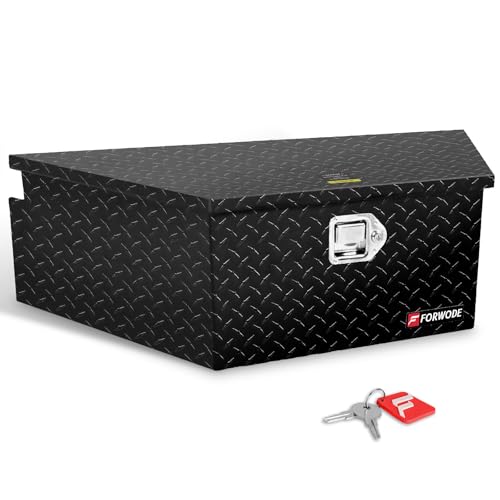
This tongue box is built from diamond-plate aluminum with a black anti-rust coating, offering lighter weight and strong durability. The 39″ × 16.5″ × 11.5″ footprint fits many pickup beds and RVs while maintaining cargo space. It includes a gas strut for one-handed opening and a built-in lock for security. Best for: users prioritizing lighter weight with high capacity. Limitation: aluminum may be less impact-resistant than steel in extremely rough environments.
VEVOR Trailer Tongue Box — Aluminum, 39″ × 16.5″ × 12″

This aluminum tongue box shares a similar footprint with FORWODE but emphasizes a five-bar pattern finish and reinforced rust resistance. Its generous interior (39″ × 16.5″ × 12″) stores batteries, tools, and camping gear with weather-resistant seals. Best for: users wanting a balance of capacity and lightness with durable finish. Limitation: aluminum may dent with heavy impact; choose mounting hardware carefully to protect corners.
VEVOR Trailer Tongue Box — Steel, 49″ × 13.9″ × 18.5″
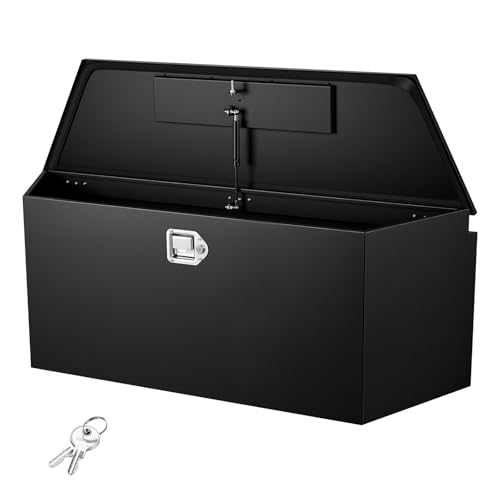
This larger steel option provides an expansive interior suitable for heavy-duty storage on longer or larger trailers. It uses thick cold-rolled steel and features overlapping doors with broad sealing strips to block water intrusion. Best for: professionals needing maximum organized space and rugged protection. Limitation: larger footprint may impact hitch clearance on compact setups.
MAXXHAUL 34″ Steel Trailer Tongue Box
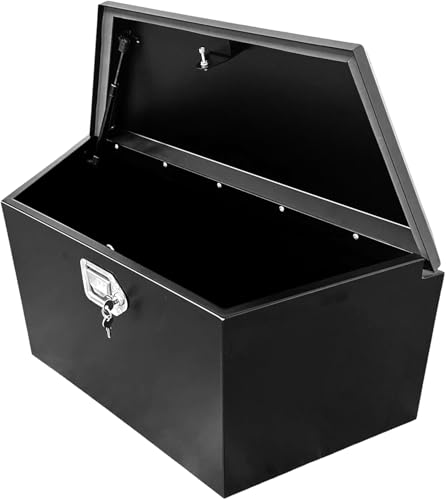
Designed specifically for A-frame trailers, RVs, and utility setups, this 34″ steel box maximizes hitch space while delivering weather-resistant protection. It features a durable powder-coated finish and a secure lid. Best for: users needing a rugged, straightforward mounting on standard A-frame tongues. Limitation: slightly smaller interior than some aluminum options, which may reduce max cargo size for bulky gear.
Buying Guide
What size should you choose? Consider your trailer tongue length, available bed space, and typical cargo. Smaller tongues suit 26″–36″ boxes, while larger trailers can accommodate 39″–49″ options with more interior room.
Steel vs. aluminum:
– Steel offers superior impact resistance and durability in demanding environments.
– Aluminum provides lighter weight and good corrosion resistance, aiding payloads on smaller trailers and when weight is a critical factor.
Weather protection is essential. Look for overlapping doors and wide sealing strips to minimize water intrusion in rain or snow. A proper moisture seal keeps tools and batteries dry and prevents rust.
Locking security is a key consideration for outdoor storage. Many models include a built-in lock and keys; ensure the mechanism is robust enough for the intended exposure level.
Installation and mounting requirements vary by model. Check mounting brackets, screws, and compatibility with your trailer type (A-frame, flatbed, RV, or hitch rack). A few models are designed to minimize payload impact with lightweight aluminum options.
What to compare at a glance
- Interior dimensions and shape (rectangular vs. tapered for corners).
- Material weight and structural strength.
- Seal quality and door design.
- Locking security features and keys included.
- Overall payload impact on your trailer’s hitch setup.
FAQ
- Q: Are trailer tongue boxes weatherproof?
A: Most models use overlapping doors and sealing strips to block water intrusion; check the specific seal design for your chosen model. - Q: Which material is best for heavy use?
A: Steel tongue boxes generally offer higher rigidity and impact resistance, while aluminum boxes save weight. - Q: Do these boxes fit all trailer tongues?
A: Fit varies by model; assess interior dimensions and mounting hardware compatibility with your tongue length and width. - Q: Is locking necessary for exterior storage?
A: Locking features deter theft and protect contents when parked in public spaces; consider hardened locks for higher security. - Q: Can these boxes be mounted on RVs?
A: Yes, most options are designed for RVs, pickups, and utility trailers, but verify mounting points and weight distribution for your setup. - Q: How should I maintain a tongue box?
A: Regularly check seals, lubricate hinges, clean out debris, and inspect mounting hardware for corrosion or looseness.