Answering the search for a reliable truck bed solar panel setup, these picks are aimed at off-roaders, van lifers, campers, and RV enthusiasts who want portable, adaptable solar on curved or limited roof spaces. Each option offers a blend of flexibility, weight, and efficiency for compact truck beds or camper shells. Best for curved roofs, stealth installs, or space-constrained rigs, these panels help keep batteries charged and devices powered on long trips. Below is a quick at-a-glance table of the top five chosen products.
| Product | Best For | Why It Stands Out |
|---|---|---|
| Renogy 100W Flexible Panel | Curved surfaces on vans, campers, boats | High flexibility, light weight, PERC tech for better output |
| Renogy 400W Portable Solar Blanket | Max power in tight spaces | 16-fold, high efficiency, versatile installation |
| Callsun 200W Flexible Kit | Stealth, low-profile roof mounting | All-black stealth design, 240° bendable, ETFE coating |
| Renogy 200W Flexible Panel | Medium to large truck beds | Half-cut PERC cells, very light, great for uneven surfaces |
| ECO-WORTHY 200W Kit | All-around off-grid power | High efficiency, durable framing, 800Wh/day potential |
Renogy 100W Flexible Panel 12V
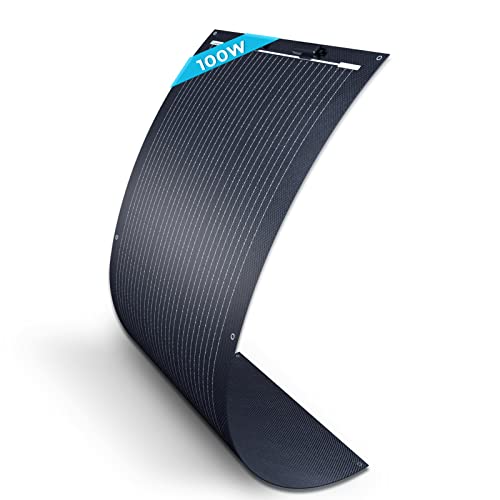
Best for: Vehicle rooftops with curves, small campers, and portable RV setups. This panel uses a 240° bendable design and weighs significantly less than rigid panels, making it ideal for irregular surfaces. The half-cut PERC cell technology enhances light capture for higher efficiency. Caution: Flex panels can be more sensitive to sharp edges and mounting strain; ensure proper protection on edges and secure mounting to prevent micro-cracks.
Renogy 400W Portable Solar Blanket
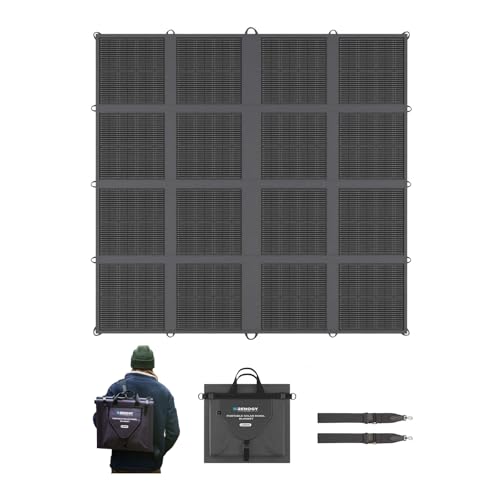
Best for: Off-grid campers with limited space who still need high daily output. The 16-fold design dramatically reduces storage size while delivering up to 400W at peak. It supports multiple installation methods, including windshield placement or ground deployment. Limitation: Larger foldable size when deployed may require more shade clearance or mounting area compared to smaller panels.
Callsun 200W Flexible Kit

Best for: Van life and stealth applications where a low-profile, all-black panel is preferred. This kit features up to 240° flexibility and an ultra-thin 0.1-inch profile, making it nearly flush with the roof. The ETFE-coated modules are designed to endure harsh elements. Caution: The 200W rating may require more space on smaller trucks; verify roof area before purchase.
Renogy Flexible 100W Mono Panel

Best for: Curved surfaces on RVs, campers, and vans where a discreet, low-profile install is desired. This panel uses semi-flexible construction with a very thin lamination and lightweight build. Limitations: While flexible, coverage area is smaller than higher-wattage kits, so expect longer charging times for large loads or overcast days.
Renogy 200W Flexible Panel

Best for: Medium-sized truck beds and RVs with curved or uneven surfaces. A 200W panel provides a solid balance of power and flexibility, featuring half-cut PERC cells for efficient energy capture. Caution: Flexible panels are still susceptible to micro-cracks if flexed beyond recommended angles or mounted without proper edge protection.
ECO-WORTHY 200W Kit
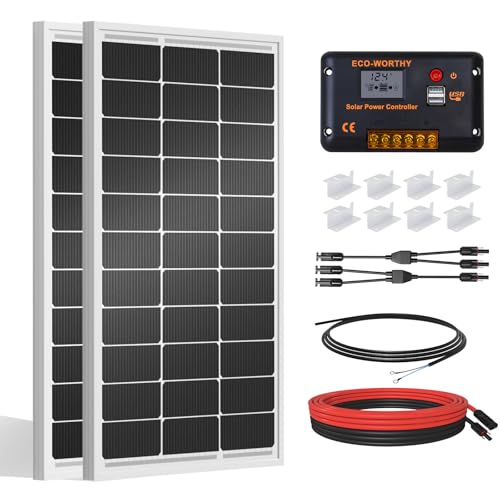
Best for: Off-grid setups requiring a complete kit with controller for RVs, campers, or boats. The kit includes a 200W panel and a 30A PWM controller, offering a straightforward, reliable charging option. Caution: PWM controllers are typically less efficient than MPPT; for best long-term efficiency, ensure proper battery type compatibility and consider an MPPT upgrade if power needs increase.
Buying Guide: Key Considerations For Truck Bed Solar Panels
- Panel flexibility vs. wattage: Flexible panels work well on curved truck beds, but higher wattage panels may require more storage space when not in use.
- Weight and installation: Lighter panels are easier to mount on lightweight racks, but ensure secure mounting to withstand road vibration and wind.
- Cell technology: Half-cut PERC cells improve efficiency and performance in partial shade; N-type cells can offer higher efficiency in limited space.
- Coating and durability: ETFE coatings resist yellowing and wear; ensure the frame is corrosion-resistant for outdoor use.
- System compatibility: Check voltage (12V/24V) and compatibility with charge controllers and battery banks in your truck or camper.
- Portability: Foldable or blanket designs help with storage in tight spaces; consider how you’ll deploy and retrieve the panel on the road.
F.A.Q. For Truck Bed Solar Panels
- Q: Can I install flexible solar panels directly on a metal truck bed? A: Yes, but use a proper mounting method to avoid stress on corners and ensure good electrical grounding.
- Q: What is the practical daily output for these panels? A: Many 100–200W panels can yield several hundred watt-hours per day under good sun; results vary by location and sunlight hours.
- Q: Do I need a solar charge controller? A: Yes. A controller regulates charging to avoid battery overcharging and extends battery life.
- Q: Are 0.1-inch thick panels durable enough for road use? A: They are thin and light, offering stealth and fit on curved surfaces, but protect edges from impact and flexing.
- Q: Which panel is best for a small truck with limited roof space? A: The 100W flexible panel or the 105W kit with thin, bendable design balances power and fit for tight spaces.
- Q: Should I choose PWM or MPPT controllers? A: MPPT controllers offer higher efficiency, especially in variable sunlight; choose based on system size and battery type.