The best tubeless MTB tires for 26-inch bikes balance traction, rolling efficiency, and durability across varied trails. This guide spotlights five top picks and explains who each tire is best for, based on tread design, compound, and sidewall strength. Ideal buyers include aggressive riders seeking cornering grip, cross-country riders prioritizing fast rolling, and riders needing durable tires for rough descents.
| Product | Type | Tire Width | Best For |
|---|---|---|---|
| Maxxis Minion DHF | Front/All-Around | 2.30 | Aggressive cornering and grip on loose terrain |
| Continental Mountain King | All-Round Trail | 2.30 | Trail rides with steady grip and durability |
| Maxxis Aggressor | Rear/Trail | 2.30 | High-speed, hard-packed trails; rear tire pairing |
| Maxxis Minion DHR II | Rear/Steep Terrain | 2.30 | Excellent braking and cornering in steep sections |
| Continental Cross King | All-Rounder | 2.20 | Balanced grip across varied terrains |
Maxxis Minion DHF — 26×2.30

Product overview: MAXXIS MINION DHF features a tread design that balances rolling speed with braking and cornering traction. It uses dual compound rubber to optimize rolling resistance and grip, and EXO sidewalls for enhanced cut and abrasion resistance. This tire is suitable for a wide range of riding applications from gravel to XC to light trail duty, making it a strong front- or all-around option.
- Best for aggressive riders needing strong cornering grip and predictable braking.
- Why chosen: Proven front-end grip with dual compound and durable sidewalls.
- Caution: Sidewall protection is good, but heavy mud can reduce traction on ultra-slippery surfaces.
Continental Mountain King — 26×2.30

Product overview: Mountain King is an all-around trail tire with aggressively spaced tread for reliable grip and handling. It uses PureGrip Compound to deliver good grip and durability.
- Best for: Trail riders who want dependable grip and durable wear on mixed terrain.
- Why chosen: Strong all-around performer with steady grip and ride quality.
- Caution: Not the lightest option for pure XC speed battles; optimized for grip over weight savings.
Maxxis Aggressor — 26×2.30

Product overview: The Aggressor is designed for high-speed, hard-packed rocky trails. Often paired rear with a Minion DHF or Assegai in front. It uses dual compound rubber to balance rolling resistance and grip, with EXO sidewall protection for a wide range of riding applications.
- Best for: Rear tire on fast, rough trails; pairs well with a front Minion DHF or similar.
- Why chosen: Strong braking and control on harsh surfaces.
- Caution: Optimized as a rear tire; front feel may differ when used in the front position.
Continental Cross King — 26×2.20
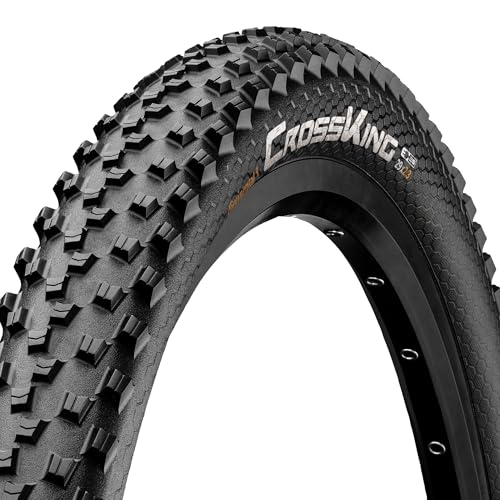
Product overview: Cross King is a versatile competition and trail tire with a comfortable, smooth rolling feel. Its tread is designed to adapt to varied terrains while maintaining grip, and PureGrip Compound contributes to grip and durability.
- Best for: Riders needing a reliable all-around tire for mixed XC to light trail use.
- Why chosen: Well-rounded performance across surfaces with good durability.
- Caution: Slightly narrower at 2.20 width; consider wider options for very loose terrain.
Buying Guide
What to consider when choosing a 26-inch tubeless tire
Traction vs. rolling efficiency: Dual compounds tend to balance grip and speed, while single compounds may emphasize either grip or speed. Choose based on terrain: loose trails benefit from more aggressive tread; smooth, hard-packed trails reward lower rolling resistance.
Recommended tread patterns by riding style
Aggressive riders: prefer larger side knobs and front-specific traction, such as Minion DHF. Enduro and steep terrain benefit from strong braking traction and squarely edged tread.
Trail riders: look for all-round tread with balanced grip and rolling speed, like Mountain King or Cross King.
XC and fast riders: prioritize low rolling resistance with consistent contact patches, such as Ikon or Race King family tires, which emphasize speed and predictable handling.
Important features to compare
- EXO protection: protects sidewalls from cuts on rocky terrain.
- Double vs single compound: dual compounds balance grip and wear; single compounds may optimize one attribute.
- Tubeless compatibility: ensure rim compatibility and sealant availability for puncture resistance and lower flats.
Measurement and fit considerations
Ensure your wheel width accommodates the tire width. For example, 2.30″ tires are common on 26″ rims, but check your bike’s clearance, fenders, and frame geometry to avoid rubbing at full compression.
Frequently Asked Questions
- What is the main advantage of tubeless MTB tires for 26-inch bikes? Tubeless tires reduce flats and allow lower air pressures for better traction without pinch flats.
- Can I mix tubeless tires in front and rear? Yes, but consider pairing front and rear tires with complementary grip and rolling characteristics for balanced handling.
- Are 2.20″ tires better for XC than 2.30″? 2.20″ tires generally roll faster and may feel lighter, but 2.30″ tires offer more grip on rough terrain.
- Do EXO sidewalls significantly improve durability? EXO provides added cut and abrasion resistance, especially on rough trails or rocky sections.
- Is PureGrip better than other compounds? PureGrip differentiates by combining grip with durability, but tread design and pressure choices also heavily influence performance.
- What width should I choose for a 26-inch MTB build? Most riders select 2.30″ for balanced grip and stability, though 2.20″ can suit lighter, faster XC setups.