Choosing the best wireless trailer brake controller improves stopping power, reduces sway, and simplifies installation across multiple vehicles. This guide highlights highly compatible, smartphone-ready models that connect via Bluetooth or plug-and-play interfaces. Each option balances ease of use with reliable braking control, whether you’re towing a light trailer or a multi-axle rig. Read on to compare standout features, install considerations, and what to look for when selecting a wireless brake controller for your tow vehicle.
Summary of selected products:
| Product | Brand | Key Advantage | Vehicle Compatibility |
|---|---|---|---|
| Echo Mobile Electric Trailer Brake Controller | CURT | Bluetooth smartphone interface, zero-tools install | 1-4 axles |
| Echo Kit | CURT | Portable, complete kit with wireless control | 1-4 axles |
| Brakeman IV Time-Delay | Reese | Time-delayed proportional braking, easy plug & play | 1-4 axles |
| Brakeman IV Time-Delay | Tekonsha | Simple setup, clear LED diagnostics | 1-4 axles |
| Prodigy iD Smart Phone Configured | Tekonsha | Smartphone control via EDGE app | 2-8 brakes |
CURT Echo Mobile Electric Trailer Brake Controller

The CURT Echo system is designed for a portable, tool-free installation that truly lives up to its “mobile” label. It plugs into any standard 7-way trailer connector and links wirelessly to a compatible smartphone. The Bluetooth pairing turns a phone into the brake controller interface via the Smart Control app, making tuning and monitoring accessible from the cab or roadside. A locking tab and strap secure the module in place, with minimal disruption to existing wiring. This approach suits drivers who swap trailers or vehicles often, as the unit can accompany you rather than stay with a single truck.
Key features include wireless smartphone integration ( Apple or Android), straightforward zero-tools install, and a non-invasive form factor that reduces installation time. Users should remember to operate adjustments while the vehicle is stationary to maintain safety. The CURT Echo supports proportional braking control, providing responsive power modulation to match the tow vehicle’s braking—helping to minimize trailer sway and maintain consistency across different load conditions. The device is designed for a broad range of trailers and is an attractive option for those seeking a modern, smartphone-first experience.
In practice, the Echo’s strongest selling points are its portability and ease of transfer between vehicles. For owners who frequently switch trucks or pursue rental trailer use, CURT’s ecosystem offers a relatively seamless adaptation, with the potential to eliminate the need for mechanical rewiring each time. As with all wireless systems, battery health and Bluetooth reliability are worth monitoring in colder climates or areas with spotty wireless coverage.
CURT Echo Kit – Echo Mobile Trailer Brake Controller

The Echo Kit expands on the basic Echo concept by providing a complete, portable solution with the same Bluetooth-smartphone integration. Designed for easy transfer across vehicles, the kit emphasizes a tool-free installation and a secure connection via a 7-way outlet. The included hardware and locking strap ensure stability once positioned, reducing the chance of loosening during operation or on rough roads. As with the standalone Echo, the kit relies on the Smart Control app to translate vehicle braking input into trailer braking output, delivering proportional braking that scales with your towing force.
The Echo Kit is well suited to drivers who regularly alternate between cars, trucks, or SUVs with towing needs. Its wireless interface minimizes the need for persistent wiring, while the 7-way plug-and-play approach keeps compatibility broad across trailers. While it offers convenience, owners should stay mindful of smartphone battery life and app compatibility with future OS updates. It’s a practical, modern choice for those who value simple installation and remote control from their mobile device.
REESE Towpower Brakeman IV Time-Delay Brake Controller

The Reese Brakeman IV is a time-delay digital brake controller designed for diverse trailer setups including 2, 4, 6, and 8 brakes across multiple axles. It emphasizes compatibility with various vehicles through a pluggable setup and a compact footprint that can be mounted above or below the dash. The device ramps braking power at a fixed rate, producing a smooth and predictable braking profile that’s suitable for both basic towing and more demanding loads. Its Plug & Play connection simplifies installation, reducing the need for specialized tools or professional installation.
This model is popular among users who prefer a straightforward, reliable, time-based braking system that works well across a spectrum of trailers. While it lacks Bluetooth or smartphone integration, its predictable behavior and broad compatibility remain appealing for those who prioritize simplicity and proven performance. For best results, ensure you have the correct wiring harness suited to your vehicle’s interface and trailer configuration.
Tekonsha Brakeman IV Time-Delay Brake Controller

The Tekonsha Brakeman IV continues the time-delay tradition with a focus on simple installation and clear diagnostics. It features a plug-and-play port for easy setup and a compact form factor suitable for installation above or below the dash. The included LED indicators provide real-time feedback on performance, including power increases and secure connections, which helps drivers monitor system status at a glance. This model is ideal for drivers seeking a reliable, no-fruss experience without needing smartphone control, yet it still delivers proportional-like behavior through controlled ramping of braking force.
With the Brakeman IV, the emphasis is on robust hardware and straightforward operation. The device is designed to be forgiving for beginners while delivering dependable performance for experienced towers. Users should verify vehicle compatibility and ensure the appropriate harness is purchased separately for a seamless installation. For those who value classic, proven braking control with simple diagnostics, the Tekonsha option remains a strong contender.
Tekonsha Primus IQ Proportional Brake Controller

The Primus IQ is a proportional brake controller designed to automatically modulate braking output based on the towing vehicle’s braking input. An integrated inertia sensor helps deliver smooth, proportional braking suitable for general use and heavier emergency braking scenarios. The unit is easy to install and stow, featuring a plug-and-play port for simple connections and a dash-mounting option that keeps the control within easy reach. A front-facing LED display provides real-time diagnostics and alerts, giving drivers a clear view of system status and performance.
Primus IQ emphasizes ease of use and reliable proportional braking across 1-3 axles. It’s well-suited for drivers who want automatic braking response without the need for smartphone control. For those who occasionally tow heavier loads, the IQ’s proportional output helps maintain consistent deceleration and reduce trailer sway. As with all proportional controllers, proper setup is essential to achieve the most accurate braking feel and ensure safe towing in varying road conditions.
Tekonsha Prodigy iD Smart Phone Configured Brake Controller
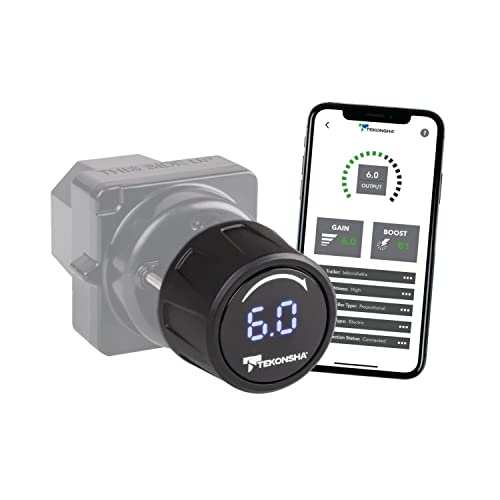
The Prodigy iD represents Tekonsha’s smartphone-enabled approach to brake control. It pairs with an iPhone or Android device via the EDGE app, allowing you to program and adjust power output, boost, braking type, and more directly from your hand. This model supports a wide range of vehicles with 2-8 brakes (1-4 axles) and uses a plug-and-play wiring harness sold separately for straightforward installation. The user-friendly LED display on the device, in conjunction with smartphone diagnostics, helps to ensure you can monitor performance and troubleshoot issues in real time.
Smartphone configurability is the key benefit here, offering detailed control and customization that can be adjusted for different trailers and loads. Pros include flexible tuning and the ability to update the braking profile as needs change. A potential drawback is reliance on a compatible smartphone and app updates, which means keeping your device and application current is important for continued compatibility and security.
Buying Guide: Key Purchase Considerations
- Compatibility and axles: Confirm the controller supports your trailer’s axle count (1-4 typically) or more, if needed.
- Control interface: Decide between Bluetooth smartphone control (modern, convenient) or traditional dash-mounted controllers (reliable, no phone needed).
- Installation style: Tool-free, plug-and-play options save time but verify wiring harness availability for your vehicle model.
- Braking type: Time-delay vs proportional braking affects responsiveness, ride quality, and trailer sway. Proportional systems adjust output continuously with your braking input.
- Diagnostics and display: Look for clear LED readouts or smartphone diagnostics to monitor system status and troubleshoot quickly.
- Wireless reliability: Bluetooth connections depend on stable device pairings and power; consider environmental factors like weather and interference.
- Portability vs permanence: Portable kits are ideal for multiple vehicles; integrated units are more permanent but may require mounting in a fixed location.
- Wiring harness availability: Some systems require vehicle-specific harnesses sold separately; budget for these when planning installation.
- Vehicle integration: Ensure compatibility with your vehicle’s electrical system and towing configuration to prevent overheating or inconsistent braking.
When selecting a wireless trailer brake controller, weigh the balance between convenience, control fidelity, and installation effort. If you tow in varied conditions across different trailers, a proportional system with smartphone configurability can provide nuanced braking control. For straightforward, dependable braking with broad vehicle compatibility, a time-delay model may offer greater predictability. Regardless of choice, proper setup and regular system checks are essential to maintain braking performance and towing safety.