Yes, these are the best options for working on radiator valves. This guide spotlights 5 sturdy, versatile wrenches designed to fit common radiator valve sizes, spuds, and related fittings. Ideal buyers include home DIYers, HVAC upkeep technicians, apartment maintenance crews, and property managers who perform regular radiator maintenance or small-scale heating repairs. The list prioritizes compatibility, build quality, and ease of use to help you pick the right tool quickly.
Before the product details, here is a quick comparison table of the chosen items to help you scan options at a glance.
| Product | Best For | Key Benefit | Size Range |
|---|---|---|---|
| JEUCLEL 1/2 Inch Drive Universal Pagoda Head | General radiator valve work | Versatile stepped sizes | 3/8″–27/32″ |
| Durst B8618 Malleable Iron | Heavy-duty spud removal | Grooved grip for spuds | 1/2″–2″ |
| Thrifco 5110047 1/2 in. to 2 in. | Multi-size spud installation | Tiered stepped design | 1/2″–2″ |
| YOUSEMOT 1/2 Wrench Carbon Steel Pagoda Head | Valve trails and lugs | Durable carbon steel | 1/2″ |
| CHENATING Carbon Steel Head Valves Joint Tool | Stepped radiators spuds | Durable steel, easy use | 2 wrench mount |
JEUCLEL 1/2 Inch Drive Universal Pagoda Head Valves
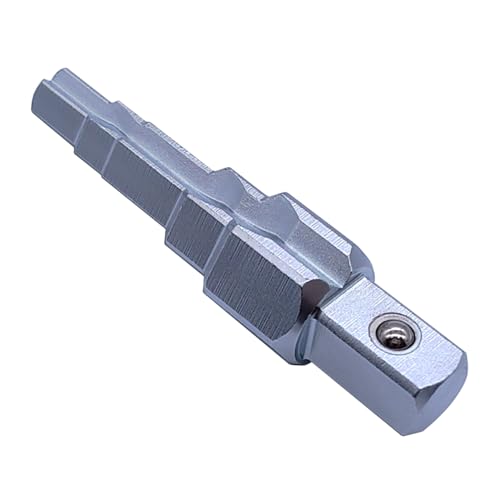
The JEUCLEL tool is designed to tighten or loosen radiator valve fittings within a stepped size range. Best for DIYers who need a compact tool capable of handling multiple radiator valves, plugs, and related connections. The 1/2 inch drive can be used with standard ratchets and adapters, increasing its compatibility with common workshop setups. A limitation is that the stepped sizes may require careful alignment on odd-sized spuds to avoid slippage.
Durst B8618 Malleable Iron Radiator Spud Wrench

The Durst spud wrench excels at removing steam radiator spuds and works with radiators spanning roughly 1/2″ to 2″ valve sizes. Built with heavy-duty zinc construction and grooves along the side to grip spud interiors, it provides secure engagement. Best for professionals and serious DIYers who encounter larger spuds or need robust leverage. A potential drawback is its heavier build, which may be less convenient for prolonged handheld use.
Thrifco 5110047 1/2 in. to 2 in. Radiator Valve Spud Wrench

Thrifco’s spud wrench provides multi-size compatibility in a single tool, designed for 1/2″ to 2″ spuds. The tiered design helps match various spud sizes during installation or removal, and the internal fit reduces the risk of damage. Choose this if you need a versatile, all-in-one spud solution. A limitation is that some users may prefer separate tools for specific spud sizes to minimize play in the handle.
YOUSEMOT 1/2 Wrench Carbon Steel Pagoda Head Valves

Made from carbon steel for high strength and durability, this YOUSEMOT wrench targets radiator valve trails and lugs. It fits tank connectors and nipples, offering a reliable option for routine maintenance. Best for general-purpose radiator work where a balance of strength and affordability matters. A caution is that users should ensure precise alignment with small valve nubs to avoid slipping under load.
CHENATING Carbon Steel Head Valves Joint Tool

The CHENATING stepped radiators wrench mounts onto two wrenches for efficient spud engagement. Made of durable carbon steel, it offers straightforward operation for disassembly and reassembly tasks. Best for budget-conscious buyers who still want a stepped, two-wrench-compatible tool. A potential limitation is that the description lacks specific size ranges, so verify compatibility with your radiator spuds before purchase.
Buying Guide: How To Choose The Right Radiator Valve Wrench
What size range do you typically encounter? Choose a wrench with stepped sizes that cover your most common valve and spud sizes to minimize swaps during a job. If you frequently service large radiators, a wider 1/2″–2″ range is advantageous.
Is durability or weight a priority? For frequent use or professional settings, prioritize carbon steel or malleable iron with reinforced handles. Heavier tools provide more leverage but can cause fatigue on long projects.
What connection type do you rely on? Ensure compatibility with your ratchet or power tool ecosystem. A 1/2 inch drive can be a common standard for many workshops and can simplify tool setups.
Likely tasks and environment. For removing stubborn spuds or handling grooved spud interiors, look for tools with grooved grips and secure interior engagement. For quick, light-duty maintenance, a compact pagoda-head design can save time.
Budget and availability. If your shop needs a versatile, all-in-one spud solution, consider tiered or two-wrench designs. For occasional home repairs, a single, durable tool may suffice and reduce clutter.
Frequently Asked Questions
- What is a radiator spud wrench used for? It removes and installs radiator valve spuds and related fittings. It helps disengage or secure valve components without damaging the valve body.
- What should I look for in a valve wrench? Look for compatibility with common sizes (1/2″, 3/8″ etc.), a durable material (carbon steel or malleable iron), and whether the tool works with your ratchet or power tools.
- Are stepped wrenches better than fixed-size wrenches? Stepped wrenches cover multiple sizes in one tool, which reduces tool swaps and speeds up work, especially on varied radiators.
- Can I use these wrenches on non-radiator applications? Yes, many are versatile for other plumbing joints, plugs, and tank connections, but check the size range to avoid over-torquing.
- Is a heavier wrench always better? Not always. Heavier wrenches provide leverage but may cause fatigue. Choose a weight that balances leverage with comfortable handling for your typical tasks.
- Do these tools include any warranty? Product listings generally note the material and design; warranty specifics vary by seller and brand. Check the Amazon listing for terms.