Choosing the right 20W-50 motorcycle oil can protect high-compression, air-cooled engines and clutch systems. This guide highlights top-rated synthetic and racing-grade options commonly used in American motorcycles, including V-twins and performance builds. Each product is evaluated for viscosity stability, wear protection, clutch compatibility, and overall engine cleanliness. The list below features five well-regarded choices, with quick reference details to help you compare performance and value at a glance.
Summary Of Chosen Products
| Product | Brand | Key Benefits | Typical Use |
|---|---|---|---|
| Mobil 1 96936 20W-50 V-Twin Synthetic Motocycle Oil | Mobil | Synthetic formulation; V-twin compatibility; strong film strength | V-twin and performance air-cooled engines |
| Lucas Oil 10702 SAE 20W-50 Synthetic Motorcycle Oil | Lucas Oil | Longer oil life; meets multiple standards; cooler operation | General sport and touring bikes |
| Valvoline VR1 Racing SAE 20W-50 Motor Oil | Valvoline | High zinc; extreme wear protection; high RPM performance | Racing and high-performance engines |
| Castrol Power1 V-Twin 20W-50 Full Synthetic | Castrol | Trizone protection; race-derived acceleration | V-twin engines needing strong all-around performance |
| Valvoline 4-Stroke Motorcycle 20W-50 1 Qt | Valvoline | Clutch-friendly; deposit control; durability | 4-stroke motorcycles requiring robust protection |
Mobil 1 20W-50 V-Twin Synthetic Oil

Mobil’s V-Twin synthetic blend is designed for air-cooled engines and high-load conditions. The formulation aims to deliver stable viscosity, robust film strength, and protection for gearboxes or clutches in performance bikes. Standard specifications focus on reliability across American V-twin platforms.
Lucas Oil 10702 SAE 20W-50 Synthetic Motorcycle Oil
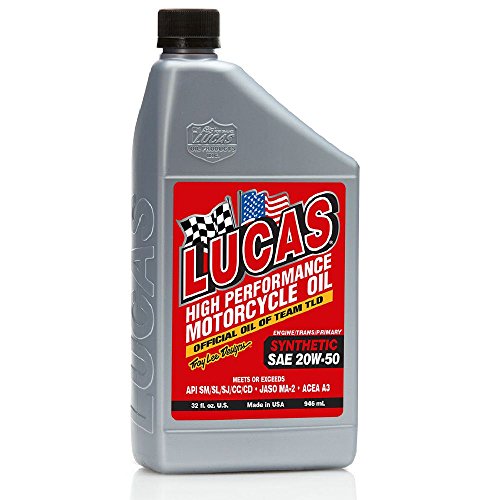
Lucas Oil 10702 emphasizes longer oil life and broad compatibility with API, JASO, and ACEA standards. Designed to reduce heat and maintain lubrication in variable ride conditions, this option suits riders seeking solid all-around performance and compatibility with older and newer engines alike.
Lucas Oil 10700 High Performance 20W-50
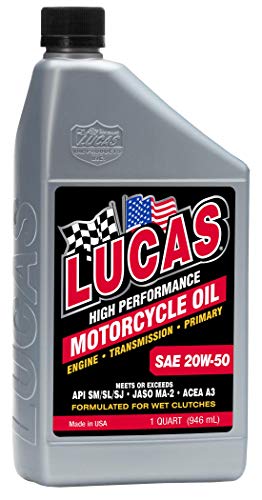
This high-performance Lucas Oil variant is packaged for durability and performance, with emphasis on keeping engines clean and protected under demanding conditions. The product’s US origin and packaging specs underline reliability for enthusiasts and daily riders alike.
Valvoline VR1 Racing 20W-50

Valvoline VR1 Racing 20W-50 is tuned for performance engines, offering advanced zinc content for wear protection, and friction modifiers to sustain horsepower and torque at high RPMs. This oil is designed for racing and high-performance street bikes needing strong endurance under load.
Valvoline 4-Stroke 20W-50, 1 Qt

Valvoline 4-Stroke 20W-50 focuses on cleaning additives and dispersants to curb deposit buildup, with shear-stable viscosity to resist breakdown. It’s designed to maintain a clean engine environment and protect moving parts across a range of street bikes.
Valvoline 4-Stroke Motorcycle 20W-50, 1 Qt

This Valvoline option emphasizes durability and horsepower support while protecting critical engine parts from wear and harmful deposits. It’s suitable for riders seeking consistent performance and reliability in daily and sport riding.
Buying Guide: Key Purchase Considerations
When selecting the best 20W-50 oil for a motorcycle, consider engine design, climate, and riding style. Synthetic formulations generally provide better high-temperature stability and protection for hot-running air-cooled engines. Racing-oriented blends often include higher zinc and friction modifiers for clutch protection in sports bikes, but may be less forgiving for some belt-driven or older systems. If your bike has a wet clutch, confirm compatibility to prevent clutch slip. Check API, JASO, and ACEA certifications to ensure the oil meets your engine’s specifications. Finally, consider oil change intervals, and whether a 6-pack or single bottle is most cost-effective for your maintenance routine.
Considerations By Engine Type
- V-Twin and air-cooled engines: Prioritize film strength and clutch compatibility to maintain smooth shifting under heat.
- Sport and racing setups: Look for higher zinc content and shear stability to minimize wear at high RPMs.
- Older engines: Favor oils with proven deposit control and compatibility with legacy seals and materials.
Viscosity And Additives
20W-50 denotes viscosity at cold startup and hot operating temperature. In hotter climates or during extended rides, the thicker oil helps maintain lubrication. Additives like detergents, friction modifiers, and anti-wear agents influence engine cleanliness, clutch feel, and overall durability. Consider oils with a balance of detergents and anti-wear packages for robust performance across seasons.
Oil Change Frequency
Riders should follow manufacturer recommendations and consider riding style. Synthetic oils often offer longer service intervals, but always inspect oil color and level regularly. Tracking miles and maintenance history helps decide when to change oil and filter to sustain engine protection.
Conclusion: Performance-Oriented Options
The five selected oils provide a spectrum of performance, compatibility, and value for riders seeking reliable 20W-50 options. Whether prioritizing all-around reliability, racing-grade protection, or clutch-conscious performance, each product listed above offers tangible benefits aligned with typical American motorcycles and riding styles.
Additional Notes for Buyers
To maximize engine longevity, pair oil choices with appropriate filters, follow correct oil capacities, and maintain proper storage. For riders with unique builds or custom engines, consult the manufacturer’s guidance to ensure the chosen oil aligns with specific tolerances and seals.