Looking for reliable ways to power devices from your vehicle’s 12V socket? This guide highlights five top car power products designed to adapt a cigarette lighter socket for USB charging, laptop use, or other 12V accessories. These picks are best for road trip tech users, fleet drivers, and DIY enthusiasts who want portable, simple power options. Below is a quick summary table of the selected products to help you compare at a glance.
| Product | Best For | Key Benefit |
|---|---|---|
| PiSFAU 200W Car Power Inverter | Laptops & multi-device charging | 2 AC outlets + 4 USB ports, compact design |
| WYMECT USB A to 12V Car Socket Converter | Low-power USB-to-12V needs | USB to 12V output, compact |
| NALAKUVARA AC to DC Converter 60W | Home-to-car power conversion | 110V-240V AC to 12V DC, long cord |
| defomery SAE Cigarette Lighter Adapter Cable | Temporary or portable extension | SaE to cigarette lighter extension, flexible |
| Suacopzar 120W Power Adapter | House-to-car versatility | AC to 12V 10A, long cord, wide compatibility |
PiSFAU 200W Car Power Inverter

The PiSFAU car power inverter converts 12V DC from a cigarette lighter socket into 110V AC, featuring two standard outlets and multiple USB ports. It is well-suited for drivers who need to charge laptops, tablets, or phones while on the road, as well as for use with light strings or other small devices. Best for travelers and professionals who require a compact, all-in-one charging solution.
Why chosen: It combines AC outlets and USB charging in a compact form, enabling easier access to power without multiple adapters. The built-in cooling helps reduce heat during use. Caution: High-wattage devices should be used within the rated 200W to avoid overloading the inverter.
WYMECT USB A Male to 12V Car Socket Converter
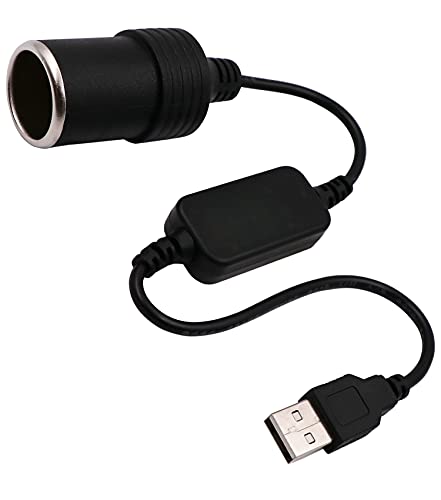
This converter takes USB power and outputs 12V to a cigarette lighter socket. It is best for low-power devices or accessories that require a 12V socket from a USB source. It’s ideal for travelers who want to power small electronics via USB power or a temporary 12V outlet without a full inverter.
Best for: low-power devices and simple power boosts. Limitation: It cannot run high-power appliances like air compressors or large coolers; check device power before use.
NALAKUVARA AC to DC 60W Car Converter
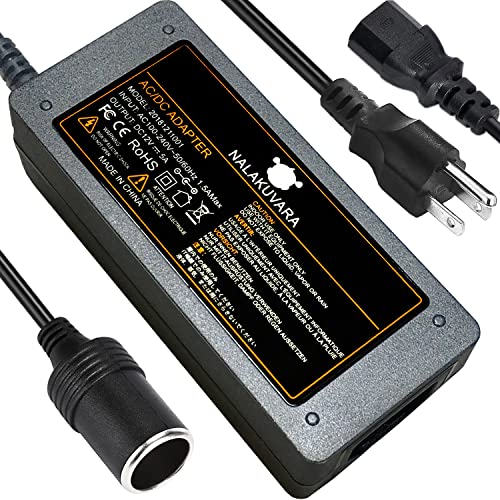
This adapter converts 110–240V AC from wall outlets to 12V DC to power car devices under 60W. It includes a long cord for reach and various protections against over-load, short circuits, and over-voltage. Best for stationary use or when you need 12V power in a workshop or garage setup.
Best for: devices under 60W and when you’re near a wall outlet. Caution: Should not be used for high-wattage equipment beyond its 60W rating.
defomery SAE Cigarette Lighter Socket Extension

This SAE to cigarette lighter extension provides a compact 0.3m connection. It’s best for temporary setups or when you need more flexibility routing a 12V socket to a convenient location in a vehicle. It’s a simple, portable option for on-the-go charging or device power.
Choose this if you want a lightweight, easy-to-transport extension. Limitation: It adds extra connectors that may add small resistance; ensure secure connections to prevent intermittent power.
Suacopzar 12V 10A Car Power Adapter

This adapter converts 100–240V AC to 12V DC at up to 10A, offering a versatile option for powering car devices at home or away from the vehicle. It includes a long 8.3-foot cord to maximize reach and usability across different settings. Best for devices under 120W and users who want home-style power in a car context.
Better for: higher-wattage car gadgets within its 120W range. Limitation: It’s not suitable for devices exceeding 120W peak power.
Buying Guide
What to consider when choosing a cigarette lighter socket to plug setup:
- Power needs: Assess the wattage rating of your devices. If you’ll run laptops or multiple devices, a high-watt inverter (like the 200W PiSFAU) is often the best choice.
- Output type: Decide between AC outlets, DC 12V sockets, or USB charging. Inverters provide AC power; USB adapters are simpler for phones and small accessories.
- Portability and size: For frequent travelers, a compact unit that fits in a glove compartment is convenient.
- Protection features: Look for over-load, short-circuit, and thermal protection to protect both devices and vehicle wiring.
- Cable length and reach: Longer cords help in workshops or larger vehicles where outlets are not easily accessible.
- Ease of use: Simple plug-and-play with minimal setup is preferable for in-car use.
Frequently Asked Questions
- What is the difference between an inverter and a car charger?
Ans: An inverter converts 12V DC from your car to 110V AC for devices like laptops; a car charger typically provides 12V to USB power or other smaller devices. - Can I run a laptop from a car outlet?
Ans: Yes, but ensure the inverter’s wattage rating exceeds the laptop’s consumption and matches the outlet’s capacity. - Is it safe to use high-wattage devices in an inverter?
Ans: Only if the total wattage stays within the inverter’s rating and the vehicle’s electrical system can support the load. - Do USB-to-12V adapters work with all devices?
Ans: Not all devices are compatible; check device power requirements and USB port specifications before use. - What should I do if the device doesn’t power on?
Ans: Verify power requirements, check connections, and ensure protective features are not tripping due to overload or short circuits.