Answer: For reliable DIY OBD II projects, use a mix of male, female, and splitter 16-pin connectors that fit most vehicles. The best options cover flexible DIY wiring, under-dash installations, and multi-tool setups. Ideal buyers include hobbyist mechanics, fleet maintenance operators, and electronics hobbyists building diagnostic extensions. Below you’ll find five top choices with clear use cases and practical limits.
| Product | Best For |
|---|---|
| LAINLOY 16 Pins J1962 OBD OBD-II Male Connector | Best for DIY cable extensions and universal 16-pin DIY projects |
| iKKEGOL 16 Pin J1962 OBD2 Male Connector to Open Wire (60cm) | Better for longer DIY runs and flexible installation |
| OLLGEN 16 Pin OBD Female Replacement Wire Sockets | Best for under-dash female port replacements |
| Tuxihapp OBD OBDII J1962 16 Pins Male Connector | Best all-around DIY cable with robust insulation and flexibility |
| iKKEGOL OBD2 OBD II Full 16 Pin Splitter Y Cable | Best for adding multiple devices at once |
Introduction: This guide presents five relevant 16-pin OBD/OBD-II connectors. Each entry includes who it’s best for, why it stands out, and any practical limitations. Use these options to assemble or extend diagnostic setups, repair cables, or add temporary testing points during vehicle maintenance or fleet diagnostics.
LAINLOY 16 Pins J1962 OBD OBD-II Male Connector

The connector uses a 30 centimeter (12 inch) tail, with PVC and copper components for durability. It includes standard 16-pin and 16-core wiring that supports color-coding for different applications. Best for: DIY enthusiasts who need a reliable extension for most 12V vehicles and some trucks. Limitation: Not all vehicles or OBD devices may require colorized wiring; plan for wire management in tight spaces.
iKKEGOL 16 Pin J1962 OBD2 Male Connector to Open Wire

Features 16-pin J1962 male plug with all pins exposed and color-coded wires for different applications. The 60 cm/24 inch length supports longer runs and easier routing in vehicles with tighter engine bays. Best for: DIY projects requiring more reach or multi-tool setups. Limitation: Longer cable length can introduce more signal noise if not properly shielded.
OLLGEN 16 Pin OBD Female Replacement Wire Sockets

Designed as a female replacement wire socket kit, compatible with under-dash installations. It uses standard male terminals and aims to meet J1962 specifications. Best for: Users replacing worn or damaged female OBD ports in vehicles, especially under-dash setups. Limitation: Requires compatible male counterpart and proper crimping or soldering for a secure connection.
LAINLOY 16 Pins OBD Female Connector

The female counterpart to the LAINLOY male connector, featuring similar flame-retardant insulation and 30 cm cable length for convenient DIY wiring. Best for: Those building or upgrading a female OBD port extension in the vehicle. Limitation: The female port may require additional housing or mounting hardware for under-dash installs.
Tuxihapp OBD OBDII J1962 16 Pins Male Connector
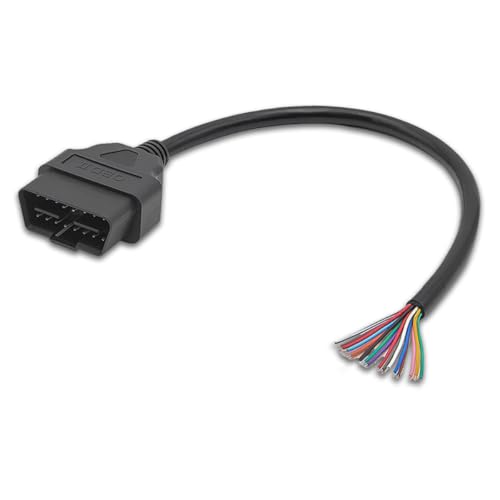
High-quality PVC and copper, flame-retardant insulation, and a 30 cm length for flexible DIY operations. It follows standard 16-pin and 16-core specs and is suitable for a wide range of 12V vehicles. Best for: DIY installers seeking a robust, versatile male connector. Limitation: As with many DIY connectors, cable management is essential to avoid interference in dense engine compartments.
iKKEGOL OBD2 Full 16 Pin Splitter Y Cable

This Y splitter provides 1 male to 2 female connections, enabling simultaneous use of a diagnostic device and a tuner or programming tool. It’s a good fit for hidden under-dash installations and fleets that require multiple devices. Best for: Mechanics needing parallel diagnostics or limited dash space. Limitation: The added connectors may complicate cable routing and increase the number of potential connection points.
Buying Guide
What should I look for when choosing an OBD II 16-pin connector?
- Connector type: Decide between male, female, or splitter based on your existing harness and planned setup.
- Cable length: Longer cables provide flexibility but may add resistance or routing challenges; measure your install path first.
- Material and build: PVC insulation with copper conductors improves durability and current handling in typical vehicle environments.
- Compatibility: Ensure the connector adheres to J1962/OBD-II specifications and matches your vehicle and diagnostic tools.
- Color coding: Wires colored differently help you keep track of signal lines during DIY projects.
- Installation method: Consider whether you’ll mount under the dash or route the cable externally, and plan for protective housing if needed.
Practical tips for choosing and using 16-pin OBD connectors
- For long runs inside a vehicle, choose longer cables with flexible jackets to minimize wear.
- When adding multiple devices, a splitter can simplify connections, but keep cable management tidy to avoid interference.
- Always verify pin alignment before mating connectors to avoid bent pins or miswiring.
FAQ
- What does J1962 refer to?
J1962 is the standard for the 16-pin OBD-II diagnostic connector used in most light-duty vehicles. - Can these cables be used with all OBD devices?
They are designed for standard OBD-II tools, but always confirm compatibility with your specific device. - Is a longer cable always better for DIY projects?
Not necessarily; longer runs can introduce signal loss or physical routing challenges in tight spaces. - Do I need special tools to install these connectors?
Basic hand tools for crimping or soldering may be required for a secure, long-lasting connection. - Should I use a splitter for all diagnostic setups?
Splitters are helpful for simultaneous devices, but ensure adequate power and signal integrity for all tools. - Are these connectors flame-retardant?
Many use flame-retardant insulation materials for safety and longevity in automotive environments.